Concept 33: Cognition Giddens: Concepts for Nursing Practice, 3rd Edition
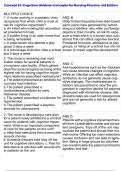
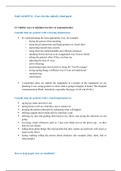
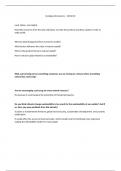
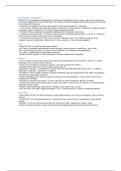
1. A nurse working in a pediatric clinic recognizes that which child is most at risk for cognitive impairment? a. An infant who is being fed reconstitut- ed powdered formula b. A toddler living in an older home that is being remodeled c. A preschooler who attends a play group 3 days a week d. A school-age child who rides a school bus 5 days a week 2. The nurse is reviewing new med- ication orders for several patients in a long-term care facility. Which patient does the nurse recognize as being at the highest risk for having cognitive impair- ment related to prescribed medications? a.The patient prescribed an antibiotic for a urinary tract infection b.The patient prescribed a cholinesterase inhibitor for early Alzheimer disease c. The patient prescribed a N-blocker for hypertension d. The patient prescribed a bisphos- phonate for osteoporosis 3. The nurse is developing a care plan for a patient newly admitted to a unit that cares for patients with cognitive impair- ment. What is an important component of care for the patients on this unit? a.Allow food selections from a menu with several choices. b. Schedule frequent field trips off the unit for cognitive stimulation. c. Plan for attendance at activities with several oth- er patients on the unit. ANS: B Older homes frequently have lead-based paint; paint chips generated by remod- eling put toddlers, who often put foreign objects in their mouths, at risk for expo- sure to lead which is a known toxic sub- stance that can affect cognitive function. Powdered formulas, attendance at play groups, or riding on a school bus are not known to impair cognitive development ANS: C Anti-hypertensives such as the -blockers can cause adverse changes in cognition. While an infection can affect cognition, antibiotics do not generally cause cog- nitive changes. The cholinesterase in- hibitors are prescribed to slow the pro- gression in cognitive decline for patients diagnosed with Alzheimer disease. Bis- phosphonates are used for osteoporosis and are not generally a risk for altered cognition
Escuela, estudio y materia
- Institución
- Nursing Practice
- Grado
- Nursing Practice
Información del documento
- Subido en
- 1 de septiembre de 2023
- Número de páginas
- 4
- Escrito en
- 2023/2024
- Tipo
- Examen
- Contiene
- Preguntas y respuestas
Temas
- nursing practice
- concept 33
- cognition giddens
- giddens
- giddens for nursing
-
concept 33 cognition giddens concepts for nursin
-
giddens concepts for nursing practice
-
giddens concepts for nursing practice

Documento también disponible en un lote