
Unit 8: Physiology of human body systems
The lymphatic system
Task 1
The lymphatic system is part of the body's immune system that helps the process of protection from
infections and inflammations. The lymphatic system has 4 main functions, which consist of formation
and transport of lymphocytes and lymph, removal of interstitial fluid from tissues, maintenance of
hydrostatic pressure, and absorption of fats from the digestive system.
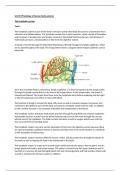
A lymph is formed through the interstitial fluid being collected through tiny lymph capillaries, which
are located throughout the body. The image below shows a diagram where lymph capillaries can be
observed:
[1]
Once the interstitial fluid is collected by lymph capillaries, it is then transported to the lymph nodes
through the lymph vessels that can be seen in the image above. In the lymph nodes, the lymph is
cleaned and filtered. The lymph then flows onto the lymphatic ducts before emptying into the right
or the left subclavian vein where it mixes with blood.
The function of lymph is to keep the body cells moist as well as transport oxygen, hormones, and
nutrients to the different parts of the body and remove metabolic waste from the cells. In addition
to this, another function is to transport antibodies and lymphocytes to the blood.
The lymphatic system maintains hydrostatic pressure through forcing fluids out of blood capillaries.
Hydrostatic pressure results from the blood being forced out from the heart through the narrow
arterial area of the capillaries. The fluid contains nutrients as well as oxygen which move into the
less concentrated surrounding tissue.
The lymphatic system can carry out the absorption of fats from the digestive system because there
are special lymphatic capillaries known as lacteals and they exist in the small intestine to contribute
to the absorption of dietary fats.
The lymphatic system connects different vessels, nodes, and ducts that flow through the tissues to
the body as well as helping the fluid to be maintained in the body.
The lymphatic system is made up of several organs which include the spleen, thymus gland, tonsils,
lymph glands and nodes, and lymph vessels. The spleen is found in the left upper abdomen and its
function is to process old and damaged blood cells and microorganisms and help produce blood cells
as well as maintain the immune system in children.

