Notes for Psychopathology
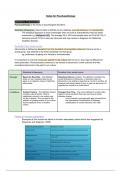
Definitions of abnormality
Psychopathology is the study of psychological disorders.
Statistical infrequency - Abnormality is defined as any relatively unusual behaviour or characteristic.
- The statistical approach is more meaningful when we look at characteristics that are easily
measured e.g. intelligence (IQ). The average IQ is 100 (most people have an IQ of 85-115). If
someone scored 70 this is seen as abnormal and may receive a diagnosis of intellectual
disability disorder.
-
Deviation from social norms
Abnormality is defined as deviation from the standards of acceptable behaviour that are set by a
social group, and adhered to by those socialised into that group.
- eg. politeness, laughing at a funeral or homosexuality
It is important to note that norms are specific to the culture that we live in, they may be different for
each generation. Homosexuality continues to be viewed as abnormal in some cultures and was
considered abnormal in the past in our culture.
Statistical infrequency Deviation from social norms
Strength Based On Real Data - The definition Situational Norms (context)- The definition considers the
relies on real, unbiased data and so social dimensions of behaviour; a behaviour seen as
again is an objective means of defining abnormal in one setting is regarded as normal in another, for
abnormality. instance while being naked in town is seen as abnormal; it's
regarded as normal on a nudist beach.
Limitations Cultural Factors - The definition doesn’t Changes Over Time - The norms defined by society often
consider cultural factors. What is relate to moral standards that vary over time as social
statistically normal in one culture may attitudes change.
not be in another. This can lead to the - As an example, homosexuality was removed from
problem of judging people of one culture the International Classification of Diseases
by the statistical norms of another classification of mental disorders until 1990.
culture.
Failure to function adequately
- Examples of this include the failure to function adequately criteria which was suggested by
Rosenhan and Seligman (1989)
, The ideal mental health
Abnormality is defined in terms of mental health, (behaviours that are associated with happiness and
competence) the failure to meet the criteria for perfect psychological well-being would suggest
abnormality.
Failure to function Deviation from ideal mental health
Strength Checklist - The definition provides a practical Very comprehensive- It covers a broad range of
checklist individuals can use to assess their criteria.
level of abnormality. (includes subjective experience
of the individual) Seek help - it can help people to seek out
treatment- e.g. counselling to help improve their
mental health.
Limitation Normal Abnormality - There are times in people’s Labelling- we may just be labelling a person
lives when it is normal to suffer distress, like when because they aren’t functioning or they deviate from
loved ones die. Grieving is psychologically healthy to what is ideal. This label might affect them for the
overcome loss. The definition doesn’t consider this. rest of their lives e.g job, college future
relationships.
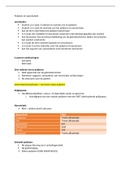
Phobias
A group of mental disorders characterised by high levels of irrational fearful anxiety in
response to a particular stimulus or group of stimuli. The anxiety interferes with normal living.
Types of phobia
Specific phobia
- Arachnophobia
- Aerophobia
- Claustrophobia
Agoraphobia
- Over-anxious in certain situations
Social phobia
- The fear of leaving home or a safe space you are comfortable with
- Performance phobia (performing in public)
Definitions of abnormality
Psychopathology is the study of psychological disorders.
Statistical infrequency - Abnormality is defined as any relatively unusual behaviour or characteristic.
- The statistical approach is more meaningful when we look at characteristics that are easily
measured e.g. intelligence (IQ). The average IQ is 100 (most people have an IQ of 85-115). If
someone scored 70 this is seen as abnormal and may receive a diagnosis of intellectual
disability disorder.
-
Deviation from social norms
Abnormality is defined as deviation from the standards of acceptable behaviour that are set by a
social group, and adhered to by those socialised into that group.
- eg. politeness, laughing at a funeral or homosexuality
It is important to note that norms are specific to the culture that we live in, they may be different for
each generation. Homosexuality continues to be viewed as abnormal in some cultures and was
considered abnormal in the past in our culture.
Statistical infrequency Deviation from social norms
Strength Based On Real Data - The definition Situational Norms (context)- The definition considers the
relies on real, unbiased data and so social dimensions of behaviour; a behaviour seen as
again is an objective means of defining abnormal in one setting is regarded as normal in another, for
abnormality. instance while being naked in town is seen as abnormal; it's
regarded as normal on a nudist beach.
Limitations Cultural Factors - The definition doesn’t Changes Over Time - The norms defined by society often
consider cultural factors. What is relate to moral standards that vary over time as social
statistically normal in one culture may attitudes change.
not be in another. This can lead to the - As an example, homosexuality was removed from
problem of judging people of one culture the International Classification of Diseases
by the statistical norms of another classification of mental disorders until 1990.
culture.
Failure to function adequately
- Examples of this include the failure to function adequately criteria which was suggested by
Rosenhan and Seligman (1989)
, The ideal mental health
Abnormality is defined in terms of mental health, (behaviours that are associated with happiness and
competence) the failure to meet the criteria for perfect psychological well-being would suggest
abnormality.
Failure to function Deviation from ideal mental health
Strength Checklist - The definition provides a practical Very comprehensive- It covers a broad range of
checklist individuals can use to assess their criteria.
level of abnormality. (includes subjective experience
of the individual) Seek help - it can help people to seek out
treatment- e.g. counselling to help improve their
mental health.
Limitation Normal Abnormality - There are times in people’s Labelling- we may just be labelling a person
lives when it is normal to suffer distress, like when because they aren’t functioning or they deviate from
loved ones die. Grieving is psychologically healthy to what is ideal. This label might affect them for the
overcome loss. The definition doesn’t consider this. rest of their lives e.g job, college future
relationships.
Phobias
A group of mental disorders characterised by high levels of irrational fearful anxiety in
response to a particular stimulus or group of stimuli. The anxiety interferes with normal living.
Types of phobia
Specific phobia
- Arachnophobia
- Aerophobia
- Claustrophobia
Agoraphobia
- Over-anxious in certain situations
Social phobia
- The fear of leaving home or a safe space you are comfortable with
- Performance phobia (performing in public)