Phobias
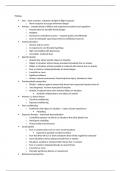
Fear – basic emotion, activation of fight-or-flight response
o Alarm response to escape imminent danger
Anxiety – complex blend of diffuse and unpleasant emotions and cognitions
o Prepare/plan for possible threat/danger
o Adaptive
o Favoured in evolutionary sense – respond quickly and efficiently
o Learn to anticipate upcoming events by mobilizing resources
Anxiety disorders
o Chronic and/or severe
o In response to non-threatening things
o High comorbidity with depression
o Unrealistic, irrational fears
Specific phobia
o Anxiety/fear about specific object or situation
o Object or situation almost always provoked immediate fear or anxiety
o Object or situation actively avoided or endured with intense fear or anxiety
o Fear or anxiety is disproportionate to actual danger
o 6 months or more
o Significant distress
o Animal, natural environment, blood-injection-injury, situational, other
Psychoanalytic perspective
o Phobia – defence against anxiety that stems from repressed impulses from id
o ‘too dangerous’ to know repressed id impulse
o Anxiety is replaced onto some external object or situation
Symbolic relationship to real object of anxiety
Mowrer’s 2 factor theory
o Classical conditioning
o Operant conditioning
Fear conditioning
o Familiarity with object or situation – nature of past experiences
Modelling
Exposure therapy – systematic desensitization
o Controlled exposure to stimuli or situations that elicit phobic fear
o Participant modelling
o Virtual reality environments
Social phobia
o Fear or anxiety about one or more social situations
Exposed to possible scrutiny by others
o Fear that they will act or show symptoms that will be negatively evaluated
o Social situations almost always provoke fear or anxiety
o Situations avoided or endured with intense fear or anxiety
o Fear or anxiety is disproportionate to actual threat
o 6 months or more
o Clinically significant distress or impairment
Behavioural perspective
Fear – basic emotion, activation of fight-or-flight response
o Alarm response to escape imminent danger
Anxiety – complex blend of diffuse and unpleasant emotions and cognitions
o Prepare/plan for possible threat/danger
o Adaptive
o Favoured in evolutionary sense – respond quickly and efficiently
o Learn to anticipate upcoming events by mobilizing resources
Anxiety disorders
o Chronic and/or severe
o In response to non-threatening things
o High comorbidity with depression
o Unrealistic, irrational fears
Specific phobia
o Anxiety/fear about specific object or situation
o Object or situation almost always provoked immediate fear or anxiety
o Object or situation actively avoided or endured with intense fear or anxiety
o Fear or anxiety is disproportionate to actual danger
o 6 months or more
o Significant distress
o Animal, natural environment, blood-injection-injury, situational, other
Psychoanalytic perspective
o Phobia – defence against anxiety that stems from repressed impulses from id
o ‘too dangerous’ to know repressed id impulse
o Anxiety is replaced onto some external object or situation
Symbolic relationship to real object of anxiety
Mowrer’s 2 factor theory
o Classical conditioning
o Operant conditioning
Fear conditioning
o Familiarity with object or situation – nature of past experiences
Modelling
Exposure therapy – systematic desensitization
o Controlled exposure to stimuli or situations that elicit phobic fear
o Participant modelling
o Virtual reality environments
Social phobia
o Fear or anxiety about one or more social situations
Exposed to possible scrutiny by others
o Fear that they will act or show symptoms that will be negatively evaluated
o Social situations almost always provoke fear or anxiety
o Situations avoided or endured with intense fear or anxiety
o Fear or anxiety is disproportionate to actual threat
o 6 months or more
o Clinically significant distress or impairment
Behavioural perspective