AC1.3 Explain how evidence is processed
(6 marks)
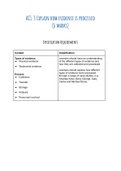
Specification Requirements
Content Amplification
Types of evidence Learners should have an understanding
● Physical evidence of the different types of evidence and
how they are collected and processed.
● Testimonial evidence
Learners should explore how different
types of evidence were processed
Process
through a range of case studies, e.g.
● Collection
Amanda Knox, Barry George, Sally
● Transfer Clarke and Michael Stone.
● Storage
● Analysis
● Personnel involved
, Testimonial Evidence: Testimonial evidence: includes statements or
spoken words of anyone involved in the criminal case.
Collection: To begin with, victims and witnesses give statements to police
officers that outlines what happened during the crime.
Afterwards detectives will question witnesses, victims and
suspects in formal interviews in order to collect information.
Cognitive interview tech I will be used by detectives in order to
increase the quality of testimonial evidence.
Transfer: Verbal statements that are taken or questions that are verbally
answered during questioning are testimonies transferred to a
digital file. The file could be a transcript, audio recording or a
statement on paper. In a trial, all digital files and testimonial
evidence is transferred to the prosecution and defence crews.
Storage: All testimonial evidence gathered such as: audio recording,
written statements and transcripts are stored on the police
national database and can only be accessed by those
authorised.
Analysis: Detectives will assess the validity of all testimonies by using
different evidence to cross reference e.g an alibi with CCTV. In
a trial the prosecution and defence barristers will assess the
validity of anyone who is asked to give a testimony by cross
examination and questions.
Application: With the 1st trial of Damilola Taylor the testimony given by the
witness didn’t pass the cross examination so the witness who
was 15 was considered unreliable.
1
(6 marks)
Specification Requirements
Content Amplification
Types of evidence Learners should have an understanding
● Physical evidence of the different types of evidence and
how they are collected and processed.
● Testimonial evidence
Learners should explore how different
types of evidence were processed
Process
through a range of case studies, e.g.
● Collection
Amanda Knox, Barry George, Sally
● Transfer Clarke and Michael Stone.
● Storage
● Analysis
● Personnel involved
, Testimonial Evidence: Testimonial evidence: includes statements or
spoken words of anyone involved in the criminal case.
Collection: To begin with, victims and witnesses give statements to police
officers that outlines what happened during the crime.
Afterwards detectives will question witnesses, victims and
suspects in formal interviews in order to collect information.
Cognitive interview tech I will be used by detectives in order to
increase the quality of testimonial evidence.
Transfer: Verbal statements that are taken or questions that are verbally
answered during questioning are testimonies transferred to a
digital file. The file could be a transcript, audio recording or a
statement on paper. In a trial, all digital files and testimonial
evidence is transferred to the prosecution and defence crews.
Storage: All testimonial evidence gathered such as: audio recording,
written statements and transcripts are stored on the police
national database and can only be accessed by those
authorised.
Analysis: Detectives will assess the validity of all testimonies by using
different evidence to cross reference e.g an alibi with CCTV. In
a trial the prosecution and defence barristers will assess the
validity of anyone who is asked to give a testimony by cross
examination and questions.
Application: With the 1st trial of Damilola Taylor the testimony given by the
witness didn’t pass the cross examination so the witness who
was 15 was considered unreliable.
1