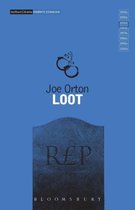
In light of the comment that Orton’s bad taste was calculated in his writing of the play ‘Loot’, some may say
that Orton wanted to challenge iconoclastic attitudes and highlight certain socially taboo topics such as
homosexuality, religion and hypocrisy and the corruption of groups such as the police and the Roman
Catholic Church, with his so called ‘bad taste’. As a gay man, Orton was part of a minority group that was
socially ostracised and blacklisted, homosexuality being seen as ‘disease-like’ and ‘like a pathogen’, as
explained by Emma Parker in her close reading of Loot. Due to this, it could be said that Orton wanted to
bring to light the truth about these topics and show the contemporary audience how perhaps they are
blinded by factors such as a trust in a government or faith. Therefore, it could be argued that Orton’s bad
taste is calculated as the prevalent use of farce and satire may have been used to try and shock society
into changing.
One reason why Orton may have calculated this ‘bad taste’ is perhaps as he wanted to provoke
contemporary audiences into thinking about taboo topics that weren’t commonly talked about during the
1960s such as homosexuality. The theme of homosexuality is prevalent throughout Loot, mainly shown
through the relationship of Hal and Dennis, Hal repeatedly calling ‘baby’, “Don’t go on baby.”, “I can’t
baby.” a pet name that creates a feeling of affection and romance. On top of this, the cupboard that Hal
and Dennis frequently hide the stolen money in could perhaps be a trope for homosexuality and greed,
Orton wanting to highlight the fact that it’s greed that needs to be locked away and not their relationships
with one another. Orton may have made the theme of homosexuality a large part of the play as he wanted
society to consider that being gay wasn’t in fact something that should be punishable or something that
should be considered wrong or disgusting, however many of Orton’s audience would have found this
theme unsetting, perhaps for political or religions reasons. It wasn’t until 1967 that the Sexual Offences Act
was passed, decriminalising homosexuality, therefore being gay was still considered against the law at this
time and furthermore, Fay, the Roman Catholic nurse shows objection to this throughout the play as it’s
considered ‘unnatural’ and ‘not what God intended’ by the church. She states “Even the sex you were born
into isn’t safe from your marauding.” heavily insinuating that Hal is somewhat homosexual and the fact that
she uses the verb ‘marauding’ highlights that herself and perhaps others thought homosexuals were
dangerous criminals as ‘marauding’ means going in search of people to attack. This is further highlighted
as Fay says “You’ve had every chance to lead a different life and rejected them” perhaps implying that she
believes Hal has lived a life of wrongdoing due to the fact he has had relations with the same sex, which
would go against her religious beliefs. The statement and the fact that Orton perhaps wanted to provoke
society into change is backed up by John Lahr in his introduction to ‘Entertaining Mr Sloane’ who writes
that “Orton wanted to shock the society and also to purify it.” This suggests that Orton is in fact using black
comedy, a strategy of making taboo and dark topics comedic, in order to shock the middle-class reader
into really thinking about situations and provoking thought that perhaps wouldn’t have been there before.
Another way in which Orton showed this was through his own life, as alongside his partner Kenneth
Halliwell, he defaced library books with shocking and explicit covers. He was imprisoned for six months for
this crime, something that he believed was also due to his homosexual status. His intentions with this were
to shock the middle-class library goers and to show them truths about things that perhaps they were blind
to, therefore Orton’s bad taste may have been calculated to display these intentions in his writing.
The use of farce and black comedy, could be said to lie solely within the acts that Orton sees as wrong in
Loot. For example, Fay repeatedly hides behind her faith and acts in a way which proves her false faith.
Whilst she outwardly appears very religious, it soon becomes apparent that she is the epitome of religious
hypocrisy, critiquing Mrs McLeavy for only believing in ‘some’ of the Ten commandments whilst she hides
several murders behind her faith. “Have you considered a second marriage yet?” Furthermore, Fay
attempts to suggest marriage to Mr McLeavy only three days after his wife’s death, the adverb ‘yet’
implying that it’s something he needs to do quickly, having no sympathy for him at all. This ‘bad taste’ and
farce is shown also through Mr McLeavy, who’s ignorance and naivety are shown through comedic acts
and bizarre situations, highlighted in contrast with his deep faith in religion, “Oh! It’s God’s punishment on
me for marrying a protestant.”. The declarative statement implies that McLeavy has no doubt that his
punishment is down to God, rather than seeing through Fay’s disguise, highlighting his naivety and deep
devotion to Catholicism. However, the theme of homosexuality in Loot is prevalent, yet not joked about or
shown to be something which causes harm to the characters, perhaps implying that Orton is calculating
where to use farce, satire and black comedy and targeting the parts of society he believes need to change.
The function of satire is to ridicule and expose vices, particularly of contemporary politics and societal
that Orton wanted to challenge iconoclastic attitudes and highlight certain socially taboo topics such as
homosexuality, religion and hypocrisy and the corruption of groups such as the police and the Roman
Catholic Church, with his so called ‘bad taste’. As a gay man, Orton was part of a minority group that was
socially ostracised and blacklisted, homosexuality being seen as ‘disease-like’ and ‘like a pathogen’, as
explained by Emma Parker in her close reading of Loot. Due to this, it could be said that Orton wanted to
bring to light the truth about these topics and show the contemporary audience how perhaps they are
blinded by factors such as a trust in a government or faith. Therefore, it could be argued that Orton’s bad
taste is calculated as the prevalent use of farce and satire may have been used to try and shock society
into changing.
One reason why Orton may have calculated this ‘bad taste’ is perhaps as he wanted to provoke
contemporary audiences into thinking about taboo topics that weren’t commonly talked about during the
1960s such as homosexuality. The theme of homosexuality is prevalent throughout Loot, mainly shown
through the relationship of Hal and Dennis, Hal repeatedly calling ‘baby’, “Don’t go on baby.”, “I can’t
baby.” a pet name that creates a feeling of affection and romance. On top of this, the cupboard that Hal
and Dennis frequently hide the stolen money in could perhaps be a trope for homosexuality and greed,
Orton wanting to highlight the fact that it’s greed that needs to be locked away and not their relationships
with one another. Orton may have made the theme of homosexuality a large part of the play as he wanted
society to consider that being gay wasn’t in fact something that should be punishable or something that
should be considered wrong or disgusting, however many of Orton’s audience would have found this
theme unsetting, perhaps for political or religions reasons. It wasn’t until 1967 that the Sexual Offences Act
was passed, decriminalising homosexuality, therefore being gay was still considered against the law at this
time and furthermore, Fay, the Roman Catholic nurse shows objection to this throughout the play as it’s
considered ‘unnatural’ and ‘not what God intended’ by the church. She states “Even the sex you were born
into isn’t safe from your marauding.” heavily insinuating that Hal is somewhat homosexual and the fact that
she uses the verb ‘marauding’ highlights that herself and perhaps others thought homosexuals were
dangerous criminals as ‘marauding’ means going in search of people to attack. This is further highlighted
as Fay says “You’ve had every chance to lead a different life and rejected them” perhaps implying that she
believes Hal has lived a life of wrongdoing due to the fact he has had relations with the same sex, which
would go against her religious beliefs. The statement and the fact that Orton perhaps wanted to provoke
society into change is backed up by John Lahr in his introduction to ‘Entertaining Mr Sloane’ who writes
that “Orton wanted to shock the society and also to purify it.” This suggests that Orton is in fact using black
comedy, a strategy of making taboo and dark topics comedic, in order to shock the middle-class reader
into really thinking about situations and provoking thought that perhaps wouldn’t have been there before.
Another way in which Orton showed this was through his own life, as alongside his partner Kenneth
Halliwell, he defaced library books with shocking and explicit covers. He was imprisoned for six months for
this crime, something that he believed was also due to his homosexual status. His intentions with this were
to shock the middle-class library goers and to show them truths about things that perhaps they were blind
to, therefore Orton’s bad taste may have been calculated to display these intentions in his writing.
The use of farce and black comedy, could be said to lie solely within the acts that Orton sees as wrong in
Loot. For example, Fay repeatedly hides behind her faith and acts in a way which proves her false faith.
Whilst she outwardly appears very religious, it soon becomes apparent that she is the epitome of religious
hypocrisy, critiquing Mrs McLeavy for only believing in ‘some’ of the Ten commandments whilst she hides
several murders behind her faith. “Have you considered a second marriage yet?” Furthermore, Fay
attempts to suggest marriage to Mr McLeavy only three days after his wife’s death, the adverb ‘yet’
implying that it’s something he needs to do quickly, having no sympathy for him at all. This ‘bad taste’ and
farce is shown also through Mr McLeavy, who’s ignorance and naivety are shown through comedic acts
and bizarre situations, highlighted in contrast with his deep faith in religion, “Oh! It’s God’s punishment on
me for marrying a protestant.”. The declarative statement implies that McLeavy has no doubt that his
punishment is down to God, rather than seeing through Fay’s disguise, highlighting his naivety and deep
devotion to Catholicism. However, the theme of homosexuality in Loot is prevalent, yet not joked about or
shown to be something which causes harm to the characters, perhaps implying that Orton is calculating
where to use farce, satire and black comedy and targeting the parts of society he believes need to change.
The function of satire is to ridicule and expose vices, particularly of contemporary politics and societal