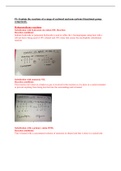
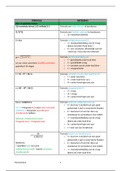
P1: Explain the reactions of a range of carbonyl and non-carbonyl functional group
compounds.
Halogenoalkane reactions
Substitution with hydroxide one minus OH- Reaction
Reaction conditions:
Sodium hydroxide or potassium hydroxide is used to reflux the 1-bromopropane using heat with a
solvent that is being used of 50% ethanol and 50% water that causes the nucleophilic substitution
reaction
Substitution with ammonia NH3
Reaction conditions:
This reaction isn’t done in a beaker as gas is involved in the reaction so it is done in a sealed container
to prevent anything from being lost that into the surroundings and is heated
Substitution with a primary amine RNH2
Reaction conditions:
That is heated with a concentrated solution of ammonia in ethanol and that is done in a sealed tube
,Elimination with hydroxide one minus ion OH-
Reaction conditions:
That is using the concentrated sodium hydroxide and the reflux with ethanol and solvent to drive the
reaction
Polymerisation manufacture of PVC
Reaction conditions:
The excess chloroethane that is used as a solvent with a catalyst of iron (III) chloride to line up the
alkenes. The temperature being at 320-350K is then kept throughout the reaction with 405300 Pa of
pressure.
Alcohol Reactions
Reaction with sodium metal
The room temperature at 25oC when the reaction then takes place at standard conditions.
, Oxidation of a primary alcohol with hot copper (II) oxide to an aldehyde
Reaction condition:
The copper is heated, and strong alcohol vapour is passed over the copper by wool being soaked in
propanol. The hot copper oxide is the oxidising agent.
Oxidation of a primary alcohol with acidified potassium dichromate (VI) to an aldehyde
Reaction conditions:
Butan-1-ol and potassium dichromate into a beaker with the boiling water and then dilute sulphuric
acid
Oxidation of a primary alcohol with acidified potassium dichromate (VI) to a carboxylic acid
compounds.
Halogenoalkane reactions
Substitution with hydroxide one minus OH- Reaction
Reaction conditions:
Sodium hydroxide or potassium hydroxide is used to reflux the 1-bromopropane using heat with a
solvent that is being used of 50% ethanol and 50% water that causes the nucleophilic substitution
reaction
Substitution with ammonia NH3
Reaction conditions:
This reaction isn’t done in a beaker as gas is involved in the reaction so it is done in a sealed container
to prevent anything from being lost that into the surroundings and is heated
Substitution with a primary amine RNH2
Reaction conditions:
That is heated with a concentrated solution of ammonia in ethanol and that is done in a sealed tube
,Elimination with hydroxide one minus ion OH-
Reaction conditions:
That is using the concentrated sodium hydroxide and the reflux with ethanol and solvent to drive the
reaction
Polymerisation manufacture of PVC
Reaction conditions:
The excess chloroethane that is used as a solvent with a catalyst of iron (III) chloride to line up the
alkenes. The temperature being at 320-350K is then kept throughout the reaction with 405300 Pa of
pressure.
Alcohol Reactions
Reaction with sodium metal
The room temperature at 25oC when the reaction then takes place at standard conditions.
, Oxidation of a primary alcohol with hot copper (II) oxide to an aldehyde
Reaction condition:
The copper is heated, and strong alcohol vapour is passed over the copper by wool being soaked in
propanol. The hot copper oxide is the oxidising agent.
Oxidation of a primary alcohol with acidified potassium dichromate (VI) to an aldehyde
Reaction conditions:
Butan-1-ol and potassium dichromate into a beaker with the boiling water and then dilute sulphuric
acid
Oxidation of a primary alcohol with acidified potassium dichromate (VI) to a carboxylic acid