Jim Hiddink 08-01-2022
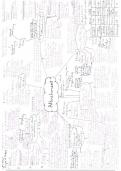
Chapter 1 - introduction
Comparative politics
o The study and comparison of
politics across countries
States
o Organizations that maintain a
monopoly of violence over a
territory
o Differ in
Origin
Length of existence
Strength
Historical development
Country
o Encompasses the territory and
people living within a state
Government
o The leadership or elite that
administers the state
o Ways in which states differ
Size
Population
Origins
Historical development
Natural endowments
Resources such as oil
Level of organization
Level of effectiveness
Level of stability
Level of legitimacy
Sources of legitimacy
o Traditional legitimacy
The state is obeyed because it has a long tradition of
being obeyed
o Charismatic legitimacy
Identification with the magnetic appeal of a leader
or a movement
o Rational-legal legitimacy
On the basis of a system of laws and procedures
that become highly institutionalized
Ability to preserve their sovereignty
Strong states
, o Can perform the tasks of defending the borders from
outside attacks and defending their authority from internal
nonstate factors
Weak states
o Have trouble carrying out those tasks
o Often suffer from
endemic violence
Poor infrastructure
Inability to collect taxes and enforce the rule of law
High levels of corruption
Failed states
o Experience a complete loss of legitimacy and power
o May be overwhelmed by anarchy and violence
The degree to which they centralize or disperse political power
Unitary states
o Concentrate most of their political power in national capital
o Allocate little decision making power to regions or local
authorities
o May be stronger and more decisive than federal states
May create local resentment and initiate calls for a
devolution of power to regions and localities
Federal states
o Divide power between the central government and regional
or local authorities
o Often find that their dispersal of power hampers national
decision making and accountability
o Often suffer from more corruption due to giving local
officials greater access to resources
o Political regimes
o The norms and rules regarding
individual freedoms and collective equality
The locus of power
The use of that power
o Often described in constitutions
Democratic regimes
Have rules that
o emphasize a large role for the public in governance
o Protect basic rights and freedoms
o Attempt to ensure the basic transparency of and
accountability for government actions
Authoritarian regimes
Limit the role of the public in decision making
Often deny citizens basic rights
Restrict freedoms
o Democratic political institutions
Executive
, Branch of government that carries out the laws and policies of a
given state
Performs two duties
o Head of the state
Symbolizes and represents the people, both
nationally and internationally, embodying and
articulating the goals of the regime
o Head of government
Deals with the everyday tasks of running the state
Formulates and executes policy
Legislature
Branch of government formally charged with making laws
Differ considerably from country to country
Two types of legislatures
o Unicameral legislature
Consist of a single chamber
o Bicameral legislatures
Consist of two legislative chambers
One represents the population at large
(lower house)
One reflects certain geographic subunits
Judiciary
Branch of government that is concerned with dispensing justice
Constitutional court
o Highest judicial body to rule on the constitutionality of laws
and other government actions
o Formally oversees the entire judicial structure
review
o Judicial review
The mechanism by which the court reviews laws and
policies and overturns those seen as violations of
the constitution
o Concrete review
Allows the high court to rule on constitutional issues
only when relevant disputes are brought before it
o Abstract review
Allowing the high court to decide on questions that
do not arise from legal cases
Sometimes even allows it to make judgement on
legislation that has not yet been enacted
Models of legislative-executive relations within democratic regimes
Parliamentary
o Features an executive head of government
Elected from within the legislature
Hugely cerimonial duties
o Cabinet
, The body of chief ministers or officials in
government in charge of such policy areas as
defense, agriculture and so on
o ^Both charged with formulating and executing policy
Presidential system
o Combines the roles of head of state and head of
government in the office of the president
o Features a directly elected president
o President holds most of the government’s executive powers
Semi-presidential system
o An attempt to avoid the weaknesses of parliamentary and
presidential systems
o Includes a prime minister approved by the legislature and a
directly elected president, both sharing executive power
o Tend to produce strong presidents akin to those in pure
presidential systems
Exact balance of power varies from case to case
Electoral system
o Determines how votes are cast and counted
Proportional representation (PR) (netherlands)
o Relies on multimember districts (MMDs)
More than one legislative seats are contesred in
each electoral district
o Also single-member districts possible (SMD)
One person per party and constituency
Mixed electoral system
o Voters given two votes
One for party
One for candidate
o Candidates selected through SMD
o Rest is selected through MMD votes for parties
o nondemocratic regimes
Types
Personal dictatorship
Military regime
One-party regime
Theocracy
Illiberal regime
o Retains the basic structures of a democracy but does not
protect civil liberties
Communist regimes
o One party regimes
o Economy and political world controlled by the regime
Totalitarian
o Feature a strong official ideology that seeks to transform
fundamental aspects of the state, society, and economy,
Chapter 1 - introduction
Comparative politics
o The study and comparison of
politics across countries
States
o Organizations that maintain a
monopoly of violence over a
territory
o Differ in
Origin
Length of existence
Strength
Historical development
Country
o Encompasses the territory and
people living within a state
Government
o The leadership or elite that
administers the state
o Ways in which states differ
Size
Population
Origins
Historical development
Natural endowments
Resources such as oil
Level of organization
Level of effectiveness
Level of stability
Level of legitimacy
Sources of legitimacy
o Traditional legitimacy
The state is obeyed because it has a long tradition of
being obeyed
o Charismatic legitimacy
Identification with the magnetic appeal of a leader
or a movement
o Rational-legal legitimacy
On the basis of a system of laws and procedures
that become highly institutionalized
Ability to preserve their sovereignty
Strong states
, o Can perform the tasks of defending the borders from
outside attacks and defending their authority from internal
nonstate factors
Weak states
o Have trouble carrying out those tasks
o Often suffer from
endemic violence
Poor infrastructure
Inability to collect taxes and enforce the rule of law
High levels of corruption
Failed states
o Experience a complete loss of legitimacy and power
o May be overwhelmed by anarchy and violence
The degree to which they centralize or disperse political power
Unitary states
o Concentrate most of their political power in national capital
o Allocate little decision making power to regions or local
authorities
o May be stronger and more decisive than federal states
May create local resentment and initiate calls for a
devolution of power to regions and localities
Federal states
o Divide power between the central government and regional
or local authorities
o Often find that their dispersal of power hampers national
decision making and accountability
o Often suffer from more corruption due to giving local
officials greater access to resources
o Political regimes
o The norms and rules regarding
individual freedoms and collective equality
The locus of power
The use of that power
o Often described in constitutions
Democratic regimes
Have rules that
o emphasize a large role for the public in governance
o Protect basic rights and freedoms
o Attempt to ensure the basic transparency of and
accountability for government actions
Authoritarian regimes
Limit the role of the public in decision making
Often deny citizens basic rights
Restrict freedoms
o Democratic political institutions
Executive
, Branch of government that carries out the laws and policies of a
given state
Performs two duties
o Head of the state
Symbolizes and represents the people, both
nationally and internationally, embodying and
articulating the goals of the regime
o Head of government
Deals with the everyday tasks of running the state
Formulates and executes policy
Legislature
Branch of government formally charged with making laws
Differ considerably from country to country
Two types of legislatures
o Unicameral legislature
Consist of a single chamber
o Bicameral legislatures
Consist of two legislative chambers
One represents the population at large
(lower house)
One reflects certain geographic subunits
Judiciary
Branch of government that is concerned with dispensing justice
Constitutional court
o Highest judicial body to rule on the constitutionality of laws
and other government actions
o Formally oversees the entire judicial structure
review
o Judicial review
The mechanism by which the court reviews laws and
policies and overturns those seen as violations of
the constitution
o Concrete review
Allows the high court to rule on constitutional issues
only when relevant disputes are brought before it
o Abstract review
Allowing the high court to decide on questions that
do not arise from legal cases
Sometimes even allows it to make judgement on
legislation that has not yet been enacted
Models of legislative-executive relations within democratic regimes
Parliamentary
o Features an executive head of government
Elected from within the legislature
Hugely cerimonial duties
o Cabinet
, The body of chief ministers or officials in
government in charge of such policy areas as
defense, agriculture and so on
o ^Both charged with formulating and executing policy
Presidential system
o Combines the roles of head of state and head of
government in the office of the president
o Features a directly elected president
o President holds most of the government’s executive powers
Semi-presidential system
o An attempt to avoid the weaknesses of parliamentary and
presidential systems
o Includes a prime minister approved by the legislature and a
directly elected president, both sharing executive power
o Tend to produce strong presidents akin to those in pure
presidential systems
Exact balance of power varies from case to case
Electoral system
o Determines how votes are cast and counted
Proportional representation (PR) (netherlands)
o Relies on multimember districts (MMDs)
More than one legislative seats are contesred in
each electoral district
o Also single-member districts possible (SMD)
One person per party and constituency
Mixed electoral system
o Voters given two votes
One for party
One for candidate
o Candidates selected through SMD
o Rest is selected through MMD votes for parties
o nondemocratic regimes
Types
Personal dictatorship
Military regime
One-party regime
Theocracy
Illiberal regime
o Retains the basic structures of a democracy but does not
protect civil liberties
Communist regimes
o One party regimes
o Economy and political world controlled by the regime
Totalitarian
o Feature a strong official ideology that seeks to transform
fundamental aspects of the state, society, and economy,