QUESTION 1
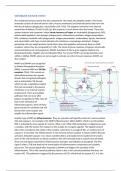
WHITE PAPER 6 SHOWED A COMMITMENT TO PROVIDING EQUAL
EDUCATION OPPORTUNITIES FOR LEARNERS WHO HAD BEEN EXCLUDED
BECAUSE THE EDUCATION AND TRAINING SYSTEM DID NOT
ACCOMMODATE THEIR SPECIAL NEEDS. THE TEACHER CAN USE THE
FOLLOWING TO ENSURE AN INCLUSIVE LEAR NING ENVIRONMENT:
• A TRANSFORMATIVE APPROACH
• A CARING PEDAGOGY
• AWARENESS OF INTRINSIC AND EXTRINSIC FACTORS
• A BROADER APPROACH TO SUPPORT
1.1.1. WHAT IS INCLUSIVE LEARNING ENVIRONMENT? (3)
According to my understanding, an inclusive learning environment is an environment
that is created to assists all students and the school system as a unit by working on
addressing the systemic barriers that hinder the wide areas of educational goals
from being fulfilled. When we refer to inclusive education, we envision a learning
environment where all students can receive equal quality education and where there
is no prejudice but inclusion and engagement of all, primarily to assist those students
who face learning challenges.
1.1.2. EXPLAIN THE TRANSFORMATIVE APPROACH. (2)
As per my understanding when we refer to the transformation approach we refer to a
process of change. When we implement the transformation approach, we change
our mindset and behaviours toward cultural diversity by implementing a unique
curriculum that will foster inspiration in our students to examine problems and ideas
from the experience and perspectives of individual cultures. This type of process can
be accomplished by incorporating different teaching strategies, enforce fairness and
creating a school and classroom environment that is non-discriminative by
encouraging participation.
3
, 1.1.3. WHY DO WE HAVE BROADER APPROACH TO SUPPORT?
PROVIDE THREE REASONS FOR BROADER APPROACH TO
SUPPORT. (3)
I. To provide assistance for all activities that may take place in a school
setting.
II. Adopting a broader approach will assist schools in improving their
response to diversity by creating an inclusive learning environment for our
multicultural classrooms.
III. The broader approach also assists schools in making an inclusive learning
environment as well as adapting lessons to make it more accessible to any
and all students.
1.1.4. DIFFERENTIATE BETWEEN DISRUPTIVE BEHAVIOUR AND
LEARNING DIFFICULT. PROVIDE ONE EXAMPLE FOR EACH (5)
Disruptive behaviour is defined as behaviour in a classroom setting that disturbs a
lesson or the performance of not only their own but other student work. This form of
behaviour occurs when a student is disobedient and hinders themself and other
students in the classroom setting from functioning by grabbing a teacher's attention
and preventing the teacher from assisting the other students for example aggression
towards students and teachers or constant whistling. Learning difficulties, on the
other hand, pertain to students who rarely grasp why they are experiencing problems
mastering the subject content. Students with learning difficulties have a hard time
acquiring the knowledge and necessary skills for the level of set objectives that must
be achieved for their age group, especially if they have a learning disability or a
neurological impairment. An example of this can be dyslexia or downs syndrome.
4
WHITE PAPER 6 SHOWED A COMMITMENT TO PROVIDING EQUAL
EDUCATION OPPORTUNITIES FOR LEARNERS WHO HAD BEEN EXCLUDED
BECAUSE THE EDUCATION AND TRAINING SYSTEM DID NOT
ACCOMMODATE THEIR SPECIAL NEEDS. THE TEACHER CAN USE THE
FOLLOWING TO ENSURE AN INCLUSIVE LEAR NING ENVIRONMENT:
• A TRANSFORMATIVE APPROACH
• A CARING PEDAGOGY
• AWARENESS OF INTRINSIC AND EXTRINSIC FACTORS
• A BROADER APPROACH TO SUPPORT
1.1.1. WHAT IS INCLUSIVE LEARNING ENVIRONMENT? (3)
According to my understanding, an inclusive learning environment is an environment
that is created to assists all students and the school system as a unit by working on
addressing the systemic barriers that hinder the wide areas of educational goals
from being fulfilled. When we refer to inclusive education, we envision a learning
environment where all students can receive equal quality education and where there
is no prejudice but inclusion and engagement of all, primarily to assist those students
who face learning challenges.
1.1.2. EXPLAIN THE TRANSFORMATIVE APPROACH. (2)
As per my understanding when we refer to the transformation approach we refer to a
process of change. When we implement the transformation approach, we change
our mindset and behaviours toward cultural diversity by implementing a unique
curriculum that will foster inspiration in our students to examine problems and ideas
from the experience and perspectives of individual cultures. This type of process can
be accomplished by incorporating different teaching strategies, enforce fairness and
creating a school and classroom environment that is non-discriminative by
encouraging participation.
3
, 1.1.3. WHY DO WE HAVE BROADER APPROACH TO SUPPORT?
PROVIDE THREE REASONS FOR BROADER APPROACH TO
SUPPORT. (3)
I. To provide assistance for all activities that may take place in a school
setting.
II. Adopting a broader approach will assist schools in improving their
response to diversity by creating an inclusive learning environment for our
multicultural classrooms.
III. The broader approach also assists schools in making an inclusive learning
environment as well as adapting lessons to make it more accessible to any
and all students.
1.1.4. DIFFERENTIATE BETWEEN DISRUPTIVE BEHAVIOUR AND
LEARNING DIFFICULT. PROVIDE ONE EXAMPLE FOR EACH (5)
Disruptive behaviour is defined as behaviour in a classroom setting that disturbs a
lesson or the performance of not only their own but other student work. This form of
behaviour occurs when a student is disobedient and hinders themself and other
students in the classroom setting from functioning by grabbing a teacher's attention
and preventing the teacher from assisting the other students for example aggression
towards students and teachers or constant whistling. Learning difficulties, on the
other hand, pertain to students who rarely grasp why they are experiencing problems
mastering the subject content. Students with learning difficulties have a hard time
acquiring the knowledge and necessary skills for the level of set objectives that must
be achieved for their age group, especially if they have a learning disability or a
neurological impairment. An example of this can be dyslexia or downs syndrome.
4