Page 1 ofFoundations
810/20/2026https://www.stuvia.com/user/????????????????????"OP@)(@)(*#@(#*@#&*$^&)(*@)$*$(&(Y&*&%Y&*(@)&$(&%*&%*&(&%@&*($#(*&98oFoundations
of MicrobiologyPage
10/20/2026Page
1 of 810/20/2026https://www.stuvia.com/user/????????????????????"OP@)(@)(*#@(#*@#&*$^&)(*@)$*$(&(Y&*&%Y&*(@)&$(&%*&%*&(&%@&*($#(*&98oFoundations
1 of 810/20/2026https://www.stuvia.com/user/????????????????????"OP@)(@)(*#@(#*@#&*$^&)(*@)$*$(&(Y&*&%Y&*(@)&$(&%*&%*&(&%@&*($#(*&98oFoundations
of Microbiology.pdf10/20/2026, 4:09:33
of Microbiology.pdf10/20/2026,
AM of Microbiology.pdf10/20/2026,
4:09:33 AM
4:09:33 AM
Don't know?
Terms in this set (48)
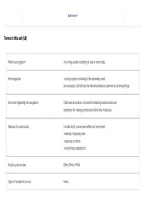
What is an organism Any living system consiting of one or more cells
Microorganism -a living system consisting of an extremely small
(microscopic) cell that has the following features common to all living things
Structure regarding microorganism Cells have a nucleus or nucleoid containing nucleic acids and
machinery for making proteins and other bio-molecules
Natures of nucleic acids Contain both, viruses have either but never both
-method of reproduction
-response to stimuli
-evolutionary adaptations
Nucleic acids viruses Either DNA or RNA
Type of nucleus for a virus None
Page 1 of 810/20/2026https://www.stuvia.com/user/????????????????????"OP@)(@)(*#@(#*@#&*$^&)(*@)$*$(&(Y&*&%Y&*(@)&$(&%*&%*&(&%@&*($#(*&98oFoundations
Page 1 of 810/20/2026https://www.stuvia.com/user/????????????????????"OP@)(@)(*#@(#*@#&*$^&)(*@)$*$(&(Y&*&%Y&*(@)&$(&%*&%*&(&%@&*($#(*&98oFoundations
Page 1 of 810/20/2026https://www.stuvia.com/user/????????????????????"OP@)(@)(*#@(#*@#&*$^&)(*@)$*$(&(Y&*&%Y&*(@)&$(&%*&%*&(&%@&*($#(*&98oFoundations
of Microbiology.pdf10/20/2026,
of Microbiology.pdf10/20/2026,
4:09:33 AM of Microbiology.pdf10/20/2026,
4:09:33 AM 4:09:33 AM
, Page 2 ofFoundations
810/20/2026https://www.stuvia.com/user/????????????????????"OP@)(@)(*#@(#*@#&*$^&)(*@)$*$(&(Y&*&%Y&*(@)&$(&%*&%*&(&%@&*($#(*&98oFoundations
of MicrobiologyPage
10/20/2026Page
2 of 810/20/2026https://www.stuvia.com/user/????????????????????"OP@)(@)(*#@(#*@#&*$^&)(*@)$*$(&(Y&*&%Y&*(@)&$(&%*&%*&(&%@&*($#(*&98oFoundations
2 of 810/20/2026https://www.stuvia.com/user/????????????????????"OP@)(@)(*#@(#*@#&*$^&)(*@)$*$(&(Y&*&%Y&*(@)&$(&%*&%*&(&%@&*($#(*&98oFoundations
of Microbiology.pdf10/20/2026, 4:09:33
of Microbiology.pdf10/20/2026,
AM of Microbiology.pdf10/20/2026,
4:09:33 AM
4:09:33 AM
Mitochondria of a virus Absent
Type of nucleus of bacteria No distinct nuclear compartment
Mitochondria of bacteria Absent
Prokaryotes: Bacteria -200,000 have been described, may be millions of species in nature
-Bacteria are extremely prevalent and are the most studied group in microbiology
Characteristics of prokaryotes: bacteria -Mostly unicellular but some form filaments.
• Majority associate in biofilms.
• Most have a rigid cell wall.
• Common cell shapes are spheres, spirals, and rods.
Why are bacteria's widely studied -Many are pathogens.
-Many species are responsible for food spoilage.
- Many species are useful in the
food industry.
Page 2 of 810/20/2026https://www.stuvia.com/user/????????????????????"OP@)(@)(*#@(#*@#&*$^&)(*@)$*$(&(Y&*&%Y&*(@)&$(&%*&%*&(&%@&*($#(*&98oFoundations
Page 2 of 810/20/2026https://www.stuvia.com/user/????????????????????"OP@)(@)(*#@(#*@#&*$^&)(*@)$*$(&(Y&*&%Y&*(@)&$(&%*&%*&(&%@&*($#(*&98oFoundations
Page 2 of 810/20/2026https://www.stuvia.com/user/????????????????????"OP@)(@)(*#@(#*@#&*$^&)(*@)$*$(&(Y&*&%Y&*(@)&$(&%*&%*&(&%@&*($#(*&98oFoundations
of Microbiology.pdf10/20/2026,
of Microbiology.pdf10/20/2026,
4:09:33 AM of Microbiology.pdf10/20/2026,
4:09:33 AM 4:09:33 AM
810/20/2026https://www.stuvia.com/user/????????????????????"OP@)(@)(*#@(#*@#&*$^&)(*@)$*$(&(Y&*&%Y&*(@)&$(&%*&%*&(&%@&*($#(*&98oFoundations
of MicrobiologyPage
10/20/2026Page
1 of 810/20/2026https://www.stuvia.com/user/????????????????????"OP@)(@)(*#@(#*@#&*$^&)(*@)$*$(&(Y&*&%Y&*(@)&$(&%*&%*&(&%@&*($#(*&98oFoundations
1 of 810/20/2026https://www.stuvia.com/user/????????????????????"OP@)(@)(*#@(#*@#&*$^&)(*@)$*$(&(Y&*&%Y&*(@)&$(&%*&%*&(&%@&*($#(*&98oFoundations
of Microbiology.pdf10/20/2026, 4:09:33
of Microbiology.pdf10/20/2026,
AM of Microbiology.pdf10/20/2026,
4:09:33 AM
4:09:33 AM
Don't know?
Terms in this set (48)
What is an organism Any living system consiting of one or more cells
Microorganism -a living system consisting of an extremely small
(microscopic) cell that has the following features common to all living things
Structure regarding microorganism Cells have a nucleus or nucleoid containing nucleic acids and
machinery for making proteins and other bio-molecules
Natures of nucleic acids Contain both, viruses have either but never both
-method of reproduction
-response to stimuli
-evolutionary adaptations
Nucleic acids viruses Either DNA or RNA
Type of nucleus for a virus None
Page 1 of 810/20/2026https://www.stuvia.com/user/????????????????????"OP@)(@)(*#@(#*@#&*$^&)(*@)$*$(&(Y&*&%Y&*(@)&$(&%*&%*&(&%@&*($#(*&98oFoundations
Page 1 of 810/20/2026https://www.stuvia.com/user/????????????????????"OP@)(@)(*#@(#*@#&*$^&)(*@)$*$(&(Y&*&%Y&*(@)&$(&%*&%*&(&%@&*($#(*&98oFoundations
Page 1 of 810/20/2026https://www.stuvia.com/user/????????????????????"OP@)(@)(*#@(#*@#&*$^&)(*@)$*$(&(Y&*&%Y&*(@)&$(&%*&%*&(&%@&*($#(*&98oFoundations
of Microbiology.pdf10/20/2026,
of Microbiology.pdf10/20/2026,
4:09:33 AM of Microbiology.pdf10/20/2026,
4:09:33 AM 4:09:33 AM
, Page 2 ofFoundations
810/20/2026https://www.stuvia.com/user/????????????????????"OP@)(@)(*#@(#*@#&*$^&)(*@)$*$(&(Y&*&%Y&*(@)&$(&%*&%*&(&%@&*($#(*&98oFoundations
of MicrobiologyPage
10/20/2026Page
2 of 810/20/2026https://www.stuvia.com/user/????????????????????"OP@)(@)(*#@(#*@#&*$^&)(*@)$*$(&(Y&*&%Y&*(@)&$(&%*&%*&(&%@&*($#(*&98oFoundations
2 of 810/20/2026https://www.stuvia.com/user/????????????????????"OP@)(@)(*#@(#*@#&*$^&)(*@)$*$(&(Y&*&%Y&*(@)&$(&%*&%*&(&%@&*($#(*&98oFoundations
of Microbiology.pdf10/20/2026, 4:09:33
of Microbiology.pdf10/20/2026,
AM of Microbiology.pdf10/20/2026,
4:09:33 AM
4:09:33 AM
Mitochondria of a virus Absent
Type of nucleus of bacteria No distinct nuclear compartment
Mitochondria of bacteria Absent
Prokaryotes: Bacteria -200,000 have been described, may be millions of species in nature
-Bacteria are extremely prevalent and are the most studied group in microbiology
Characteristics of prokaryotes: bacteria -Mostly unicellular but some form filaments.
• Majority associate in biofilms.
• Most have a rigid cell wall.
• Common cell shapes are spheres, spirals, and rods.
Why are bacteria's widely studied -Many are pathogens.
-Many species are responsible for food spoilage.
- Many species are useful in the
food industry.
Page 2 of 810/20/2026https://www.stuvia.com/user/????????????????????"OP@)(@)(*#@(#*@#&*$^&)(*@)$*$(&(Y&*&%Y&*(@)&$(&%*&%*&(&%@&*($#(*&98oFoundations
Page 2 of 810/20/2026https://www.stuvia.com/user/????????????????????"OP@)(@)(*#@(#*@#&*$^&)(*@)$*$(&(Y&*&%Y&*(@)&$(&%*&%*&(&%@&*($#(*&98oFoundations
Page 2 of 810/20/2026https://www.stuvia.com/user/????????????????????"OP@)(@)(*#@(#*@#&*$^&)(*@)$*$(&(Y&*&%Y&*(@)&$(&%*&%*&(&%@&*($#(*&98oFoundations
of Microbiology.pdf10/20/2026,
of Microbiology.pdf10/20/2026,
4:09:33 AM of Microbiology.pdf10/20/2026,
4:09:33 AM 4:09:33 AM