https://www.stuvia.com/user/????????????????????"OP@)(@)(*#@(#*@#&*$^&)(*@)$*$(&(Y&*&%Y&*(@)&$(&%*&%*&(&%@&*($#(*&98o
10/20/2026https://www.stuvia.com/user/????????????????????"OP@)(@)(*#@(#*@#&*$^&)(*@)$*$(&(Y&*&%Y&*(@)&$(&%*&%*&(&%@&*($#(*&98oFoundations
10/20/2026https://www.stuvia.com/user/????????????????????"OP@)(@)(*#@(#*@#&*$^&)(*@)$*$(&(Y&*&%Y&*(@)&$(&%*&%*&(&%@&*($#(*&98o
in Medicine Microbiology Introduction.pdf
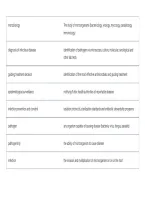
microbiology The study of microorganisms (bacteriology, virology, mycology, parasitology,
immunology)
diagnosis of infectious diseases identification of pathogens via microscopy, culture, molecular, serological and
other lab tests
guiding treatment decision identification of the most effective antimicrobials and guiding treatment
epidemiological surveillance notifying Public health authorities of reportable diseases
infection prevention and conutrol isolation protocols, sterilization standards and antibiotic stewardship programs
pathogen any organism capable of causing disease (bacteria, virus, fungus, parasite)
pathogenicity the ability of microorganism to cause disease
infection the invasion and multiplication of microorganisms in or on the host
Page 1 of 1110/20/2026https://www.stuvia.com/user/????????????????????"OP@)(@)(*#@(#*@#&*$^&)(*@)$*$(&(Y&*&%Y&*(@)&$(&%*&%*&(&%@&*($#(*&98oFoundations
Page 1 of 1110/20/2026https://www.stuvia.com/user/????????????????????"OP@)(@)(*#@(#*@#&*$^&)(*@)$*$(&(Y&*&%Y&*(@)&$(&%*&%*&(&%@&*($#(*&98oFoundations
https://www.stuvia.com/user/????????????????????"OP@)(@)(*#@(#*@#&*$^&)(*@)$*$(&(Y&*&%Y&*(@)&$(&%*&%*&(&%@&*($#(*&98o
in Medicine Microbiology
in Medicine
Introduction.pdf
Microbiology Introduction.pdf10/20/2026, 4:09:33 AM
, https://www.stuvia.com/user/????????????????????"OP@)(@)(*#@(#*@#&*$^&)(*@)$*$(&(Y&*&%Y&*(@)&$(&%*&%*&(&%@&*($#(*&98o
10/20/2026https://www.stuvia.com/user/????????????????????"OP@)(@)(*#@(#*@#&*$^&)(*@)$*$(&(Y&*&%Y&*(@)&$(&%*&%*&(&%@&*($#(*&98oFoundations
10/20/2026https://www.stuvia.com/user/????????????????????"OP@)(@)(*#@(#*@#&*$^&)(*@)$*$(&(Y&*&%Y&*(@)&$(&%*&%*&(&%@&*($#(*&98o
in Medicine Microbiology Introduction.pdf
4 types of infection apparent (symptomatic)
inapparent (subclinical)
localized (involved part of the body)
systemic (involving entire body)
incubation time from pathogen entry to appearance of symptoms
colonization the presence and growth of microorganisms in or on host WITHOUT clinical
disease
example of colonization many people have staph aureus in their nose without illness, but if it enters a
wound, it may cause an infection
infectivity ability of the pathogen to establish an infection (influenced by dose, route of
entry and host immunity)
infectious disease clinical manifestation of an infection(infection-specific signs and symptoms)
causing functional and structural harm to the host
virulence degree of pathogenicity. The more virulent a pathogen is, the greater its ability to
invade and cause the disease
Page 2 of 1110/20/2026https://www.stuvia.com/user/????????????????????"OP@)(@)(*#@(#*@#&*$^&)(*@)$*$(&(Y&*&%Y&*(@)&$(&%*&%*&(&%@&*($#(*&98oFoundations
Page 2 of 1110/20/2026https://www.stuvia.com/user/????????????????????"OP@)(@)(*#@(#*@#&*$^&)(*@)$*$(&(Y&*&%Y&*(@)&$(&%*&%*&(&%@&*($#(*&98oFoundations
https://www.stuvia.com/user/????????????????????"OP@)(@)(*#@(#*@#&*$^&)(*@)$*$(&(Y&*&%Y&*(@)&$(&%*&%*&(&%@&*($#(*&98o
in Medicine Microbiology
in Medicine
Introduction.pdf
Microbiology Introduction.pdf10/20/2026, 4:09:33 AM
10/20/2026https://www.stuvia.com/user/????????????????????"OP@)(@)(*#@(#*@#&*$^&)(*@)$*$(&(Y&*&%Y&*(@)&$(&%*&%*&(&%@&*($#(*&98oFoundations
10/20/2026https://www.stuvia.com/user/????????????????????"OP@)(@)(*#@(#*@#&*$^&)(*@)$*$(&(Y&*&%Y&*(@)&$(&%*&%*&(&%@&*($#(*&98o
in Medicine Microbiology Introduction.pdf
microbiology The study of microorganisms (bacteriology, virology, mycology, parasitology,
immunology)
diagnosis of infectious diseases identification of pathogens via microscopy, culture, molecular, serological and
other lab tests
guiding treatment decision identification of the most effective antimicrobials and guiding treatment
epidemiological surveillance notifying Public health authorities of reportable diseases
infection prevention and conutrol isolation protocols, sterilization standards and antibiotic stewardship programs
pathogen any organism capable of causing disease (bacteria, virus, fungus, parasite)
pathogenicity the ability of microorganism to cause disease
infection the invasion and multiplication of microorganisms in or on the host
Page 1 of 1110/20/2026https://www.stuvia.com/user/????????????????????"OP@)(@)(*#@(#*@#&*$^&)(*@)$*$(&(Y&*&%Y&*(@)&$(&%*&%*&(&%@&*($#(*&98oFoundations
Page 1 of 1110/20/2026https://www.stuvia.com/user/????????????????????"OP@)(@)(*#@(#*@#&*$^&)(*@)$*$(&(Y&*&%Y&*(@)&$(&%*&%*&(&%@&*($#(*&98oFoundations
https://www.stuvia.com/user/????????????????????"OP@)(@)(*#@(#*@#&*$^&)(*@)$*$(&(Y&*&%Y&*(@)&$(&%*&%*&(&%@&*($#(*&98o
in Medicine Microbiology
in Medicine
Introduction.pdf
Microbiology Introduction.pdf10/20/2026, 4:09:33 AM
, https://www.stuvia.com/user/????????????????????"OP@)(@)(*#@(#*@#&*$^&)(*@)$*$(&(Y&*&%Y&*(@)&$(&%*&%*&(&%@&*($#(*&98o
10/20/2026https://www.stuvia.com/user/????????????????????"OP@)(@)(*#@(#*@#&*$^&)(*@)$*$(&(Y&*&%Y&*(@)&$(&%*&%*&(&%@&*($#(*&98oFoundations
10/20/2026https://www.stuvia.com/user/????????????????????"OP@)(@)(*#@(#*@#&*$^&)(*@)$*$(&(Y&*&%Y&*(@)&$(&%*&%*&(&%@&*($#(*&98o
in Medicine Microbiology Introduction.pdf
4 types of infection apparent (symptomatic)
inapparent (subclinical)
localized (involved part of the body)
systemic (involving entire body)
incubation time from pathogen entry to appearance of symptoms
colonization the presence and growth of microorganisms in or on host WITHOUT clinical
disease
example of colonization many people have staph aureus in their nose without illness, but if it enters a
wound, it may cause an infection
infectivity ability of the pathogen to establish an infection (influenced by dose, route of
entry and host immunity)
infectious disease clinical manifestation of an infection(infection-specific signs and symptoms)
causing functional and structural harm to the host
virulence degree of pathogenicity. The more virulent a pathogen is, the greater its ability to
invade and cause the disease
Page 2 of 1110/20/2026https://www.stuvia.com/user/????????????????????"OP@)(@)(*#@(#*@#&*$^&)(*@)$*$(&(Y&*&%Y&*(@)&$(&%*&%*&(&%@&*($#(*&98oFoundations
Page 2 of 1110/20/2026https://www.stuvia.com/user/????????????????????"OP@)(@)(*#@(#*@#&*$^&)(*@)$*$(&(Y&*&%Y&*(@)&$(&%*&%*&(&%@&*($#(*&98oFoundations
https://www.stuvia.com/user/????????????????????"OP@)(@)(*#@(#*@#&*$^&)(*@)$*$(&(Y&*&%Y&*(@)&$(&%*&%*&(&%@&*($#(*&98o
in Medicine Microbiology
in Medicine
Introduction.pdf
Microbiology Introduction.pdf10/20/2026, 4:09:33 AM