Microbiology Exam 1_ Microbial
Page 1 ofTaxonomy,
12Page 1Cell
of 1210/20/2026https://www.stuvia.com/user/????????????????????"OP@)(@)(*#@(#*@#&*$^&)(*@)$*$(&(Y&*&%Y&*(@)&$(&%*&%*&(&%@&*($#(*&98oMicrobiology
Structures, and
Page
Growth.pdfPage
1 of 1210/20/2026https://www.stuvia.com/user/????????????????????"OP@)(@)(*#@(#*@#&*$^&)(*@)$*$(&(Y&*&%Y&*(@)&$(&%*&%*&(&%@&*($#(*&98oMicrobiology
1 of 1210/20/2026https://www.stuvia.com/user/????????????????????"OP@)(@)(*#@(#*@#&*$^&)(*@)$*$(&(Y&*&%Y&*(@)&$(&%*&%*&(&%@&*($#(*&98oMicrobiology
Exam 1_ Microbial Taxonomy,
Exam 1_
CellMicrobial
Structures,
ExamTaxonomy,
1_and
Microbial
Growth.pdf10/20/2026,
Cell
Taxonomy,
Structures,Cell
andStructures,
4:09:33
Growth.pdf10/20/2026,
AMand Growth.pdf10/20/2026,
4:09:33 AM 4:09:3
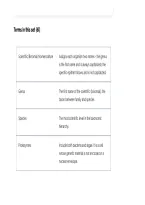
Terms in this set (61)
Scientific/Binomial Nomenclature Assigns each organism two names - the genus
is the first name and is always capitalized; the
specific epithet follows and is not capitalized.
Genus The first name of the scientific (binomial): the
taxon between family and species.
Species The most scientific level in the taxonomic
hierarchy.
Prokaryotes Include both bacteria and algae. It is a cell
whose genetic material is not enclosed in a
nuclear envelope.
Page 1 of 1210/20/2026https://www.stuvia.com/user/????????????????????"OP@)(@)(*#@(#*@#&*$^&)(*@)$*$(&(Y&*&%Y&*(@)&$(&%*&%*&(&%@&*($#(*&98oMicrobiology
10/20/2026, 4:12:09 AMPage 1 of 1210/20/2026https://www.stuvia.com/user/????????????????????"OP@)(@)(*#@(#*@#&*$^&)(*@)$*$(&(Y&*&%Y&*(@)&$(&%*&%*&(&%@&*($#(*&98oMicrobiology
Page 1 of 1210/20/2026https://www.stuvia.com/user/????????????????????"OP@)(@)(*#@(#*@#&*$^&)(*@)$*$(&(Y&*&%Y&*(@)&$(&%*&%*&(&%@&*($#(*&98oMicrobiology
Exam 1_ Microbial Taxonomy, Cell Structures,
Exam and
1_Growth.pdf10/20/2026,
Microbial Exam
Taxonomy,
1_ Microbial
Cell
4:09:33
Structures,
Taxonomy,
AM and Cell
Growth.pdf10/20/2026,
Structures, and Growth.pdf10/20/2026,
4:09:33 AM 4:09:33 AM
, Microbiology Exam 1_ Microbial
Page 2 ofTaxonomy,
12Page 2Cell
of 1210/20/2026https://www.stuvia.com/user/????????????????????"OP@)(@)(*#@(#*@#&*$^&)(*@)$*$(&(Y&*&%Y&*(@)&$(&%*&%*&(&%@&*($#(*&98oMicrobiology
Structures, and
Page
Growth.pdfPage
2 of 1210/20/2026https://www.stuvia.com/user/????????????????????"OP@)(@)(*#@(#*@#&*$^&)(*@)$*$(&(Y&*&%Y&*(@)&$(&%*&%*&(&%@&*($#(*&98oMicrobiology
2 of 1210/20/2026https://www.stuvia.com/user/????????????????????"OP@)(@)(*#@(#*@#&*$^&)(*@)$*$(&(Y&*&%Y&*(@)&$(&%*&%*&(&%@&*($#(*&98oMicrobiology
Exam 1_ Microbial Taxonomy,
Exam 1_
CellMicrobial
Structures,
ExamTaxonomy,
1_and
Microbial
Growth.pdf10/20/2026,
Cell
Taxonomy,
Structures,Cell
andStructures,
4:09:33
Growth.pdf10/20/2026,
AMand Growth.pdf10/20/2026,
4:09:33 AM 4:09:3
Eukaryotes A cell having DNA inside a distinct membrane
enclosed nucleus called the nuclear
membrane.
Bacteria Prokaryotic, unicellular, peptidoglycan cell
walls, divide by binary fission, may have
flagella.
Archaea Prokaryotic, lack peptidoglycan, often live in
extreme environments, include methanogens,
halophiles, thermophiles.
Fungi Eukaryotic, chitin cell walls, absorb organic
chemicals, yeasts (unicellular),
molds/mushrooms (multicellular).
Protozoa Eukaryotic, absorb/ingest organic chemicals,
motile via pseudopods, cilia, or flagella,
reproduce sexually/asexually.
Page 2 of 1210/20/2026https://www.stuvia.com/user/????????????????????"OP@)(@)(*#@(#*@#&*$^&)(*@)$*$(&(Y&*&%Y&*(@)&$(&%*&%*&(&%@&*($#(*&98oMicrobiology
10/20/2026, 4:12:09 AMPage 2 of 1210/20/2026https://www.stuvia.com/user/????????????????????"OP@)(@)(*#@(#*@#&*$^&)(*@)$*$(&(Y&*&%Y&*(@)&$(&%*&%*&(&%@&*($#(*&98oMicrobiology
Page 2 of 1210/20/2026https://www.stuvia.com/user/????????????????????"OP@)(@)(*#@(#*@#&*$^&)(*@)$*$(&(Y&*&%Y&*(@)&$(&%*&%*&(&%@&*($#(*&98oMicrobiology
Exam 1_ Microbial Taxonomy, Cell Structures,
Exam and
1_Growth.pdf10/20/2026,
Microbial Exam
Taxonomy,
1_ Microbial
Cell
4:09:33
Structures,
Taxonomy,
AM and Cell
Growth.pdf10/20/2026,
Structures, and Growth.pdf10/20/2026,
4:09:33 AM 4:09:33 AM