Introduction to Microbiology_
Page
Microorganisms,
1 of 610/20/2026https://www.stuvia.com/user/????????????????????"OP@)(@)(*#@(#*@#&*$^&)(*@)$*$(&(Y&*&%Y&*(@)&$(&%*&%*&(&%@&*($#(*&98oIntroduction
Classification,
Page 1 and
of 610/20/2026https://www.stuvia.com/user/????????????????????"OP@)(@)(*#@(#*@#&*$^&)(*@)$*$(&(Y&*&%Y&*(@)&$(&%*&%*&(&%@&*($#(*&98oIntroduction
Key Organisms.pdfPage 1 of 610/20/2026https://www.stuvia.com/user/????????????????????"OP@)(@)(*#@(#*@#&*$^&)(*@)$*$(&(Y&*&%Y&*(@)&$(&%*&%*&(&%@&*($#(*&98oIntroduction
to Microbiology_ Microorganisms,
to Microbiology_
Classification,
Microorganisms,
and Key Organisms.pdf10/20/2026,
to Microbiology_
Classification,Microorganisms,
and Key Organisms.pdf10/20/2026,
4:09:33Classification,
AM and Key
4:09:33
Organisms.pdf10
AM
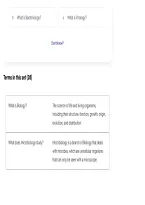
3 What is Bacteriology? 4 What is Virology?
Don't know?
Terms in this set (28)
What is Biology? The science of life and living organisms,
including their structure, function, growth, origin,
evolution, and distribution.
What does Microbiology study? Microbiology is a branch of Biology that deals
with microbes, which are unicellular organisms
that can only be seen with a microscope.
Page 1 of 610/20/2026https://www.stuvia.com/user/????????????????????"OP@)(@)(*#@(#*@#&*$^&)(*@)$*$(&(Y&*&%Y&*(@)&$(&%*&%*&(&%@&*($#(*&98oIntroduction
Page 1 of 610/20/2026https://www.stuvia.com/user/????????????????????"OP@)(@)(*#@(#*@#&*$^&)(*@)$*$(&(Y&*&%Y&*(@)&$(&%*&%*&(&%@&*($#(*&98oIntroduction
Page 1 of 610/20/2026https://www.stuvia.com/user/????????????????????"OP@)(@)(*#@(#*@#&*$^&)(*@)$*$(&(Y&*&%Y&*(@)&$(&%*&%*&(&%@&*($#(*&98oIntroduction
to Microbiology_ Microorganisms,
to Microbiology_
Classification,
Microorganisms,
and Key
to Microbiology_
Organisms.pdf10/20/2026,
Classification,
Microorganisms,
and Key Organisms.pdf10/20/2026,
4:09:33
Classification,
AM and Key Organisms.pdf10/20/2026,
4:09:33 AM 4:09:33 AM
, Introduction to Microbiology_
Page
Microorganisms,
2 of 610/20/2026https://www.stuvia.com/user/????????????????????"OP@)(@)(*#@(#*@#&*$^&)(*@)$*$(&(Y&*&%Y&*(@)&$(&%*&%*&(&%@&*($#(*&98oIntroduction
Classification,
Page 2 and
of 610/20/2026https://www.stuvia.com/user/????????????????????"OP@)(@)(*#@(#*@#&*$^&)(*@)$*$(&(Y&*&%Y&*(@)&$(&%*&%*&(&%@&*($#(*&98oIntroduction
Key Organisms.pdfPage 2 of 610/20/2026https://www.stuvia.com/user/????????????????????"OP@)(@)(*#@(#*@#&*$^&)(*@)$*$(&(Y&*&%Y&*(@)&$(&%*&%*&(&%@&*($#(*&98oIntroduction
to Microbiology_ Microorganisms,
to Microbiology_
Classification,
Microorganisms,
and Key Organisms.pdf10/20/2026,
to Microbiology_
Classification,Microorganisms,
and Key Organisms.pdf10/20/2026,
4:09:33Classification,
AM and Key
4:09:33
Organisms.pdf10
AM
What is a microbe? A microbe, also known as a microorganism, is a
unicellular organism that can only be observed
with the aid of a microscope.
What is Bacteriology? The study of bacteria, which are minute
unicellular organisms that resemble plants but do
not contain chlorophyll.
What is Mycology? The study of fungi, which can be unicellular or
multicellular organisms.
What is Virology? The study of viruses, which are the smallest
known obligate intracellular organisms.
What is Rickettsiology? The study of rickettsia, which are obligate
intracellular organisms.
What is Protozoology? The study of protozoa, which are unicellular
animal organisms.
Page 2 of 610/20/2026https://www.stuvia.com/user/????????????????????"OP@)(@)(*#@(#*@#&*$^&)(*@)$*$(&(Y&*&%Y&*(@)&$(&%*&%*&(&%@&*($#(*&98oIntroduction
Page 2 of 610/20/2026https://www.stuvia.com/user/????????????????????"OP@)(@)(*#@(#*@#&*$^&)(*@)$*$(&(Y&*&%Y&*(@)&$(&%*&%*&(&%@&*($#(*&98oIntroduction
Page 2 of 610/20/2026https://www.stuvia.com/user/????????????????????"OP@)(@)(*#@(#*@#&*$^&)(*@)$*$(&(Y&*&%Y&*(@)&$(&%*&%*&(&%@&*($#(*&98oIntroduction
to Microbiology_ Microorganisms,
to Microbiology_
Classification,
Microorganisms,
and Key
to Microbiology_
Organisms.pdf10/20/2026,
Classification,
Microorganisms,
and Key Organisms.pdf10/20/2026,
4:09:33
Classification,
AM and Key Organisms.pdf10/20/2026,
4:09:33 AM 4:09:33 AM
Page
Microorganisms,
1 of 610/20/2026https://www.stuvia.com/user/????????????????????"OP@)(@)(*#@(#*@#&*$^&)(*@)$*$(&(Y&*&%Y&*(@)&$(&%*&%*&(&%@&*($#(*&98oIntroduction
Classification,
Page 1 and
of 610/20/2026https://www.stuvia.com/user/????????????????????"OP@)(@)(*#@(#*@#&*$^&)(*@)$*$(&(Y&*&%Y&*(@)&$(&%*&%*&(&%@&*($#(*&98oIntroduction
Key Organisms.pdfPage 1 of 610/20/2026https://www.stuvia.com/user/????????????????????"OP@)(@)(*#@(#*@#&*$^&)(*@)$*$(&(Y&*&%Y&*(@)&$(&%*&%*&(&%@&*($#(*&98oIntroduction
to Microbiology_ Microorganisms,
to Microbiology_
Classification,
Microorganisms,
and Key Organisms.pdf10/20/2026,
to Microbiology_
Classification,Microorganisms,
and Key Organisms.pdf10/20/2026,
4:09:33Classification,
AM and Key
4:09:33
Organisms.pdf10
AM
3 What is Bacteriology? 4 What is Virology?
Don't know?
Terms in this set (28)
What is Biology? The science of life and living organisms,
including their structure, function, growth, origin,
evolution, and distribution.
What does Microbiology study? Microbiology is a branch of Biology that deals
with microbes, which are unicellular organisms
that can only be seen with a microscope.
Page 1 of 610/20/2026https://www.stuvia.com/user/????????????????????"OP@)(@)(*#@(#*@#&*$^&)(*@)$*$(&(Y&*&%Y&*(@)&$(&%*&%*&(&%@&*($#(*&98oIntroduction
Page 1 of 610/20/2026https://www.stuvia.com/user/????????????????????"OP@)(@)(*#@(#*@#&*$^&)(*@)$*$(&(Y&*&%Y&*(@)&$(&%*&%*&(&%@&*($#(*&98oIntroduction
Page 1 of 610/20/2026https://www.stuvia.com/user/????????????????????"OP@)(@)(*#@(#*@#&*$^&)(*@)$*$(&(Y&*&%Y&*(@)&$(&%*&%*&(&%@&*($#(*&98oIntroduction
to Microbiology_ Microorganisms,
to Microbiology_
Classification,
Microorganisms,
and Key
to Microbiology_
Organisms.pdf10/20/2026,
Classification,
Microorganisms,
and Key Organisms.pdf10/20/2026,
4:09:33
Classification,
AM and Key Organisms.pdf10/20/2026,
4:09:33 AM 4:09:33 AM
, Introduction to Microbiology_
Page
Microorganisms,
2 of 610/20/2026https://www.stuvia.com/user/????????????????????"OP@)(@)(*#@(#*@#&*$^&)(*@)$*$(&(Y&*&%Y&*(@)&$(&%*&%*&(&%@&*($#(*&98oIntroduction
Classification,
Page 2 and
of 610/20/2026https://www.stuvia.com/user/????????????????????"OP@)(@)(*#@(#*@#&*$^&)(*@)$*$(&(Y&*&%Y&*(@)&$(&%*&%*&(&%@&*($#(*&98oIntroduction
Key Organisms.pdfPage 2 of 610/20/2026https://www.stuvia.com/user/????????????????????"OP@)(@)(*#@(#*@#&*$^&)(*@)$*$(&(Y&*&%Y&*(@)&$(&%*&%*&(&%@&*($#(*&98oIntroduction
to Microbiology_ Microorganisms,
to Microbiology_
Classification,
Microorganisms,
and Key Organisms.pdf10/20/2026,
to Microbiology_
Classification,Microorganisms,
and Key Organisms.pdf10/20/2026,
4:09:33Classification,
AM and Key
4:09:33
Organisms.pdf10
AM
What is a microbe? A microbe, also known as a microorganism, is a
unicellular organism that can only be observed
with the aid of a microscope.
What is Bacteriology? The study of bacteria, which are minute
unicellular organisms that resemble plants but do
not contain chlorophyll.
What is Mycology? The study of fungi, which can be unicellular or
multicellular organisms.
What is Virology? The study of viruses, which are the smallest
known obligate intracellular organisms.
What is Rickettsiology? The study of rickettsia, which are obligate
intracellular organisms.
What is Protozoology? The study of protozoa, which are unicellular
animal organisms.
Page 2 of 610/20/2026https://www.stuvia.com/user/????????????????????"OP@)(@)(*#@(#*@#&*$^&)(*@)$*$(&(Y&*&%Y&*(@)&$(&%*&%*&(&%@&*($#(*&98oIntroduction
Page 2 of 610/20/2026https://www.stuvia.com/user/????????????????????"OP@)(@)(*#@(#*@#&*$^&)(*@)$*$(&(Y&*&%Y&*(@)&$(&%*&%*&(&%@&*($#(*&98oIntroduction
Page 2 of 610/20/2026https://www.stuvia.com/user/????????????????????"OP@)(@)(*#@(#*@#&*$^&)(*@)$*$(&(Y&*&%Y&*(@)&$(&%*&%*&(&%@&*($#(*&98oIntroduction
to Microbiology_ Microorganisms,
to Microbiology_
Classification,
Microorganisms,
and Key
to Microbiology_
Organisms.pdf10/20/2026,
Classification,
Microorganisms,
and Key Organisms.pdf10/20/2026,
4:09:33
Classification,
AM and Key Organisms.pdf10/20/2026,
4:09:33 AM 4:09:33 AM