
MNSG4330
0/13/2026,
Page
1:58:15
Weeks
1 of1-4
AMNSG4330
810/13/2026,
(Resp Failure,
1:58:15
WeeksACS,
1-4
AMNSG4330
HF,
(Resp
Renal
Failure,
Failure)(*((&#*!(*#*($$(*($(*$Y(&*&$(*)&*)((&$*^$&*&$
WeeksACS,
1-4HF,
(Resp
Renal
Failure,
Failure)(*((&#*!(*#*($$(*($(*$Y(&*&$(*)&*)((&$*^$&*&$
ACS, HF, Renal Failure)(*((&#*!(*#*($$(*($(*$Y(&*&$(*)&*)((&$*^$&*&$
(&*$ **F VJyvhjbnoP+_IREOLKDJ(UWRORWUOI
(&*$ **F VJyvhjbnoP+_IREOLKDJ(UW
(&*$ **F VJyvh
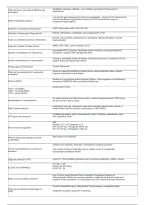
NSG4330 Weeks 1-4 (Resp Failure, ACS, HF, Renal Failure)
Ventilation, perfusion, diffusion - any problems can result in Hypoxemia or
What are the 3 processes of effective gas
Hypercarbia
exchange?
-one of both gas exchanging functions are inadequate - amount of O2 transferred to
blood is insufficient (hypoxemia) or amount of CO2 removed from lungs is
What is Respiratory failure? inadequate (hypercapnia)
Definition of hypoxemic Resp failure? PaO2 <60mmHg on 60% O2 (FiO2 .60)
Definition of hypercapnic Resp failure? PaCO2 >45mmHg in combination with academia pH <7.35
Normal, VQ mismatch, absolute shunt, deadspace, diffusion limitation, alveolar
Types of ventilation-perfusion relationships hypoventilation
Diagnostic studies for Resp failure? ABGs, CXR, CBC, Lytes, Urinalysis, ECG
decreased SPO2, dyspnea, intercostal muscle retraction, prolonged expiration,
Specific manifestations for Hypoxemia tachypnea, cyanosis (late), paradoxical (late)
Dysnpea, decreased minute ventilation, decreased resp rate or increased rate with
Specific manifestations of hypercapnia? shallow resps, decreased tidal volume.
Primary goal of O2 therapy? Correct hypoxemia
Apnea or impending inability to protect airway, acute respiratory failure, severe
What are the indications for mechanical
hypoxia, respiratory muscle fatigue
ventilation?
Sudden and progressive acute respiratory failure - see progressive symptomology,
What is ARDS? worsening PaO2/FiO2 ratio and whiteout/white lung
divide PaO2 / FiO2
<300 = mild ARDS
<200 = moderate ARDS
<100 = severe ARDS
No breath sounds over affected area with or without hyperresonance. CXR shows
Manifestations of pnehmothorax air and or fluid in pleura space.
progressive dyspnea, decreased chest wall movement, pleuritic pain, absent or
S&S of pleural effusion distant breath sounds, dullness on percussion, CXR>250mL
Unilateral leg edema, pain in the extremity, sense of fullness, paresthesia, warm
VTE signs and symptoms skin, ehythema, fever
INR
Normal: 0.75-1.25, therapeutic 2-3
Tests of blood coagulation aPTT 25-35 sec. Therapeutic 46-70 sec
ACT 70-120 sec. Therapeutic >300 sec
ASA (Aspirin) and NSAIDs
PAtients taking anticoagulants should
avoid taking
Classic triad: Dyspnea, chest pain, hemoptysis (coughing up blood)
Clinical manifestations of a pulmonary Also anxiety, feeling of impending doom, sudden onset of unexplained
embolism dyspnea/tachypnea/tachycardia
Diagnostic tests for a PE? spiral CT, V/Q (ventilation perfusion scan), pulmonary angiogram, ABGs, d-dimer
pH 7.35 - 7.45
PaCO2 45-35 mmHg
BLOOD GAS NORMALS HCO3 22 - 26
type of blood vessel disorder that is included in the general category of
atherosclerosis. Affects the coronary arteries by reducing the flow of oxygen and
What is Coronary Artery Disease? nutrients to the myocardium. A consequence of CAD is Acute Coronary Syndrome
Chronic Endothelial Injury, Fatty streaks, Fibrous plaque, complicated lesion
What are the developmental stages of
CAD? Collateral circulation takes time to develop...
MNSG4330
0/13/2026,
NSG4330
1:58:15
Weeks 1-4
AMNSG4330
Weeks
(Resp
1-4
Failure,
(Resp
WeeksACS,
Failure,
1-4HF,
(Resp
ACS,
Renal
Failure,
HF,
Failure)(*((&#*!(*#*($$(*($(*$Y(&*&$(*)&*)((&$*^$&*&$
Renal
ACS,
Failure).pdfPage
HF, Renal Failure)(*((&#*!(*#*($$(*($(*$Y(&*&$(*)&*)((&$*^$&*&$
1 of 810/13/2026, 1:58:15 AMNSG4330
(&*$ **F VJyvhjbnoP+_IREOLKDJ(UWRORWUOI
Weeks 1-4(&*$
(Resp**F
Failure,
VJyvhjbnoP+_IREOLKDJ(UW
ACS, HF, Renal Failur
,MNSG4330
0/13/2026,
Page
1:58:15
Weeks
2 of1-4
AMNSG4330
810/13/2026,
(Resp Failure,
1:58:15
WeeksACS,
1-4
AMNSG4330
HF,
(Resp
Renal
Failure,
Failure)(*((&#*!(*#*($$(*($(*$Y(&*&$(*)&*)((&$*^$&*&$
WeeksACS,
1-4HF,
(Resp
Renal
Failure,
Failure)(*((&#*!(*#*($$(*($(*$Y(&*&$(*)&*)((&$*^$&*&$
ACS, HF, Renal Failure)(*((&#*!(*#*($$(*($(*$Y(&*&$(*)&*)((&$*^$&*&$
(&*$ **F VJyvhjbnoP+_IREOLKDJ(UWRORWUOI
(&*$ **F VJyvhjbnoP+_IREOLKDJ(UW
(&*$ **F VJyvh
NSG4330 Weeks 1-4 (Resp Failure, ACS, HF, Renal Failure)
Antiplatelet therapy (ASA) for most people at risk, preventative behaviours
What is recommended for CAD
prevention?
-Recommended lipid profile begin at age 20 and complete q5 years
-Serum cholesterol >5.2 mmol/L is considered at risk
Cholesterol and hyperlipidemia -Dietary modifications are first-line, pharma therapy (statins, bile acid sequestrants,
cholesterol absorption inhibitors) are second-line
Nitrate therapy to increase coronary blood flow (short-acting nitrates - decreased
SVR, venous pooling and decreases venous return to the heart, reduces cardiac
Drug therapy for chronic stable angina? workload); Long-acting nitrates to reduce incidents of angina attacks
Antiplatelet agent, antianginal therapy, ACE inhibitor, B-blockers, blood pressure,
Major treatments for chronic stable angina
cigarette smoking, cholesterol, diet, diabetes, education, exercise, flu vaccination
(ABCDEF)
Develops when ischemia is prolonged and not immediately reversible. Encompases
a spectrum of unstable angina, non-st-segment-elevation myocardial infaction
(NSTEMI), and ST-segment elevation myocardial infarction (STEMI).
What is acute coronary syndrome?
IMBALANCE of Oxygen supply and demand
-new onset chest pain that occurs at rest or worsening in pattern
Unstable Angina -Fatigue, SOB, indigestion, anxiety
sustained ischemia causing irreversible myocardial cell death.
First in sub endocardium, can develop to the entire thickness of the heart muscle.
MI Location correlates with circulation involved.
severe immobilizing chest pain not relieved by rest, position change or from nitro.
Locations: substernal, retrosternal, epigastric (and may go to nack, jaw, arms, back)
skin ashy, clammy, cool
BP and HR elevated at first but can change
Crackles on auscultation
GI - N&V
classic MI symptoms May have abormal heart sounds
For elderly may have mental status change, dizziness, pulmonary edema, SOB
Coronary angiography, percutaneous coronary intervention, fibrinolytic therapy,
Interventions for patients with ACS CABG surgery, drug therapy
STEMA has pathological Q wave NSTEMI has usually no pathological Q wave
rise 3-12 hrs after MI, peak in 24 hrs, return to normal in 2-3 days.
Serum cardiac markers.... CK levels CK-MB is specific to myocardial cells
Highly specific MI indicator, levels rise as quickly as CK... (3-12 hrs), peak at 24-48
Troponin.... cardiac specific.... (cTnT, cTnI) so a bit later, return to baseline 5-14 days
a diagnostic test for coronary heart disease in which dye is injected so that x-rays
Coronary angiography can reveal any obstructions in the coronary arteries
balloon-tipped catheter is inserted into a coronary artery to open the artery; stents
percutaneous coronary intervention (PCI) are put in place
When to give fibrinolytics IV and within first 6 hours of MI symptoms (ideally first hour) ......watch for bleeding
IV Nitroglycerin - to reduce angina pain, improve coronary blood flow. WATCH BP
What is the initial drug therapy for ACS/MI? Morphine sulphate: vasodilator, decreases cardiac workload, anxiety and fear.
Monitor for BRADYPNEA/HYPOXIA
B-blockers (not for STEMI)
ACE inhibitors (to prevent ventricular remodeling, recommended after anterior wall
MIs or MIs that results in decreased LV function)
Post-MI drugs Cholsterol-lowering drugs
Platelet inhibitors
MNSG4330
0/13/2026,
NSG4330
1:58:15
Weeks 1-4
AMNSG4330
Weeks
(Resp
1-4
Failure,
(Resp
WeeksACS,
Failure,
1-4HF,
(Resp
ACS,
Renal
Failure,
HF,
Failure)(*((&#*!(*#*($$(*($(*$Y(&*&$(*)&*)((&$*^$&*&$
Renal
ACS,
Failure).pdfPage
HF, Renal Failure)(*((&#*!(*#*($$(*($(*$Y(&*&$(*)&*)((&$*^$&*&$
2 of 810/13/2026, 1:58:15 AMNSG4330
(&*$ **F VJyvhjbnoP+_IREOLKDJ(UWRORWUOI
Weeks 1-4(&*$
(Resp**F
Failure,
VJyvhjbnoP+_IREOLKDJ(UW
ACS, HF, Renal Failur
0/13/2026,
Page
1:58:15
Weeks
1 of1-4
AMNSG4330
810/13/2026,
(Resp Failure,
1:58:15
WeeksACS,
1-4
AMNSG4330
HF,
(Resp
Renal
Failure,
Failure)(*((&#*!(*#*($$(*($(*$Y(&*&$(*)&*)((&$*^$&*&$
WeeksACS,
1-4HF,
(Resp
Renal
Failure,
Failure)(*((&#*!(*#*($$(*($(*$Y(&*&$(*)&*)((&$*^$&*&$
ACS, HF, Renal Failure)(*((&#*!(*#*($$(*($(*$Y(&*&$(*)&*)((&$*^$&*&$
(&*$ **F VJyvhjbnoP+_IREOLKDJ(UWRORWUOI
(&*$ **F VJyvhjbnoP+_IREOLKDJ(UW
(&*$ **F VJyvh
NSG4330 Weeks 1-4 (Resp Failure, ACS, HF, Renal Failure)
Ventilation, perfusion, diffusion - any problems can result in Hypoxemia or
What are the 3 processes of effective gas
Hypercarbia
exchange?
-one of both gas exchanging functions are inadequate - amount of O2 transferred to
blood is insufficient (hypoxemia) or amount of CO2 removed from lungs is
What is Respiratory failure? inadequate (hypercapnia)
Definition of hypoxemic Resp failure? PaO2 <60mmHg on 60% O2 (FiO2 .60)
Definition of hypercapnic Resp failure? PaCO2 >45mmHg in combination with academia pH <7.35
Normal, VQ mismatch, absolute shunt, deadspace, diffusion limitation, alveolar
Types of ventilation-perfusion relationships hypoventilation
Diagnostic studies for Resp failure? ABGs, CXR, CBC, Lytes, Urinalysis, ECG
decreased SPO2, dyspnea, intercostal muscle retraction, prolonged expiration,
Specific manifestations for Hypoxemia tachypnea, cyanosis (late), paradoxical (late)
Dysnpea, decreased minute ventilation, decreased resp rate or increased rate with
Specific manifestations of hypercapnia? shallow resps, decreased tidal volume.
Primary goal of O2 therapy? Correct hypoxemia
Apnea or impending inability to protect airway, acute respiratory failure, severe
What are the indications for mechanical
hypoxia, respiratory muscle fatigue
ventilation?
Sudden and progressive acute respiratory failure - see progressive symptomology,
What is ARDS? worsening PaO2/FiO2 ratio and whiteout/white lung
divide PaO2 / FiO2
<300 = mild ARDS
<200 = moderate ARDS
<100 = severe ARDS
No breath sounds over affected area with or without hyperresonance. CXR shows
Manifestations of pnehmothorax air and or fluid in pleura space.
progressive dyspnea, decreased chest wall movement, pleuritic pain, absent or
S&S of pleural effusion distant breath sounds, dullness on percussion, CXR>250mL
Unilateral leg edema, pain in the extremity, sense of fullness, paresthesia, warm
VTE signs and symptoms skin, ehythema, fever
INR
Normal: 0.75-1.25, therapeutic 2-3
Tests of blood coagulation aPTT 25-35 sec. Therapeutic 46-70 sec
ACT 70-120 sec. Therapeutic >300 sec
ASA (Aspirin) and NSAIDs
PAtients taking anticoagulants should
avoid taking
Classic triad: Dyspnea, chest pain, hemoptysis (coughing up blood)
Clinical manifestations of a pulmonary Also anxiety, feeling of impending doom, sudden onset of unexplained
embolism dyspnea/tachypnea/tachycardia
Diagnostic tests for a PE? spiral CT, V/Q (ventilation perfusion scan), pulmonary angiogram, ABGs, d-dimer
pH 7.35 - 7.45
PaCO2 45-35 mmHg
BLOOD GAS NORMALS HCO3 22 - 26
type of blood vessel disorder that is included in the general category of
atherosclerosis. Affects the coronary arteries by reducing the flow of oxygen and
What is Coronary Artery Disease? nutrients to the myocardium. A consequence of CAD is Acute Coronary Syndrome
Chronic Endothelial Injury, Fatty streaks, Fibrous plaque, complicated lesion
What are the developmental stages of
CAD? Collateral circulation takes time to develop...
MNSG4330
0/13/2026,
NSG4330
1:58:15
Weeks 1-4
AMNSG4330
Weeks
(Resp
1-4
Failure,
(Resp
WeeksACS,
Failure,
1-4HF,
(Resp
ACS,
Renal
Failure,
HF,
Failure)(*((&#*!(*#*($$(*($(*$Y(&*&$(*)&*)((&$*^$&*&$
Renal
ACS,
Failure).pdfPage
HF, Renal Failure)(*((&#*!(*#*($$(*($(*$Y(&*&$(*)&*)((&$*^$&*&$
1 of 810/13/2026, 1:58:15 AMNSG4330
(&*$ **F VJyvhjbnoP+_IREOLKDJ(UWRORWUOI
Weeks 1-4(&*$
(Resp**F
Failure,
VJyvhjbnoP+_IREOLKDJ(UW
ACS, HF, Renal Failur
,MNSG4330
0/13/2026,
Page
1:58:15
Weeks
2 of1-4
AMNSG4330
810/13/2026,
(Resp Failure,
1:58:15
WeeksACS,
1-4
AMNSG4330
HF,
(Resp
Renal
Failure,
Failure)(*((&#*!(*#*($$(*($(*$Y(&*&$(*)&*)((&$*^$&*&$
WeeksACS,
1-4HF,
(Resp
Renal
Failure,
Failure)(*((&#*!(*#*($$(*($(*$Y(&*&$(*)&*)((&$*^$&*&$
ACS, HF, Renal Failure)(*((&#*!(*#*($$(*($(*$Y(&*&$(*)&*)((&$*^$&*&$
(&*$ **F VJyvhjbnoP+_IREOLKDJ(UWRORWUOI
(&*$ **F VJyvhjbnoP+_IREOLKDJ(UW
(&*$ **F VJyvh
NSG4330 Weeks 1-4 (Resp Failure, ACS, HF, Renal Failure)
Antiplatelet therapy (ASA) for most people at risk, preventative behaviours
What is recommended for CAD
prevention?
-Recommended lipid profile begin at age 20 and complete q5 years
-Serum cholesterol >5.2 mmol/L is considered at risk
Cholesterol and hyperlipidemia -Dietary modifications are first-line, pharma therapy (statins, bile acid sequestrants,
cholesterol absorption inhibitors) are second-line
Nitrate therapy to increase coronary blood flow (short-acting nitrates - decreased
SVR, venous pooling and decreases venous return to the heart, reduces cardiac
Drug therapy for chronic stable angina? workload); Long-acting nitrates to reduce incidents of angina attacks
Antiplatelet agent, antianginal therapy, ACE inhibitor, B-blockers, blood pressure,
Major treatments for chronic stable angina
cigarette smoking, cholesterol, diet, diabetes, education, exercise, flu vaccination
(ABCDEF)
Develops when ischemia is prolonged and not immediately reversible. Encompases
a spectrum of unstable angina, non-st-segment-elevation myocardial infaction
(NSTEMI), and ST-segment elevation myocardial infarction (STEMI).
What is acute coronary syndrome?
IMBALANCE of Oxygen supply and demand
-new onset chest pain that occurs at rest or worsening in pattern
Unstable Angina -Fatigue, SOB, indigestion, anxiety
sustained ischemia causing irreversible myocardial cell death.
First in sub endocardium, can develop to the entire thickness of the heart muscle.
MI Location correlates with circulation involved.
severe immobilizing chest pain not relieved by rest, position change or from nitro.
Locations: substernal, retrosternal, epigastric (and may go to nack, jaw, arms, back)
skin ashy, clammy, cool
BP and HR elevated at first but can change
Crackles on auscultation
GI - N&V
classic MI symptoms May have abormal heart sounds
For elderly may have mental status change, dizziness, pulmonary edema, SOB
Coronary angiography, percutaneous coronary intervention, fibrinolytic therapy,
Interventions for patients with ACS CABG surgery, drug therapy
STEMA has pathological Q wave NSTEMI has usually no pathological Q wave
rise 3-12 hrs after MI, peak in 24 hrs, return to normal in 2-3 days.
Serum cardiac markers.... CK levels CK-MB is specific to myocardial cells
Highly specific MI indicator, levels rise as quickly as CK... (3-12 hrs), peak at 24-48
Troponin.... cardiac specific.... (cTnT, cTnI) so a bit later, return to baseline 5-14 days
a diagnostic test for coronary heart disease in which dye is injected so that x-rays
Coronary angiography can reveal any obstructions in the coronary arteries
balloon-tipped catheter is inserted into a coronary artery to open the artery; stents
percutaneous coronary intervention (PCI) are put in place
When to give fibrinolytics IV and within first 6 hours of MI symptoms (ideally first hour) ......watch for bleeding
IV Nitroglycerin - to reduce angina pain, improve coronary blood flow. WATCH BP
What is the initial drug therapy for ACS/MI? Morphine sulphate: vasodilator, decreases cardiac workload, anxiety and fear.
Monitor for BRADYPNEA/HYPOXIA
B-blockers (not for STEMI)
ACE inhibitors (to prevent ventricular remodeling, recommended after anterior wall
MIs or MIs that results in decreased LV function)
Post-MI drugs Cholsterol-lowering drugs
Platelet inhibitors
MNSG4330
0/13/2026,
NSG4330
1:58:15
Weeks 1-4
AMNSG4330
Weeks
(Resp
1-4
Failure,
(Resp
WeeksACS,
Failure,
1-4HF,
(Resp
ACS,
Renal
Failure,
HF,
Failure)(*((&#*!(*#*($$(*($(*$Y(&*&$(*)&*)((&$*^$&*&$
Renal
ACS,
Failure).pdfPage
HF, Renal Failure)(*((&#*!(*#*($$(*($(*$Y(&*&$(*)&*)((&$*^$&*&$
2 of 810/13/2026, 1:58:15 AMNSG4330
(&*$ **F VJyvhjbnoP+_IREOLKDJ(UWRORWUOI
Weeks 1-4(&*$
(Resp**F
Failure,
VJyvhjbnoP+_IREOLKDJ(UW
ACS, HF, Renal Failur

