uctor
y 2018_md.docx*!@^#T&^TEV&^^R%^R^E&^UGS&^EFS*&S@(*EOILKSN@>(*AP®
Solution
10/6/2026,
Manual3:31:26
Part 2 -AM)))____________AP®
Updated February 2018_md.docx*!@^#T&^TEV&^^R%^R^E&^UGS&^EFS*&S@(*EOILKSN@>(*AP®
Biology Instructor Solution Manual
Biology
Part Instructor
2 - UpdatedSolution
February
Manual
2018_md.docx*!@^#T&^TEV&^^R%^R^E&^UGS&^EFS
Part 2 - Updated
Biology
February
Instructor
2018_md.docx
Solution Manual Part
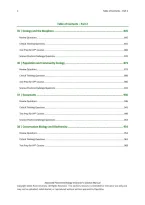
ii Table of Contents – Part 2
Table of Contents – Part 2
35 | Ecology and the Biosphere ......................................................................................... 845
Review Questions ..................................................................................................................................................845
Critical Thinking Questions ....................................................................................................................................855
Test Prep for AP® Courses .....................................................................................................................................866
Science Practice Challenge Questions ...................................................................................................................870
36 | Population and Community Ecology ........................................................................... 873
Review Questions ..................................................................................................................................................873
Critical Thinking Questions ....................................................................................................................................888
Test Prep for AP® Courses .....................................................................................................................................906
Science Practice Challenge Questions ...................................................................................................................931
37 | Ecosystems ................................................................................................................ 936
Review Questions ..................................................................................................................................................936
Critical Thinking Questions ....................................................................................................................................941
Test Prep for AP® Courses .....................................................................................................................................946
Science Practice Challenge Questions ...................................................................................................................952
38 | Conservation Biology and Biodiversity ........................................................................ 954
Review Questions ..................................................................................................................................................954
Critical Thinking Questions ....................................................................................................................................961
Test Prep for AP® Courses .....................................................................................................................................968
Advanced Placement Biology Instructor’s Solution Manual
Copyright 2018, Rice University. All Rights Reserved. This ancillary resource is intended for instructor use only and
may not be uploaded, redistributed, or reproduced without written approval by OpenStax.
docx)))____________AP®
y 2018_md.docx*!@^#T&^TEV&^^R%^R^E&^UGS&^EFS*&S@(*EOILKSN@>(*AP®
)))____________AP®
Biology
Biology
Instructor
Instructor
Solution
Solution
Manual
Manual
Part 2
Part
- Updated
2 - Updated
February
February
Biology
2018_md.docx*!@^#T&^TEV&^^R%^R^E&^UGS&^EFS*&S@(*EOILKSN@>(*APÂ
2018_md.docx*!@^#T&^TEV&^^R%^R^E&^UGS&^EFS*&S@(*EOILKSN@>(
Instructor Solution Manual Part 2 - Updated February 2018_md.docx
,uctor
y 2018_md.docx*!@^#T&^TEV&^^R%^R^E&^UGS&^EFS*&S@(*EOILKSN@>(*AP®
Solution
10/6/2026,
Manual3:31:26
Part 2 -AM)))____________AP®
Updated February 2018_md.docx*!@^#T&^TEV&^^R%^R^E&^UGS&^EFS*&S@(*EOILKSN@>(*AP®
Biology Instructor Solution Manual
Biology
Part Instructor
2 - UpdatedSolution
February
Manual
2018_md.docx*!@^#T&^TEV&^^R%^R^E&^UGS&^EFS
Part 2 - Updated
Biology
February
Instructor
2018_md.docx
Solution Manual Part
35 | Ecology and the Biosphere 845
35 | ECOLOGY AND THE BIOSPHERE
REVIEW QUESTIONS
1 C, H, O, and N are nutrients that cycle through Earth in different forms. Which level of
ecology includes the study of nutrient cycling though the environment?
A Organismal ecology
B Population ecology
C Community ecology
D Ecosystem ecology
Solution The solution is (D). Ecosystem ecology is the study of interactions of abiotic (nutrient
cycling) and biotic factors.
2 What is arranged from least inclusive to most inclusive?
A Population > ecosystem > community > biosphere
B Ecosystem < population < biosphere < community
C Biosphere < ecosystem < community < population
D Population < community < ecosystem < biosphere
Solution The solution is (D). Biosphere includes all of the other levels of biological
organization in a sequential order. Populations form a community, a community is
part of the ecosystem, and the biosphere includes population, community, and
ecosystem.
3 An ecologist is studying the ways that patterns on the wings of an endangered butterfly
species allow it to escape predators such as birds. This is an example of —
A mimicry
B organismal ecology
C mutualism
D community ecology
Solution The solution is (B). Organismal ecology is a study of a particular type of organism,
such as the butterfly in this case.
4 Each year, Lake Michigan beach visitors are warned of possible exposure to E. coli, which
can cause illness. To understand how both biotic and abiotic environmental conditions
affect the risk of E. coli abundance, which type of individual should an infectious disease
specialist collaborate with?
A An ecosystem ecologist
B A podiatrist
Advanced Placement Biology Instructor’s Solution Manual
docx)))____________AP®
y 2018_md.docx*!@^#T&^TEV&^^R%^R^E&^UGS&^EFS*&S@(*EOILKSN@>(*AP®
)))____________AP®
Biology
Biology
Instructor
Instructor
Solution
Solution
Manual
Manual
Part 2
Part
- Updated
2 - Updated
February
February
Biology
2018_md.docx*!@^#T&^TEV&^^R%^R^E&^UGS&^EFS*&S@(*EOILKSN@>(*APÂ
2018_md.docx*!@^#T&^TEV&^^R%^R^E&^UGS&^EFS*&S@(*EOILKSN@>(
Instructor Solution Manual Part 2 - Updated February 2018_md.docx
,uctor
y 2018_md.docx*!@^#T&^TEV&^^R%^R^E&^UGS&^EFS*&S@(*EOILKSN@>(*AP®
Solution
10/6/2026,
Manual3:31:26
Part 2 -AM)))____________AP®
Updated February 2018_md.docx*!@^#T&^TEV&^^R%^R^E&^UGS&^EFS*&S@(*EOILKSN@>(*AP®
Biology Instructor Solution Manual
Biology
Part Instructor
2 - UpdatedSolution
February
Manual
2018_md.docx*!@^#T&^TEV&^^R%^R^E&^UGS&^EFS
Part 2 - Updated
Biology
February
Instructor
2018_md.docx
Solution Manual Part
846 35 | Ecology and the Biosphere
C A community ecologist
D A population ecologist
Solution The solution is (A). He would collaborate with an ecosystem ecologist, who studies
the interaction of biotic and abiotic factors.
5 Some bacterial species can use nitrogen directly from the atmosphere. In their ecosystem,
the bacteria are a(n) —
A biotic factor
B abiotic factor
C infectious factor
D symbiotic partner
Solution The solution is (A). Bacterial species are living, so they are biotic factors.
6 Photosynthetic organisms are important to most ecosystems because they —
A synthesize organic compounds that they obtain from decaying heterotrophs
B can use carbon dioxide and sunlight and synthesize their own food
C use wind energy to synthesize organic compounds
D synthesize inorganic compounds from organic compounds
Solution The solution is (B). Plants are primary producers and use carbon dioxide and sunlight
to synthesize glucose.
7 What does study of population ecology focus on?
A The number of individuals of one species in an area and how and why that number
changes over time
B The processes driving interactions within and among different species within an area
C The adaptations that enable individuals to live in specific habitats
D Plants and animals living in an enclosed area
Solution The solution is (A). Population ecology focuses on a population, a group of
interbreeding organisms living in the same area at the same time.
8 The study of the effect of abiotic factors such as rain and temperature on the distribution
of living organisms is known as —
A community ecology
B biogeography
C ecosystem
D geography
Advanced Placement Biology Instructor’s Solution Manual
Copyright 2018, Rice University. All Rights Reserved. This ancillary resource is intended for instructor use only and
may not be uploaded, redistributed, or reproduced without written approval by OpenStax.
docx)))____________AP®
y 2018_md.docx*!@^#T&^TEV&^^R%^R^E&^UGS&^EFS*&S@(*EOILKSN@>(*AP®
)))____________AP®
Biology
Biology
Instructor
Instructor
Solution
Solution
Manual
Manual
Part 2
Part
- Updated
2 - Updated
February
February
Biology
2018_md.docx*!@^#T&^TEV&^^R%^R^E&^UGS&^EFS*&S@(*EOILKSN@>(*APÂ
2018_md.docx*!@^#T&^TEV&^^R%^R^E&^UGS&^EFS*&S@(*EOILKSN@>(
Instructor Solution Manual Part 2 - Updated February 2018_md.docx
,uctor
y 2018_md.docx*!@^#T&^TEV&^^R%^R^E&^UGS&^EFS*&S@(*EOILKSN@>(*AP®
Solution
10/6/2026,
Manual3:31:26
Part 2 -AM)))____________AP®
Updated February 2018_md.docx*!@^#T&^TEV&^^R%^R^E&^UGS&^EFS*&S@(*EOILKSN@>(*AP®
Biology Instructor Solution Manual
Biology
Part Instructor
2 - UpdatedSolution
February
Manual
2018_md.docx*!@^#T&^TEV&^^R%^R^E&^UGS&^EFS
Part 2 - Updated
Biology
February
Instructor
2018_md.docx
Solution Manual Part
35 | Ecology and the Biosphere 847
Solution The solution is (B). Biogeography is the study of how abiotic factors such as rainfall
and temperature affect the flora and fauna of a region.
9 Individuals within a single species of pine tree are often found in different geographical
locations in North America and Canada. Why?
A They were not separated geographically over millions of years and did not evolve to
become different species.
B Plant breeders carried seeds to different areas.
C Pollen from pine trees traveled to distant locations.
D Pine tree species were present widely and died out in some areas.
Solution The solution is (A). Pine trees were not separated geographically and did not evolve
to be different species.
10 An ecologist hiking up a mountain may notice different biomes along the way due to
changes in all of the following except —
A elevation
B rainfall
C latitude
D temperature
Solution The solution is (C). Latitude remains the same as the ecologist climbs up the
mountain.
11 Temperate forests have plants of varying sizes. In this particular environment, understory
plants in a temperate forest are notable for adaptations to capture limited —
A water
B nutrients
C heat
D sunlight
Solution The solution is (D). Sunlight is a limiting factor because understory plants are
covered with a canopy.
12 Which body of water lacks temperature stratification?
A Estuaries
B Lakes
C Seas
D Oceans
Solution The solution is (A). Temperature stratification does not take place in estuaries.
Advanced Placement Biology Instructor’s Solution Manual
docx)))____________AP®
y 2018_md.docx*!@^#T&^TEV&^^R%^R^E&^UGS&^EFS*&S@(*EOILKSN@>(*AP®
)))____________AP®
Biology
Biology
Instructor
Instructor
Solution
Solution
Manual
Manual
Part 2
Part
- Updated
2 - Updated
February
February
Biology
2018_md.docx*!@^#T&^TEV&^^R%^R^E&^UGS&^EFS*&S@(*EOILKSN@>(*APÂ
2018_md.docx*!@^#T&^TEV&^^R%^R^E&^UGS&^EFS*&S@(*EOILKSN@>(
Instructor Solution Manual Part 2 - Updated February 2018_md.docx
y 2018_md.docx*!@^#T&^TEV&^^R%^R^E&^UGS&^EFS*&S@(*EOILKSN@>(*AP®
Solution
10/6/2026,
Manual3:31:26
Part 2 -AM)))____________AP®
Updated February 2018_md.docx*!@^#T&^TEV&^^R%^R^E&^UGS&^EFS*&S@(*EOILKSN@>(*AP®
Biology Instructor Solution Manual
Biology
Part Instructor
2 - UpdatedSolution
February
Manual
2018_md.docx*!@^#T&^TEV&^^R%^R^E&^UGS&^EFS
Part 2 - Updated
Biology
February
Instructor
2018_md.docx
Solution Manual Part
ii Table of Contents – Part 2
Table of Contents – Part 2
35 | Ecology and the Biosphere ......................................................................................... 845
Review Questions ..................................................................................................................................................845
Critical Thinking Questions ....................................................................................................................................855
Test Prep for AP® Courses .....................................................................................................................................866
Science Practice Challenge Questions ...................................................................................................................870
36 | Population and Community Ecology ........................................................................... 873
Review Questions ..................................................................................................................................................873
Critical Thinking Questions ....................................................................................................................................888
Test Prep for AP® Courses .....................................................................................................................................906
Science Practice Challenge Questions ...................................................................................................................931
37 | Ecosystems ................................................................................................................ 936
Review Questions ..................................................................................................................................................936
Critical Thinking Questions ....................................................................................................................................941
Test Prep for AP® Courses .....................................................................................................................................946
Science Practice Challenge Questions ...................................................................................................................952
38 | Conservation Biology and Biodiversity ........................................................................ 954
Review Questions ..................................................................................................................................................954
Critical Thinking Questions ....................................................................................................................................961
Test Prep for AP® Courses .....................................................................................................................................968
Advanced Placement Biology Instructor’s Solution Manual
Copyright 2018, Rice University. All Rights Reserved. This ancillary resource is intended for instructor use only and
may not be uploaded, redistributed, or reproduced without written approval by OpenStax.
docx)))____________AP®
y 2018_md.docx*!@^#T&^TEV&^^R%^R^E&^UGS&^EFS*&S@(*EOILKSN@>(*AP®
)))____________AP®
Biology
Biology
Instructor
Instructor
Solution
Solution
Manual
Manual
Part 2
Part
- Updated
2 - Updated
February
February
Biology
2018_md.docx*!@^#T&^TEV&^^R%^R^E&^UGS&^EFS*&S@(*EOILKSN@>(*APÂ
2018_md.docx*!@^#T&^TEV&^^R%^R^E&^UGS&^EFS*&S@(*EOILKSN@>(
Instructor Solution Manual Part 2 - Updated February 2018_md.docx
,uctor
y 2018_md.docx*!@^#T&^TEV&^^R%^R^E&^UGS&^EFS*&S@(*EOILKSN@>(*AP®
Solution
10/6/2026,
Manual3:31:26
Part 2 -AM)))____________AP®
Updated February 2018_md.docx*!@^#T&^TEV&^^R%^R^E&^UGS&^EFS*&S@(*EOILKSN@>(*AP®
Biology Instructor Solution Manual
Biology
Part Instructor
2 - UpdatedSolution
February
Manual
2018_md.docx*!@^#T&^TEV&^^R%^R^E&^UGS&^EFS
Part 2 - Updated
Biology
February
Instructor
2018_md.docx
Solution Manual Part
35 | Ecology and the Biosphere 845
35 | ECOLOGY AND THE BIOSPHERE
REVIEW QUESTIONS
1 C, H, O, and N are nutrients that cycle through Earth in different forms. Which level of
ecology includes the study of nutrient cycling though the environment?
A Organismal ecology
B Population ecology
C Community ecology
D Ecosystem ecology
Solution The solution is (D). Ecosystem ecology is the study of interactions of abiotic (nutrient
cycling) and biotic factors.
2 What is arranged from least inclusive to most inclusive?
A Population > ecosystem > community > biosphere
B Ecosystem < population < biosphere < community
C Biosphere < ecosystem < community < population
D Population < community < ecosystem < biosphere
Solution The solution is (D). Biosphere includes all of the other levels of biological
organization in a sequential order. Populations form a community, a community is
part of the ecosystem, and the biosphere includes population, community, and
ecosystem.
3 An ecologist is studying the ways that patterns on the wings of an endangered butterfly
species allow it to escape predators such as birds. This is an example of —
A mimicry
B organismal ecology
C mutualism
D community ecology
Solution The solution is (B). Organismal ecology is a study of a particular type of organism,
such as the butterfly in this case.
4 Each year, Lake Michigan beach visitors are warned of possible exposure to E. coli, which
can cause illness. To understand how both biotic and abiotic environmental conditions
affect the risk of E. coli abundance, which type of individual should an infectious disease
specialist collaborate with?
A An ecosystem ecologist
B A podiatrist
Advanced Placement Biology Instructor’s Solution Manual
docx)))____________AP®
y 2018_md.docx*!@^#T&^TEV&^^R%^R^E&^UGS&^EFS*&S@(*EOILKSN@>(*AP®
)))____________AP®
Biology
Biology
Instructor
Instructor
Solution
Solution
Manual
Manual
Part 2
Part
- Updated
2 - Updated
February
February
Biology
2018_md.docx*!@^#T&^TEV&^^R%^R^E&^UGS&^EFS*&S@(*EOILKSN@>(*APÂ
2018_md.docx*!@^#T&^TEV&^^R%^R^E&^UGS&^EFS*&S@(*EOILKSN@>(
Instructor Solution Manual Part 2 - Updated February 2018_md.docx
,uctor
y 2018_md.docx*!@^#T&^TEV&^^R%^R^E&^UGS&^EFS*&S@(*EOILKSN@>(*AP®
Solution
10/6/2026,
Manual3:31:26
Part 2 -AM)))____________AP®
Updated February 2018_md.docx*!@^#T&^TEV&^^R%^R^E&^UGS&^EFS*&S@(*EOILKSN@>(*AP®
Biology Instructor Solution Manual
Biology
Part Instructor
2 - UpdatedSolution
February
Manual
2018_md.docx*!@^#T&^TEV&^^R%^R^E&^UGS&^EFS
Part 2 - Updated
Biology
February
Instructor
2018_md.docx
Solution Manual Part
846 35 | Ecology and the Biosphere
C A community ecologist
D A population ecologist
Solution The solution is (A). He would collaborate with an ecosystem ecologist, who studies
the interaction of biotic and abiotic factors.
5 Some bacterial species can use nitrogen directly from the atmosphere. In their ecosystem,
the bacteria are a(n) —
A biotic factor
B abiotic factor
C infectious factor
D symbiotic partner
Solution The solution is (A). Bacterial species are living, so they are biotic factors.
6 Photosynthetic organisms are important to most ecosystems because they —
A synthesize organic compounds that they obtain from decaying heterotrophs
B can use carbon dioxide and sunlight and synthesize their own food
C use wind energy to synthesize organic compounds
D synthesize inorganic compounds from organic compounds
Solution The solution is (B). Plants are primary producers and use carbon dioxide and sunlight
to synthesize glucose.
7 What does study of population ecology focus on?
A The number of individuals of one species in an area and how and why that number
changes over time
B The processes driving interactions within and among different species within an area
C The adaptations that enable individuals to live in specific habitats
D Plants and animals living in an enclosed area
Solution The solution is (A). Population ecology focuses on a population, a group of
interbreeding organisms living in the same area at the same time.
8 The study of the effect of abiotic factors such as rain and temperature on the distribution
of living organisms is known as —
A community ecology
B biogeography
C ecosystem
D geography
Advanced Placement Biology Instructor’s Solution Manual
Copyright 2018, Rice University. All Rights Reserved. This ancillary resource is intended for instructor use only and
may not be uploaded, redistributed, or reproduced without written approval by OpenStax.
docx)))____________AP®
y 2018_md.docx*!@^#T&^TEV&^^R%^R^E&^UGS&^EFS*&S@(*EOILKSN@>(*AP®
)))____________AP®
Biology
Biology
Instructor
Instructor
Solution
Solution
Manual
Manual
Part 2
Part
- Updated
2 - Updated
February
February
Biology
2018_md.docx*!@^#T&^TEV&^^R%^R^E&^UGS&^EFS*&S@(*EOILKSN@>(*APÂ
2018_md.docx*!@^#T&^TEV&^^R%^R^E&^UGS&^EFS*&S@(*EOILKSN@>(
Instructor Solution Manual Part 2 - Updated February 2018_md.docx
,uctor
y 2018_md.docx*!@^#T&^TEV&^^R%^R^E&^UGS&^EFS*&S@(*EOILKSN@>(*AP®
Solution
10/6/2026,
Manual3:31:26
Part 2 -AM)))____________AP®
Updated February 2018_md.docx*!@^#T&^TEV&^^R%^R^E&^UGS&^EFS*&S@(*EOILKSN@>(*AP®
Biology Instructor Solution Manual
Biology
Part Instructor
2 - UpdatedSolution
February
Manual
2018_md.docx*!@^#T&^TEV&^^R%^R^E&^UGS&^EFS
Part 2 - Updated
Biology
February
Instructor
2018_md.docx
Solution Manual Part
35 | Ecology and the Biosphere 847
Solution The solution is (B). Biogeography is the study of how abiotic factors such as rainfall
and temperature affect the flora and fauna of a region.
9 Individuals within a single species of pine tree are often found in different geographical
locations in North America and Canada. Why?
A They were not separated geographically over millions of years and did not evolve to
become different species.
B Plant breeders carried seeds to different areas.
C Pollen from pine trees traveled to distant locations.
D Pine tree species were present widely and died out in some areas.
Solution The solution is (A). Pine trees were not separated geographically and did not evolve
to be different species.
10 An ecologist hiking up a mountain may notice different biomes along the way due to
changes in all of the following except —
A elevation
B rainfall
C latitude
D temperature
Solution The solution is (C). Latitude remains the same as the ecologist climbs up the
mountain.
11 Temperate forests have plants of varying sizes. In this particular environment, understory
plants in a temperate forest are notable for adaptations to capture limited —
A water
B nutrients
C heat
D sunlight
Solution The solution is (D). Sunlight is a limiting factor because understory plants are
covered with a canopy.
12 Which body of water lacks temperature stratification?
A Estuaries
B Lakes
C Seas
D Oceans
Solution The solution is (A). Temperature stratification does not take place in estuaries.
Advanced Placement Biology Instructor’s Solution Manual
docx)))____________AP®
y 2018_md.docx*!@^#T&^TEV&^^R%^R^E&^UGS&^EFS*&S@(*EOILKSN@>(*AP®
)))____________AP®
Biology
Biology
Instructor
Instructor
Solution
Solution
Manual
Manual
Part 2
Part
- Updated
2 - Updated
February
February
Biology
2018_md.docx*!@^#T&^TEV&^^R%^R^E&^UGS&^EFS*&S@(*EOILKSN@>(*APÂ
2018_md.docx*!@^#T&^TEV&^^R%^R^E&^UGS&^EFS*&S@(*EOILKSN@>(
Instructor Solution Manual Part 2 - Updated February 2018_md.docx