

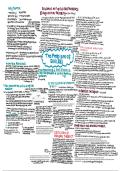
while the evidential problem uses the amount and severity of evil
as inductive evidence that God's existence is simply highly
improbable
The logical problem of evil claims that God's
existence is conceptually impossible in a world with
evil. In contrast, the evidential problem argues that,
while logically possible, the amount and type of evil
makes God's existence highly improbable
• Hick saw the world as a place where our characters and souls are shaped
• Evil and suffering are not an unfortunate accident but a part of God's loving plan to help us
grow into a free relationship with him
• These theodicies could be comforting to those who suffer because
they suggest that there is a plan and it will turn out well in the end • Through tackling challenges and hardships we can learn to turn to God through free choice
• We can relate to the idea that facing challenges helps us to develop • Hick thought that after death, we continue in our spiritual journeys towards a free choice for God, and this option is open to
people of any belief.
as inductive evidence that God's existence is simply highly
improbable
The logical problem of evil claims that God's
existence is conceptually impossible in a world with
evil. In contrast, the evidential problem argues that,
while logically possible, the amount and type of evil
makes God's existence highly improbable
• Hick saw the world as a place where our characters and souls are shaped
• Evil and suffering are not an unfortunate accident but a part of God's loving plan to help us
grow into a free relationship with him
• These theodicies could be comforting to those who suffer because
they suggest that there is a plan and it will turn out well in the end • Through tackling challenges and hardships we can learn to turn to God through free choice
• We can relate to the idea that facing challenges helps us to develop • Hick thought that after death, we continue in our spiritual journeys towards a free choice for God, and this option is open to
people of any belief.

