

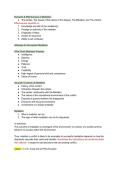
Elements & Effectiveness of Mediation
● The parties; The Issues of the nature of the dispute; The Mediator, and The context
Effectiveness depends on:
1. Knowledge and skill of the mediator(s)
2. Prestige or authority of the mediator
3. Originality of Ideas
4. Access to resources
5. Ability to act unobtuary
Attributes for Successful Mediation
What Good Mediators Possess
● Intelligence
● Stamina
● Energy
● Patience
● Trust
● Credibility
● High degree of personal skill and competence
● Sense of humor
Important Contexts of Mediation
● History of the conflict
● Interaction between the parties
● The parties’ relationship with the Mediator
● The nature of the international environment of the conflict
● Disparity of powers between the antagonists
● Economic and social environments
● Involvement of a biased mediator
Mediation
1. What a mediator can do
2. The logic of what meditation can do for disputants
In summary:
The outcome of mediation is contingent of the environment, or context, of a conflict and the
behavior or process within the environment
Thus, whether a conflict is likely to be amenable to successful mediation depends on how the
disputants calculate their costs and benefits. Sometimes the calculations are emotional rather
than rational - a recipe for bad decisions that can prolong conflict.
Cases: (1) U.S.-Cuba and (2) Peru-Ecuador
● The parties; The Issues of the nature of the dispute; The Mediator, and The context
Effectiveness depends on:
1. Knowledge and skill of the mediator(s)
2. Prestige or authority of the mediator
3. Originality of Ideas
4. Access to resources
5. Ability to act unobtuary
Attributes for Successful Mediation
What Good Mediators Possess
● Intelligence
● Stamina
● Energy
● Patience
● Trust
● Credibility
● High degree of personal skill and competence
● Sense of humor
Important Contexts of Mediation
● History of the conflict
● Interaction between the parties
● The parties’ relationship with the Mediator
● The nature of the international environment of the conflict
● Disparity of powers between the antagonists
● Economic and social environments
● Involvement of a biased mediator
Mediation
1. What a mediator can do
2. The logic of what meditation can do for disputants
In summary:
The outcome of mediation is contingent of the environment, or context, of a conflict and the
behavior or process within the environment
Thus, whether a conflict is likely to be amenable to successful mediation depends on how the
disputants calculate their costs and benefits. Sometimes the calculations are emotional rather
than rational - a recipe for bad decisions that can prolong conflict.
Cases: (1) U.S.-Cuba and (2) Peru-Ecuador

