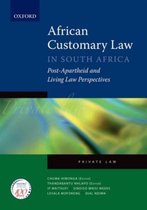
, IND2601 Assignment 1 (COMPLETE ANSWERS) Semester
2 2026 - DUE 17 August 2026; 100% Correct solutions and
explanations.
QUESTION 1
Discuss the implications of section 211(3) of the Constitution of the Republic of
South Africa, 1996 for the recognition of customary law in South Africa.
Section 211(3) of the Constitution of the Republic of South Africa, 1996 is one of the
most important constitutional provisions governing the status and application of
customary law in South Africa. Before the adoption of the Constitution, customary
law occupied a subordinate position within the South African legal system. During the
colonial and apartheid eras, indigenous African law was often regarded as inferior to
the common law inherited from Roman-Dutch and English legal traditions. Courts
frequently refused to recognise customary law unless it complied with the so-called
"repugnancy clause", which required customary rules to conform to Western notions
of justice and public policy. The Constitution fundamentally transformed this position
by recognising customary law as an independent and equal component of South
African law, deserving the same constitutional respect as the common law, provided
that it is consistent with the Constitution.<sup>1</sup>
Section 211(3) provides that:
"The courts must apply customary law when that law is applicable, subject to the
Constitution and any legislation that specifically deals with customary
law."<sup>2</sup>
This provision has significant implications for the development, recognition and
application of customary law. It establishes customary law as a legitimate source of
law, requires courts to apply it where appropriate, and ensures that its development
takes place within the framework of constitutional values such as equality, dignity and
human rights.
One of the principal implications of section 211(3) is that customary law enjoys
constitutional recognition as part of South Africa's plural legal system. South Africa
follows a system of legal pluralism in which common law, customary law and
legislation operate alongside one another. The Constitution no longer treats customary
law as an inferior legal system but instead places it on an equal footing with the
common law. This constitutional recognition acknowledges the cultural diversity of
2 2026 - DUE 17 August 2026; 100% Correct solutions and
explanations.
QUESTION 1
Discuss the implications of section 211(3) of the Constitution of the Republic of
South Africa, 1996 for the recognition of customary law in South Africa.
Section 211(3) of the Constitution of the Republic of South Africa, 1996 is one of the
most important constitutional provisions governing the status and application of
customary law in South Africa. Before the adoption of the Constitution, customary
law occupied a subordinate position within the South African legal system. During the
colonial and apartheid eras, indigenous African law was often regarded as inferior to
the common law inherited from Roman-Dutch and English legal traditions. Courts
frequently refused to recognise customary law unless it complied with the so-called
"repugnancy clause", which required customary rules to conform to Western notions
of justice and public policy. The Constitution fundamentally transformed this position
by recognising customary law as an independent and equal component of South
African law, deserving the same constitutional respect as the common law, provided
that it is consistent with the Constitution.<sup>1</sup>
Section 211(3) provides that:
"The courts must apply customary law when that law is applicable, subject to the
Constitution and any legislation that specifically deals with customary
law."<sup>2</sup>
This provision has significant implications for the development, recognition and
application of customary law. It establishes customary law as a legitimate source of
law, requires courts to apply it where appropriate, and ensures that its development
takes place within the framework of constitutional values such as equality, dignity and
human rights.
One of the principal implications of section 211(3) is that customary law enjoys
constitutional recognition as part of South Africa's plural legal system. South Africa
follows a system of legal pluralism in which common law, customary law and
legislation operate alongside one another. The Constitution no longer treats customary
law as an inferior legal system but instead places it on an equal footing with the
common law. This constitutional recognition acknowledges the cultural diversity of