Intermediate Accounting Final Exam
Intermediate
_ Comprehensive
Accounting
Review
Final Exam
Guide
Intermediate
_&Comprehensive
Key Concepts.pdf
Accounting
Review
Final Exam
Guide _&Comprehensive
Key Concepts.pdf
Review Guide & Key Concepts.pdf
Intermediate
Accounting Final
Exam |
Comprehensive
Review Guide &
Key Concepts
Intermediate Accounting Final Exam
Intermediate
_ Comprehensive
Accounting
Review
Final Exam
Guide
Intermediate
_&Comprehensive
Key Concepts.pdf
Accounting
Review
Final Exam
Guide _&Comprehensive
Key Concepts.pdf
Review Guide & Key Concepts.pdf
,Intermediate Accounting Final exam.pdf Intermediate Accounting Final exam.pdf Intermediate Accounting Final exam.pdf
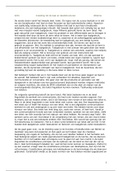
What type of decisions are investors and lenders 1. Investors decide whether to buy, sell, or hold stock in a company.
making about companies? 2. Lenders decide whether to lend money to a company and at what interest
rate and for how long.
What are the two fundamental qualities that make Relevance and Faithful Representation
accounting information useful for decision making
What are the three ingredients of relevance Predictive Value, Confirmatory value, Materiality
Predictive Value If it helps users form their own expectations
Confirmatory Value Helps users confirm or correct prior expectations
A company-specific aspect of relevance Materiality
What are the three fundamental ingredients of Faithful Completeness, Neutrality, Free From Error
Representation
Completeness All information that is necessary for faithful representation is provided
Neutrality Company cannot select information to favor one set of interested parties over
another.
Free from Error a more accurate representation of a financial item
Intermediate Accounting Final exam.pdf Intermediate Accounting Final exam.pdf Intermediate Accounting Final exam.pdf
,Intermediate Accounting Final exam.pdf Intermediate Accounting Final exam.pdf Intermediate Accounting Final exam.pdf
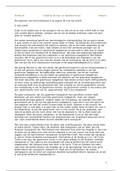
Enhancing Qualities to fundamental qualitative Comparability, Verifiability, Timeliness, Understandability
characteristics
Assets Probable future economic benefits obtained or controlled by a particular
entity as a result of past transactions or events.
Liabilities Probable future sacrifices of economic benefits arising from present
obligations of a particular entity to transfer assets or provide
services to other entities in the future as a result of past transactions or events.
Equity Residual interest in the assets of an entity that remains after deducting its
liabilities. In a business enterprise, the equity is the
ownership interest.
Investments by Owners Increases in net assets of a particular enterprise resulting from transfers to it
from other entities of something of
value to obtain or increase ownership interests (or equity) in it. Assets are most
commonly received as investments by owners, but that
which is received may also include services or satisfaction or conversion of
liabilities of the enterprise.
Distribution to owners Decreases in net assets of a particular enterprise resulting from transferring
assets, rendering services, or
incurring liabilities by the enterprise to owners. Distributions to owners
decrease ownership interests (or equity) in an enterprise.
Intermediate Accounting Final exam.pdf Intermediate Accounting Final exam.pdf Intermediate Accounting Final exam.pdf
, Intermediate Accounting Final exam.pdf Intermediate Accounting Final exam.pdf Intermediate Accounting Final exam.pdf
Comprehensive Income Change in equity (net assets) of an entity during a period from transactions and
other events and circumstances
from non-owner sources. It includes all changes in equity during a period
except those resulting from investments by owners and
distributions to owners.
Revenue Inflows or other enhancements of assets of an entity or settlement of its
liabilities (or a combination of both) during a period from
delivering or producing goods, rendering services, or other activities that
constitute the entity's ongoing major or central operations.
Expenses Outflows or other using up of assets or incurrences of liabilities (or a
combination of both) during a period from delivering or
producing goods, rendering services, or carrying out other activities that
constitute the entity's ongoing major or central operations.
Gains Increases in equity (net assets) from peripheral or incidental transactions of an
entity and from all other transactions and other
events and circumstances affecting the entity during a period except those that
result from revenues or investments by owners.
Losses Decreases in equity (net assets) from peripheral or incidental transactions of an
entity and from all other transactions and other
events and circumstances affecting the entity during a period except those that
result from expenses or distributions to owners.
What to Record? The FASB uses the phrase "transaction and other events and circumstances that
affect a business enterprise"
Intermediate Accounting Final exam.pdf Intermediate Accounting Final exam.pdf Intermediate Accounting Final exam.pdf
Intermediate
_ Comprehensive
Accounting
Review
Final Exam
Guide
Intermediate
_&Comprehensive
Key Concepts.pdf
Accounting
Review
Final Exam
Guide _&Comprehensive
Key Concepts.pdf
Review Guide & Key Concepts.pdf
Intermediate
Accounting Final
Exam |
Comprehensive
Review Guide &
Key Concepts
Intermediate Accounting Final Exam
Intermediate
_ Comprehensive
Accounting
Review
Final Exam
Guide
Intermediate
_&Comprehensive
Key Concepts.pdf
Accounting
Review
Final Exam
Guide _&Comprehensive
Key Concepts.pdf
Review Guide & Key Concepts.pdf
,Intermediate Accounting Final exam.pdf Intermediate Accounting Final exam.pdf Intermediate Accounting Final exam.pdf
What type of decisions are investors and lenders 1. Investors decide whether to buy, sell, or hold stock in a company.
making about companies? 2. Lenders decide whether to lend money to a company and at what interest
rate and for how long.
What are the two fundamental qualities that make Relevance and Faithful Representation
accounting information useful for decision making
What are the three ingredients of relevance Predictive Value, Confirmatory value, Materiality
Predictive Value If it helps users form their own expectations
Confirmatory Value Helps users confirm or correct prior expectations
A company-specific aspect of relevance Materiality
What are the three fundamental ingredients of Faithful Completeness, Neutrality, Free From Error
Representation
Completeness All information that is necessary for faithful representation is provided
Neutrality Company cannot select information to favor one set of interested parties over
another.
Free from Error a more accurate representation of a financial item
Intermediate Accounting Final exam.pdf Intermediate Accounting Final exam.pdf Intermediate Accounting Final exam.pdf
,Intermediate Accounting Final exam.pdf Intermediate Accounting Final exam.pdf Intermediate Accounting Final exam.pdf
Enhancing Qualities to fundamental qualitative Comparability, Verifiability, Timeliness, Understandability
characteristics
Assets Probable future economic benefits obtained or controlled by a particular
entity as a result of past transactions or events.
Liabilities Probable future sacrifices of economic benefits arising from present
obligations of a particular entity to transfer assets or provide
services to other entities in the future as a result of past transactions or events.
Equity Residual interest in the assets of an entity that remains after deducting its
liabilities. In a business enterprise, the equity is the
ownership interest.
Investments by Owners Increases in net assets of a particular enterprise resulting from transfers to it
from other entities of something of
value to obtain or increase ownership interests (or equity) in it. Assets are most
commonly received as investments by owners, but that
which is received may also include services or satisfaction or conversion of
liabilities of the enterprise.
Distribution to owners Decreases in net assets of a particular enterprise resulting from transferring
assets, rendering services, or
incurring liabilities by the enterprise to owners. Distributions to owners
decrease ownership interests (or equity) in an enterprise.
Intermediate Accounting Final exam.pdf Intermediate Accounting Final exam.pdf Intermediate Accounting Final exam.pdf
, Intermediate Accounting Final exam.pdf Intermediate Accounting Final exam.pdf Intermediate Accounting Final exam.pdf
Comprehensive Income Change in equity (net assets) of an entity during a period from transactions and
other events and circumstances
from non-owner sources. It includes all changes in equity during a period
except those resulting from investments by owners and
distributions to owners.
Revenue Inflows or other enhancements of assets of an entity or settlement of its
liabilities (or a combination of both) during a period from
delivering or producing goods, rendering services, or other activities that
constitute the entity's ongoing major or central operations.
Expenses Outflows or other using up of assets or incurrences of liabilities (or a
combination of both) during a period from delivering or
producing goods, rendering services, or carrying out other activities that
constitute the entity's ongoing major or central operations.
Gains Increases in equity (net assets) from peripheral or incidental transactions of an
entity and from all other transactions and other
events and circumstances affecting the entity during a period except those that
result from revenues or investments by owners.
Losses Decreases in equity (net assets) from peripheral or incidental transactions of an
entity and from all other transactions and other
events and circumstances affecting the entity during a period except those that
result from expenses or distributions to owners.
What to Record? The FASB uses the phrase "transaction and other events and circumstances that
affect a business enterprise"
Intermediate Accounting Final exam.pdf Intermediate Accounting Final exam.pdf Intermediate Accounting Final exam.pdf