Compare The Ways In Which Atwood And Shelley
Present Ideas About Identity. You Must Relate Your
Discussion To Relevant Contextual Factors.
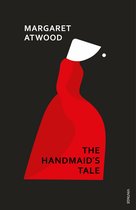
In both Margaret Atwood’s The Handmaid’s Tale and Mary Shelley’s Frankenstein the concept of
motherhood and the effect it has on the character’s identity is heavily focused on. Many of the
characters lack a maternal influence, specifically in Shelley’s novel and, most significantly, the
Creature is made without a mother. Additionally, in The Handmaid’s Tale, Atwood created a world in
which the protagonists’ only use is to create life – despite the fact they are never able to perform
the role of motherhood. This concept is also heavily significant in both authors’ lives; Shelley’s
mother died when she was a baby and Atwood was living in a time when abortion was being heavily
debated, specifically whether it was the mother’s choice to have a child or not. Both novels, despite
being almost 200 years apart, focus on the idea of identity and what experiences shape and mould
that.
Clear set up of all AOs!
Both Victor Frankenstein and Offred’s mothers are significant characters in the novels despite only
appearing sporadically, this highlights the significance both authors wanted to give to the idea that a
maternal influence affected both characters’ identity. Atwood uses the ‘Night’ sections of her novel
to give the character Offred a time to reflect on her past and the people she lost when Gilead was
created; her use of flashbacks is significant in letting the reader learn more about her mother and
how she feels about her. The first mention of Offred’s mother is in the second ‘Night’ section when
she describes when her mother took her to the park to ‘feed the ducks’ but instead they are there
‘to see her friends; she’d lied to me, Saturdays were supposed to be my day’. The early presentation
of this complex relationship suggests some tension between them that Offred still has not forgiven
her mother for. Offred remembers that ‘she had a way of talking about me to others as if I couldn’t
hear’, her mother allows her to burn a porn magazine which seems careless to us as readers.
Atwood uses this to present an irresponsible mother who did not always have her daughter’s best
interests in mind. Despite this we find out that she was ‘a wanted child’ although she previously
called her ‘a prude’ and that her mother ‘liked being more outrageous than I was’. Later Offred says
that ‘no mother is ever, completely, a child’s idea of what a mother should be…I wish she were here,
so I could tell her I finally know this.’ Throughout the novel Offred has different feelings towards her
mother and their relationship but ultimately, she wished that she was there with her. Atwood
presents a daughter’s longing for her mother despite their constant fighting, she uses this to show
how much a mother has an influence on their children’s identity; Offred was shaped by her mother’s
rebellious actions such as burning porn or marching against anti-abortionists with signs like ‘let them
bleed’ and by ‘[swearing] too much’ (significantly Offred’s best friend Moira is incredibly similar to
her mother). Similar to this, Shelley presents a comparable emphasis on the influence Frankenstein’s
mother had on him. (Relevant links made to co-support commentary)Most of the characters in the
novel have a dead mother (Elizabeth, Justine, Walton) which highlights the significant influence
having a mother die would have on a person’s identity. When his mother dies, Shelley writes it was
Present Ideas About Identity. You Must Relate Your
Discussion To Relevant Contextual Factors.
In both Margaret Atwood’s The Handmaid’s Tale and Mary Shelley’s Frankenstein the concept of
motherhood and the effect it has on the character’s identity is heavily focused on. Many of the
characters lack a maternal influence, specifically in Shelley’s novel and, most significantly, the
Creature is made without a mother. Additionally, in The Handmaid’s Tale, Atwood created a world in
which the protagonists’ only use is to create life – despite the fact they are never able to perform
the role of motherhood. This concept is also heavily significant in both authors’ lives; Shelley’s
mother died when she was a baby and Atwood was living in a time when abortion was being heavily
debated, specifically whether it was the mother’s choice to have a child or not. Both novels, despite
being almost 200 years apart, focus on the idea of identity and what experiences shape and mould
that.
Clear set up of all AOs!
Both Victor Frankenstein and Offred’s mothers are significant characters in the novels despite only
appearing sporadically, this highlights the significance both authors wanted to give to the idea that a
maternal influence affected both characters’ identity. Atwood uses the ‘Night’ sections of her novel
to give the character Offred a time to reflect on her past and the people she lost when Gilead was
created; her use of flashbacks is significant in letting the reader learn more about her mother and
how she feels about her. The first mention of Offred’s mother is in the second ‘Night’ section when
she describes when her mother took her to the park to ‘feed the ducks’ but instead they are there
‘to see her friends; she’d lied to me, Saturdays were supposed to be my day’. The early presentation
of this complex relationship suggests some tension between them that Offred still has not forgiven
her mother for. Offred remembers that ‘she had a way of talking about me to others as if I couldn’t
hear’, her mother allows her to burn a porn magazine which seems careless to us as readers.
Atwood uses this to present an irresponsible mother who did not always have her daughter’s best
interests in mind. Despite this we find out that she was ‘a wanted child’ although she previously
called her ‘a prude’ and that her mother ‘liked being more outrageous than I was’. Later Offred says
that ‘no mother is ever, completely, a child’s idea of what a mother should be…I wish she were here,
so I could tell her I finally know this.’ Throughout the novel Offred has different feelings towards her
mother and their relationship but ultimately, she wished that she was there with her. Atwood
presents a daughter’s longing for her mother despite their constant fighting, she uses this to show
how much a mother has an influence on their children’s identity; Offred was shaped by her mother’s
rebellious actions such as burning porn or marching against anti-abortionists with signs like ‘let them
bleed’ and by ‘[swearing] too much’ (significantly Offred’s best friend Moira is incredibly similar to
her mother). Similar to this, Shelley presents a comparable emphasis on the influence Frankenstein’s
mother had on him. (Relevant links made to co-support commentary)Most of the characters in the
novel have a dead mother (Elizabeth, Justine, Walton) which highlights the significant influence
having a mother die would have on a person’s identity. When his mother dies, Shelley writes it was