Summary NURSING 1025 CHAPTER 41 - PAIN MANAGEMENT
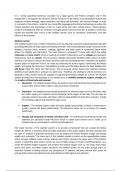
● Effective pain management includes the use of pharmacological and nonpharmacological pain management therapies. Invasive therapies such as nerve ablation may be appropriate for intractable cancer-related pain. ● Clients have a right to adequate assessment and management of pain. Nurses are accountable for the assessment of pain. The nurse’s role is that of an advocate and educator for effective pain management. ● Nurses have a priority responsibility for the continual assessment of the client’s pain level and to provide individualized interventions. They should assess the effectiveness of the interventions 30 to 60 min after implementation. ● Assessment challenges may occur with clients who are cognitively impaired or on a ventilator. ● Undertreatment of pain is a serious health care problem. Consequences of undertreatment of pain include physiological and psychological components. ◯ Acute/chronic pain can cause anxiety, fear, and depression. ◯ Poorly managed acute pain may lead to chronic pain syndrome. Physiology of Pain ● Transduction is the conversion of painful stimuli to an electrical impulse through peripheral nerve fibers (nociceptors). ● Transmission occurs as the electrical impulse travels along the nerve fibers and is regulated by neurotransmitters. ● The pain threshold is the point at which a person feels pain. ● Pain tolerance is the amount of pain a person is willing to bear. PAIN MANAGEMENT SUBSTANCES THAT INCREASE PAIN TRANSMISSION AND CAUSE AN INFLAMMATORY RESPONSE SUBSTANCES THAT DECREASE PAIN TRANSMISSION AND PRODUCE ANALGESIA • Substance P • Serotonin • Prostaglandins • Endorphins • Bradykinin • Histamine ● Perception or awareness of pain occurs in various areas of the brain and is influenced by thought and emotional processes. ● Modulation occurs in the spinal cord, causing muscles to contract reflexively, moving the body away from painful stimuli. Pain Categories ACUTE PAIN CHRONIC PAIN • Acute pain is protective, temporary, usually self-limiting, and resolves with tissue healing. • Physiological responses (sympathetic nervous system) are fight-or-flight responses (tachycardia, hypertension, anxiety, diaphoresis, muscle tension). • Behavioral responses include grimacing, moaning, flinching, and guarding. • Interventions include treatment of the underlying problem. • Chronic pain is not protective; it is ongoing or recurs frequently, lasting longer than 6 months and persisting beyond tissue healing. • Physiological responses do not usually alter vital signs, but the client may experience depression, fatigue, and a decreased level of functioning. • Psychosocial implications may lead to disability. • Chronic pain may not have a known cause, and it may not respond to interventions. • Management is aimed at symptomatic relief. • Chronic pain can be malignant or nonmalignant. NOCICEPTIVE PAIN NEUROPATHIC PAIN • Nociceptive pain arises from damage to or inflammation of tissue other than that of the peripheral and central nervous systems. • It is usually throbbing, aching, and localized. • This pain typically responds to opioids and nonopioid medications. • Types of nociceptive pain include: ◯ Somatic – in bones, joints, muscles, skin, or connective tissues. ◯ Visceral – in internal organs such as the stomach or intestines. It can cause referred pain in other body locations not associated with the stimulus. ◯ Cutaneous – in the skin or subcutaneous tissue. • Neuropathic pain arises from abnormal or damaged pain nerves. • It includes phantom limb pain, pain below the level of a spinal cord injury, and diabetic neuropathy. • Neuropathic pain is usually intense, shooting, burning, or described as “pins and needles.” • This pain typically responds to adjuvant medications (antidepressants, antispasmodic agents, skeletal muscle relaxants). PAIN MANAGEMENT ● Risk factors for undertreatment of pain include: ◯ Cultural and societal attitudes. ◯ Lack of knowledge. ◯ Fear of addiction. ◯ Exaggerated fear of respiratory depression. ● Populations at risk for undertreatment of pain include: ◯ Infants. ◯ Children. ◯ Older adults. ◯ Clients with substance abuse problems. ● Causes of acute and chronic pain include: ◯ Trauma. ◯ Surgery. ◯ Cancer (tumor invasion, nerve compression, bone metastases, associated infections, immobility).
Escuela, estudio y materia
- Institución
-
Miami Dade College
- Grado
-
NURSING 1025
Información del documento
- Subido en
- 27 de abril de 2021
- Número de páginas
- 15
- Escrito en
- 2020/2021
- Tipo
- Resumen
Temas
-
overview ● effective pain management includes the use of pharmacological and nonpharmacological pain management therapies invasive therapies such as nerve ablation may be appropriate for intractable