

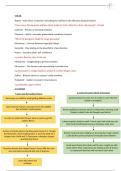
VOCAB
Bathos – Anti-climax created by contrasting the sublime to the ridiculous (being let down)
“Dress was a flowing green and blue which made her look rather like a tired, old peacock” –Google
Catharsis – Process of releasing emotions
Chiasmus – Words, concepts/ grammatical constructs reversed
“When the going gets tough the tough gets going”
Dichotomy – Contrast between (opposite) things
Hamartia – Flaw leading to the downfall of a hero/heroine
Hubris – Excessive pride/ self- confidence
e.g Icarus flew too close to the sun
Melodrama – Exaggerating to portray emotions
Microcosm – The human scale representing a societal issue
e.g Focusing on 1 refugee family in amidst of a whole refugee camp
Pathos – Rhetoric device to convey/ evoke emotions
Peripatetic – Sudden reversal in circumstances
e.g Cinderella (rags to riches)
ALLUSIONS
1.Jason and the Golden Fleece 2.Jacob and Laban (Book of Genesis)
Sent away as a child to avoid getting killed by uncle Jacob promises to work 7yrs in order to marry Rachel
(Laban’s youngest)
Jason returns home to announce he is the rightful
heir at Pelias’ (uncle) games At the wedding ceremony Jacob is tricked into marrying Leah
(Laban’s oldest) who he thought was Rachel
In order to obtain the thrown Jason is sent to get the
golden fleece Laban requests Jacob to work 7 more years but Leah was sad
that Jacob loved Rachel more so God gave Leah sons
Arrives at Colchis where the King wants Jason to 1. Plough
the field with a fire breathing oxen 2. Sow the teeth of a Rachel could not bear children so she took her maid’s which
dragon into a field and 3. Overcome a sleepless dragon Leah did the same but Rachel eventually bore children
guarding the fleece
Jacob went home but Laban and his men caught up with
Reclaims thrown but Medea (Jason’s lover) kills her own Jacob where they made peace by making a pile of stones
sons and Jason proposed wife out of jealousy to represent that they will not harm each other
Jason dies alone and
unhappy
, SHAKESPEAREAN COMEDY
- Tragic and Comedy genre can fade into one genre or in a character
L relief along with pain, reconciliation long with conflict
- All tragedies include a character who clowns around at the consequence of a tragic
character
Tragi-comedy
- Dramatize anger, violence and jealousy
- Include darker material not usually associated with ‘fun’ comedy
Features
1.Comic Individual
- Deception (from the senses or the mind) -> either an external source of deception or one
from imagination -> often punished after learning of deception
- Unable to fulfil objective – delusion to this fact
- Is not doing what they ought to
- Personality does not go beyond the boundaries of sanity (madman)
Comedy of Situation
- Character has little/no control
- Many results due to mistakes/deception (e.g tragedy)
- Objects disguised or mistaken identity however without the foreshadow of happy
resolutions the trickery would not be as amusing
1. Natural Resemblance – mistake someone as someone else
2. Disguise – intentional and characters may be victimised -> dramatic irony
- Causes other characters to show different sides of themselves to the disguised character
-> teaches characters of the truth of their own heart
Drawbacks
- The one disguising is the source of complications but one who looks similar to them may
disrupt their plans
- Disguises are only temporary and can be destroyed as if it was never there
Comedy of Character
- Loses sight of the external world (self-deception) -> characters absorbed by a single passion
- Mistaken understanding (e.g forgetting social hierarchy)
- Purposes break at the realisation of deception
- The deed is irrational but the person doing is rational, voluntary, conscious
- Comedy out of character’s own amusement as if that character is both the play and the
audience (e.g laughing at themselves)
- Involuntary (victim to delusions) and voluntary (conscious of one’s own delusions)
2.Comic Action
- Comic individual is involved in conflict (e.g family conflict)
- Usually one figure which everyone in the play revolves around
Bathos – Anti-climax created by contrasting the sublime to the ridiculous (being let down)
“Dress was a flowing green and blue which made her look rather like a tired, old peacock” –Google
Catharsis – Process of releasing emotions
Chiasmus – Words, concepts/ grammatical constructs reversed
“When the going gets tough the tough gets going”
Dichotomy – Contrast between (opposite) things
Hamartia – Flaw leading to the downfall of a hero/heroine
Hubris – Excessive pride/ self- confidence
e.g Icarus flew too close to the sun
Melodrama – Exaggerating to portray emotions
Microcosm – The human scale representing a societal issue
e.g Focusing on 1 refugee family in amidst of a whole refugee camp
Pathos – Rhetoric device to convey/ evoke emotions
Peripatetic – Sudden reversal in circumstances
e.g Cinderella (rags to riches)
ALLUSIONS
1.Jason and the Golden Fleece 2.Jacob and Laban (Book of Genesis)
Sent away as a child to avoid getting killed by uncle Jacob promises to work 7yrs in order to marry Rachel
(Laban’s youngest)
Jason returns home to announce he is the rightful
heir at Pelias’ (uncle) games At the wedding ceremony Jacob is tricked into marrying Leah
(Laban’s oldest) who he thought was Rachel
In order to obtain the thrown Jason is sent to get the
golden fleece Laban requests Jacob to work 7 more years but Leah was sad
that Jacob loved Rachel more so God gave Leah sons
Arrives at Colchis where the King wants Jason to 1. Plough
the field with a fire breathing oxen 2. Sow the teeth of a Rachel could not bear children so she took her maid’s which
dragon into a field and 3. Overcome a sleepless dragon Leah did the same but Rachel eventually bore children
guarding the fleece
Jacob went home but Laban and his men caught up with
Reclaims thrown but Medea (Jason’s lover) kills her own Jacob where they made peace by making a pile of stones
sons and Jason proposed wife out of jealousy to represent that they will not harm each other
Jason dies alone and
unhappy
, SHAKESPEAREAN COMEDY
- Tragic and Comedy genre can fade into one genre or in a character
L relief along with pain, reconciliation long with conflict
- All tragedies include a character who clowns around at the consequence of a tragic
character
Tragi-comedy
- Dramatize anger, violence and jealousy
- Include darker material not usually associated with ‘fun’ comedy
Features
1.Comic Individual
- Deception (from the senses or the mind) -> either an external source of deception or one
from imagination -> often punished after learning of deception
- Unable to fulfil objective – delusion to this fact
- Is not doing what they ought to
- Personality does not go beyond the boundaries of sanity (madman)
Comedy of Situation
- Character has little/no control
- Many results due to mistakes/deception (e.g tragedy)
- Objects disguised or mistaken identity however without the foreshadow of happy
resolutions the trickery would not be as amusing
1. Natural Resemblance – mistake someone as someone else
2. Disguise – intentional and characters may be victimised -> dramatic irony
- Causes other characters to show different sides of themselves to the disguised character
-> teaches characters of the truth of their own heart
Drawbacks
- The one disguising is the source of complications but one who looks similar to them may
disrupt their plans
- Disguises are only temporary and can be destroyed as if it was never there
Comedy of Character
- Loses sight of the external world (self-deception) -> characters absorbed by a single passion
- Mistaken understanding (e.g forgetting social hierarchy)
- Purposes break at the realisation of deception
- The deed is irrational but the person doing is rational, voluntary, conscious
- Comedy out of character’s own amusement as if that character is both the play and the
audience (e.g laughing at themselves)
- Involuntary (victim to delusions) and voluntary (conscious of one’s own delusions)
2.Comic Action
- Comic individual is involved in conflict (e.g family conflict)
- Usually one figure which everyone in the play revolves around

