PNH301 Questions with Correct Solutions
What is high blood pressure?
140/90 mmHg
Primary HTN
elevated BP in the absence of underlying disease
Secondary HTN
high BP due to underlying pathophysiology (disease/disorder)
Diseases/Disorders that Contribute to HTN
- kidney disease
- endocrine disorders
- pregnancy
- medications (steroids, contraceptives)
- neurological disorders
- congenital aortic disorders (coarctation or narrowing)
Diagnosing Hypertension (identifying if there's an underlying cause)
- urinalysis
- blood chemistry (K+, Na, blood urea, and creatinine)
- fasting blood glucose
- fasting total cholesterol
- 12 lead EKG
,Complications of HTN
- coronary artery disease
- left ventricular hypertrophy
- heart failure
- cerebrovascular disease
- peripheral arterial disease
- nephrosclerosis
- retinal damage
- arterial vessels of lower extremities
Prevalence of HTN in specific groups
- prevalence increases with age
- women with high BP have a greater risk for cardiovascular disease
- Indigenous people have a higher incidence of cardiovascular disease than non-indigenous
people in Canada
- more prevalent in older women than in older men
Secondary Symptom's of HTN
- fatigue
- decreased activity tolerance
- palpitations
- angina
- dyspnea
Lifestyle Modifications (HTN)
,- nutrition
- weight reduction
- modification in alcohol consumption
- physical activity
- avoidance of tobacco products
- stress management
Goals of HTN Management
- achieve and maintain target BP
- understand and implement therapeutic plan
- menial or no unpleasant adverse effects
- confidence of ability to manage and cope with condition
Age- Related Considerations (HTN)
- loss of tissue elasticity
- increased collagen content and stiffness of the myocardium
- increased peripheral vascular resistance
- decreased B-adrenergic receptor sensitivity
- blunting of baroreceptor reflexes
- decreased kidney function
- decreased renin response to sodium and water depletion
What is a hypertensive crisis?
- severe abrupt increases in DBP (defined as >120-130 mmHg)
- rate of increase in BP is more important than the absolute value
, - often occurs in patients with a hisotry of HTN who have failed to adhere to their medication
regimen or who have been under medicated
(180/120)
Hypertensive Crisis: Clinical Manifestations
- encephaopathy, cerebral hemorrhage
- acute renal failure
- MI
- acute left ventricular failure with pulmonary edema
- dissecting aortic aneurysm
Management of Hypertensive Crisis
- IV
- Monitor cardiac/renal function
- ongoing regular assessment
- neurological checks
- determine cause
- education
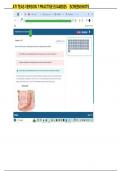
The nurse providing dietary instructions to a patient with hypertension would advise
cutting down on the intake of which foods? Select all that apply. One, some, or all
responses may be correct.
A. Canned vegetables
B. Red meat
What is high blood pressure?
140/90 mmHg
Primary HTN
elevated BP in the absence of underlying disease
Secondary HTN
high BP due to underlying pathophysiology (disease/disorder)
Diseases/Disorders that Contribute to HTN
- kidney disease
- endocrine disorders
- pregnancy
- medications (steroids, contraceptives)
- neurological disorders
- congenital aortic disorders (coarctation or narrowing)
Diagnosing Hypertension (identifying if there's an underlying cause)
- urinalysis
- blood chemistry (K+, Na, blood urea, and creatinine)
- fasting blood glucose
- fasting total cholesterol
- 12 lead EKG
,Complications of HTN
- coronary artery disease
- left ventricular hypertrophy
- heart failure
- cerebrovascular disease
- peripheral arterial disease
- nephrosclerosis
- retinal damage
- arterial vessels of lower extremities
Prevalence of HTN in specific groups
- prevalence increases with age
- women with high BP have a greater risk for cardiovascular disease
- Indigenous people have a higher incidence of cardiovascular disease than non-indigenous
people in Canada
- more prevalent in older women than in older men
Secondary Symptom's of HTN
- fatigue
- decreased activity tolerance
- palpitations
- angina
- dyspnea
Lifestyle Modifications (HTN)
,- nutrition
- weight reduction
- modification in alcohol consumption
- physical activity
- avoidance of tobacco products
- stress management
Goals of HTN Management
- achieve and maintain target BP
- understand and implement therapeutic plan
- menial or no unpleasant adverse effects
- confidence of ability to manage and cope with condition
Age- Related Considerations (HTN)
- loss of tissue elasticity
- increased collagen content and stiffness of the myocardium
- increased peripheral vascular resistance
- decreased B-adrenergic receptor sensitivity
- blunting of baroreceptor reflexes
- decreased kidney function
- decreased renin response to sodium and water depletion
What is a hypertensive crisis?
- severe abrupt increases in DBP (defined as >120-130 mmHg)
- rate of increase in BP is more important than the absolute value
, - often occurs in patients with a hisotry of HTN who have failed to adhere to their medication
regimen or who have been under medicated
(180/120)
Hypertensive Crisis: Clinical Manifestations
- encephaopathy, cerebral hemorrhage
- acute renal failure
- MI
- acute left ventricular failure with pulmonary edema
- dissecting aortic aneurysm
Management of Hypertensive Crisis
- IV
- Monitor cardiac/renal function
- ongoing regular assessment
- neurological checks
- determine cause
- education
The nurse providing dietary instructions to a patient with hypertension would advise
cutting down on the intake of which foods? Select all that apply. One, some, or all
responses may be correct.
A. Canned vegetables
B. Red meat