KETTERING TESTS FINAL STUDY GUIDE 2026
PRACTICE SOLUTION SET
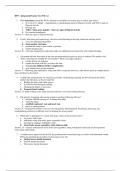
◉ right atria. Answer: receives blood from the great veins
◉ tricuspid. Answer: valve between the right atria and right
ventricle
◉ left coronary artery. Answer: coronary arteries give rise to the
circumflex branch
◉ left ventricle. Answer: the largest and thickest heart chamber
◉ myocardium. Answer: The cardiac muscle tissue of the heart
◉ infarction. Answer: occurs when coronary circulation becomes
blocked and the cardiac muscle cells die from lack of oxygen
◉ 4. Answer: How many pulmonary veins does the left atria receive
blood from ?
◉ mitral. Answer: is NOT a half mooned shaped valve
,◉ blood pressure. Answer: is the force exerted against the vascular
walls by the blood called when the push exerted by cardiac
contraction is resisted by the elasticity of the vessel walls
◉ 95 %. Answer: the normal oxygen saturation of the left ventricle
◉ capillaries. Answer: are thin wall blood vessels that permit the
diffusion of gases nutrients and wastes between the plasma and
interstitial fluids
◉ chordae tendonae. Answer: During ventricular contraction , the
prevention of backflow or regurgitation of blood back into the
atrium is the function of the
◉ pulse pressure systolic - pulse pressure diastolic. Answer: the
formula for aortic pulse pressure
◉ venules. Answer: receives blood from the capillaries
◉ 6 mmHg. Answer: the normal pressure in the right atria
◉ 25/8 mmHg. Answer: the normal pulmonary artery pressure
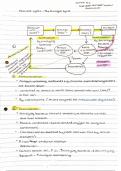
, ◉ cardiac output. Answer: the amount of blood ejected by the left
ventricle each minute
◉ afterload. Answer: The amount of force a contracting ventricle
must produce to open the semilunar valve
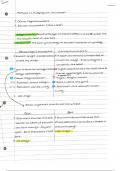
◉ Positive inotropic agents often. Answer: block calcium entry
◉ NOT a source of peripheral resistance. Answer: volume
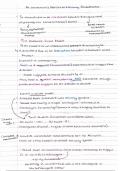
◉ sinoatrial node. Answer: The cardiac pacemaker or the natural
pacemaker
◉ chemoreceptors. Answer: respond to changes in oxygen levels
blood pH and cerebrospinal fluid pH
◉ atrioventricular node. Answer: is in the floor of the right atrium
near the opening of the coronary sinus
◉ peripheral resistance. Answer: The resistance to blood flow
primarily caused by friction within the vessel walls
◉ contractility. Answer: The amount of force produced during a
contraction independent of preload
PRACTICE SOLUTION SET
◉ right atria. Answer: receives blood from the great veins
◉ tricuspid. Answer: valve between the right atria and right
ventricle
◉ left coronary artery. Answer: coronary arteries give rise to the
circumflex branch
◉ left ventricle. Answer: the largest and thickest heart chamber
◉ myocardium. Answer: The cardiac muscle tissue of the heart
◉ infarction. Answer: occurs when coronary circulation becomes
blocked and the cardiac muscle cells die from lack of oxygen
◉ 4. Answer: How many pulmonary veins does the left atria receive
blood from ?
◉ mitral. Answer: is NOT a half mooned shaped valve
,◉ blood pressure. Answer: is the force exerted against the vascular
walls by the blood called when the push exerted by cardiac
contraction is resisted by the elasticity of the vessel walls
◉ 95 %. Answer: the normal oxygen saturation of the left ventricle
◉ capillaries. Answer: are thin wall blood vessels that permit the
diffusion of gases nutrients and wastes between the plasma and
interstitial fluids
◉ chordae tendonae. Answer: During ventricular contraction , the
prevention of backflow or regurgitation of blood back into the
atrium is the function of the
◉ pulse pressure systolic - pulse pressure diastolic. Answer: the
formula for aortic pulse pressure
◉ venules. Answer: receives blood from the capillaries
◉ 6 mmHg. Answer: the normal pressure in the right atria
◉ 25/8 mmHg. Answer: the normal pulmonary artery pressure
, ◉ cardiac output. Answer: the amount of blood ejected by the left
ventricle each minute
◉ afterload. Answer: The amount of force a contracting ventricle
must produce to open the semilunar valve
◉ Positive inotropic agents often. Answer: block calcium entry
◉ NOT a source of peripheral resistance. Answer: volume
◉ sinoatrial node. Answer: The cardiac pacemaker or the natural
pacemaker
◉ chemoreceptors. Answer: respond to changes in oxygen levels
blood pH and cerebrospinal fluid pH
◉ atrioventricular node. Answer: is in the floor of the right atrium
near the opening of the coronary sinus
◉ peripheral resistance. Answer: The resistance to blood flow
primarily caused by friction within the vessel walls
◉ contractility. Answer: The amount of force produced during a
contraction independent of preload