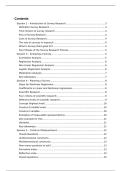
Contents
Session 1 – Introduction to Survey Research.......................................................3
Definition Survey Research.............................................................................. 3
Time horizon of survey research......................................................................4
Pros of Survey Research................................................................................... 4
Cons of Survey Research:................................................................................. 4
The role of surveys in research........................................................................4
What is Survey Data good for?.........................................................................4
Four Phases of the Survey Research Process...................................................4
Session 3 – Analyzing a Survey...........................................................................5
Correlation Analysis.......................................................................................... 5
Regression Analysis:......................................................................................... 6
Non-Linear Regression Analysis........................................................................6
Logistic Regression Analysis............................................................................. 6
Moderation Analysis......................................................................................... 7
Key takeaways:................................................................................................ 7
Session 4 – Planning a Survey............................................................................. 8
Steps for Nonlinear Regression........................................................................8
Coefficients in Linear and Nonlinear regressions..............................................8
Scientific Research........................................................................................... 8
Four criteria of scientific research:...................................................................9
Different levels of scientific research:..............................................................9
Concept (highest level).................................................................................. 10
Construct (middle level)................................................................................. 10
Construct variable.......................................................................................... 10
Examples of measurable representations......................................................10
One example for this:..................................................................................... 11
Variables........................................................................................................ 11
Key takeaways:.............................................................................................. 11
Session 5 – Construct Measurement..................................................................12
Closed Questions............................................................................................ 12
Unidimensional constructs............................................................................. 12
Multidimensional constructs:..........................................................................13
How many questions to ask?..........................................................................13
Formative index............................................................................................. 13
Reflective scale.............................................................................................. 13
Closed questions............................................................................................ 15
, Open-ended questions................................................................................... 15
Response options........................................................................................... 15
How can response options drive results?.......................................................15
The Neutral Point............................................................................................ 16
Using a “Don’t Know” option..........................................................................16
Non-verbal response format...........................................................................17
Number of response options..........................................................................17
Item non-response......................................................................................... 17
Reverse-coded items...................................................................................... 17
Scale Development........................................................................................ 17
Multiple item measurement........................................................................... 18
The Multitrait-Multimethod Matrix..................................................................18
Steps to develop a new scale.........................................................................18
Key takeaways:.............................................................................................. 18
Session 6 – Questionnaire Design......................................................................19
Typical types of questions.............................................................................. 19
Three typical goals in surveys........................................................................20
Responding under restrictions........................................................................20
Three stages of survey responding................................................................20
Social desirability effects............................................................................... 22
Question wording........................................................................................... 23
Question sequence......................................................................................... 23
The Funnel approach:..................................................................................... 23
Best practices................................................................................................. 24
Incentivize participants.................................................................................. 24
Managerial implications to increase response rates.......................................24
Cover letter/E-Mail invitation..........................................................................24
Questionnaire pretesting................................................................................ 24
Key takeaways:.............................................................................................. 25
Session 7 – Implementing a Survey: Sampling and Data Collection..................25
The sampling process..................................................................................... 25
Example:........................................................................................................ 25
Probability sampling:...................................................................................... 26
Non-probability sampling............................................................................... 26
Pros and cons of non-probability sampling.....................................................28
Sample size considerations............................................................................ 29
Administration methods of survey research...................................................29
Decision criteria for methods:........................................................................29
, Pros and Cons of crowdsourcing platforms.....................................................29
Key takeaways:.............................................................................................. 30
Session 10 – Experimental Surveys...................................................................30
The problem of ad effectiveness....................................................................30
A/B Tests......................................................................................................... 31
Multivariate tests........................................................................................... 31
Causality........................................................................................................ 31
Steps in experimental studies........................................................................31
Goals/Rules for causality................................................................................ 31
Steps in designing an experimental survey....................................................32
Key takeaways:.............................................................................................. 35
Session 11 - Wrap up of the course...................................................................35
Response style bias in international survey research.....................................35
Usual respondents in a survey:......................................................................35
Acquiescence and Disacquiescence...............................................................36
Compressed responding and extreme responding.........................................36
Careless responding....................................................................................... 36
Important questions in the survey research process......................................37
Session 1 Preparation: None
Session 1 – Introduction to Survey Research
Survey
- No manipulation
- No causality present
- better suited for broad research questions (looking at multiple conditions)
- More general
vs Experimental Research
- 2 conditions -> manipulation
- Causality present
- Narrow (you only look at 2-3 conditions)
- Specific
Definition Survey Research
A survey is a systematic method for gathering information with standardized
questionnaires from (a sample of) entities for the purpose of constructing
, quantitative descriptors of the attributes of the larger population of which the
entities are members
Time horizon of survey research
Cross-sectional design – opinion polls, understanding consumer
preferences/attitudes
Longitudinal design – repeated cross-sectional, following the same people over a
longer period of time
Pros of Survey Research
- Easy: Questionnaires are easy to administer to a large number of
respondents
- Simple: coding, analysis and interpretation of data is relatively easy
- Reliable: Standardization reduces variability in the answers
Cons of Survey Research:
- Difficult to ask the right questions
- Difficult to word questions properly
- Difficult to get the right sample (sampling)
- Difficult to motivate respondents to respond (candidly)
The role of surveys in research
Early stage – goal: hypothesis generation
- Exploratory and descriptive survey research (less knowledge)
Later stage – goal: hypothesis testing
- Explanatory survey research (more knowledge)
What is Survey Data good for?
Correlational insights -> Variations in relevant constructs and correlations
among them
o E.g. manager, employee, consumer surveys
Causal insights -> Variations in relevant constructs in response to a
manipulation
o E.g. online, lab or field experiments
Extending data -> Variations in relevant constructs in response to existing
data
o Pretests, combination with secondary data
Four Phases of the Survey Research Process
1. Planning a Survey
Session 1 – Introduction to Survey Research.......................................................3
Definition Survey Research.............................................................................. 3
Time horizon of survey research......................................................................4
Pros of Survey Research................................................................................... 4
Cons of Survey Research:................................................................................. 4
The role of surveys in research........................................................................4
What is Survey Data good for?.........................................................................4
Four Phases of the Survey Research Process...................................................4
Session 3 – Analyzing a Survey...........................................................................5
Correlation Analysis.......................................................................................... 5
Regression Analysis:......................................................................................... 6
Non-Linear Regression Analysis........................................................................6
Logistic Regression Analysis............................................................................. 6
Moderation Analysis......................................................................................... 7
Key takeaways:................................................................................................ 7
Session 4 – Planning a Survey............................................................................. 8
Steps for Nonlinear Regression........................................................................8
Coefficients in Linear and Nonlinear regressions..............................................8
Scientific Research........................................................................................... 8
Four criteria of scientific research:...................................................................9
Different levels of scientific research:..............................................................9
Concept (highest level).................................................................................. 10
Construct (middle level)................................................................................. 10
Construct variable.......................................................................................... 10
Examples of measurable representations......................................................10
One example for this:..................................................................................... 11
Variables........................................................................................................ 11
Key takeaways:.............................................................................................. 11
Session 5 – Construct Measurement..................................................................12
Closed Questions............................................................................................ 12
Unidimensional constructs............................................................................. 12
Multidimensional constructs:..........................................................................13
How many questions to ask?..........................................................................13
Formative index............................................................................................. 13
Reflective scale.............................................................................................. 13
Closed questions............................................................................................ 15
, Open-ended questions................................................................................... 15
Response options........................................................................................... 15
How can response options drive results?.......................................................15
The Neutral Point............................................................................................ 16
Using a “Don’t Know” option..........................................................................16
Non-verbal response format...........................................................................17
Number of response options..........................................................................17
Item non-response......................................................................................... 17
Reverse-coded items...................................................................................... 17
Scale Development........................................................................................ 17
Multiple item measurement........................................................................... 18
The Multitrait-Multimethod Matrix..................................................................18
Steps to develop a new scale.........................................................................18
Key takeaways:.............................................................................................. 18
Session 6 – Questionnaire Design......................................................................19
Typical types of questions.............................................................................. 19
Three typical goals in surveys........................................................................20
Responding under restrictions........................................................................20
Three stages of survey responding................................................................20
Social desirability effects............................................................................... 22
Question wording........................................................................................... 23
Question sequence......................................................................................... 23
The Funnel approach:..................................................................................... 23
Best practices................................................................................................. 24
Incentivize participants.................................................................................. 24
Managerial implications to increase response rates.......................................24
Cover letter/E-Mail invitation..........................................................................24
Questionnaire pretesting................................................................................ 24
Key takeaways:.............................................................................................. 25
Session 7 – Implementing a Survey: Sampling and Data Collection..................25
The sampling process..................................................................................... 25
Example:........................................................................................................ 25
Probability sampling:...................................................................................... 26
Non-probability sampling............................................................................... 26
Pros and cons of non-probability sampling.....................................................28
Sample size considerations............................................................................ 29
Administration methods of survey research...................................................29
Decision criteria for methods:........................................................................29
, Pros and Cons of crowdsourcing platforms.....................................................29
Key takeaways:.............................................................................................. 30
Session 10 – Experimental Surveys...................................................................30
The problem of ad effectiveness....................................................................30
A/B Tests......................................................................................................... 31
Multivariate tests........................................................................................... 31
Causality........................................................................................................ 31
Steps in experimental studies........................................................................31
Goals/Rules for causality................................................................................ 31
Steps in designing an experimental survey....................................................32
Key takeaways:.............................................................................................. 35
Session 11 - Wrap up of the course...................................................................35
Response style bias in international survey research.....................................35
Usual respondents in a survey:......................................................................35
Acquiescence and Disacquiescence...............................................................36
Compressed responding and extreme responding.........................................36
Careless responding....................................................................................... 36
Important questions in the survey research process......................................37
Session 1 Preparation: None
Session 1 – Introduction to Survey Research
Survey
- No manipulation
- No causality present
- better suited for broad research questions (looking at multiple conditions)
- More general
vs Experimental Research
- 2 conditions -> manipulation
- Causality present
- Narrow (you only look at 2-3 conditions)
- Specific
Definition Survey Research
A survey is a systematic method for gathering information with standardized
questionnaires from (a sample of) entities for the purpose of constructing
, quantitative descriptors of the attributes of the larger population of which the
entities are members
Time horizon of survey research
Cross-sectional design – opinion polls, understanding consumer
preferences/attitudes
Longitudinal design – repeated cross-sectional, following the same people over a
longer period of time
Pros of Survey Research
- Easy: Questionnaires are easy to administer to a large number of
respondents
- Simple: coding, analysis and interpretation of data is relatively easy
- Reliable: Standardization reduces variability in the answers
Cons of Survey Research:
- Difficult to ask the right questions
- Difficult to word questions properly
- Difficult to get the right sample (sampling)
- Difficult to motivate respondents to respond (candidly)
The role of surveys in research
Early stage – goal: hypothesis generation
- Exploratory and descriptive survey research (less knowledge)
Later stage – goal: hypothesis testing
- Explanatory survey research (more knowledge)
What is Survey Data good for?
Correlational insights -> Variations in relevant constructs and correlations
among them
o E.g. manager, employee, consumer surveys
Causal insights -> Variations in relevant constructs in response to a
manipulation
o E.g. online, lab or field experiments
Extending data -> Variations in relevant constructs in response to existing
data
o Pretests, combination with secondary data
Four Phases of the Survey Research Process
1. Planning a Survey