13. Substance use and delinquency
+ Depression, non-suicidal self-injury
and suicide
In accordance with the syllabus for the second exam, this part focuses on Substance
use and delinquency + depression, non-suicidal self-injury and suicide (chapter 13 of the book).
A = adolescent; ace = adolescence; = = is/are; envt = environment, dvpt =
development.
Some general principles about problems in adolescence
The vast majority of individuals do not develop serious psychological or social problems during the
adolescent years, but a significant minority do.
It is important to distinguish between experimentation and enduring patterns of behaviour, between
problems that have their origins during adolescence and those that do not, and between problems that
are transitory and those that persist into adulthood.
Serious problem behaviour during adolescence is rarely a direct consequence of the normative changes
of adolescence itself.
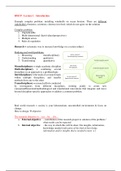
Psychosocial problems: their nature and covariation
Experts distinguish among three categories of problems in adolescence: substance abuse, internalizing
problems, and externalizing problems.
Substance abuse The misuse of alcohol or other drugs to a degree that causes problems in the
individual’s life.
Externalizing disorders Psychosocial problems that are manifested in a turning of the
symptoms outward, as in aggression or delinquency.
Internalizing disorders Psychosocial problems that are manifested in a turning of the
symptoms inward, as in depression or anxiety.
There is a great deal of covariation, or “comorbidity,” among different psychosocial problems during
adolescence within and across these broad categories.
Comorbid Co-occurring, as when an individual has more than one problem at the same time.
Adolescents who engage in delinquency are more likely than their peers to be truant, to engage in
precocious sexual behaviour, and to commit acts of aggression—a pattern that has been termed
“problem behaviour syndrome. ”
Problem behaviour syndrome = The covariation among various types of externalizing
disorders believed to result from an underlying trait of unconventionality.
Social control theory = A theory of delinquency that links deviance with the absence of bonds
to society’s main institutions.
Negative emotionality = The presumed underlying cause of internalizing disorders,
characterized by high levels of subjective distress.
Adolescents who are high in negative emotionality are more likely to suffer from depression, feel
anxious, and report other symptoms of distress.
, Substance use and abuse
Our society sends young people mixed messages about drugs and alcohol. Television programs aimed at
preadolescents urge viewers to “Just Say No!” but the football games and sitcoms that many of these
same viewers watch tell them, no less subtly, that having a good time with friends is virtually impossible
without something alcoholic to drink.
The mixed signals sent to young people about drugs reflect the inconsistent way that we view these
substances as a society: Some drugs (like alcohol or Adderall) are fine, as long as they are not abused,
but others (like marijuana or ecstasy) are not; some drinking (enough to relax at a party) is socially
appropriate, but too much (enough to impair an automobile driver) is not; some people (those over 21)
are old enough to handle drugs, but others (those under 21) are not.
The popular stereotype of contemporary young people is that they use and abuse a wide range of drugs
more than their counterparts did previously, that the main reason adolescents use drugs is peer
pressure, and that the “epidemic” level of substance use among American teenagers is behind many of
the other problems associated with this age group—including academic underachievement, early
pregnancy, suicide, and crime. These beliefs are simple and comfortable, but not always correct. Grains
of truth but also many misconceptions about the subject.
Prevalence of substance use and abuse
Monitoring the Future = an annual survey of a nationwide sample of American 8th-, 10th-, and
12th-graders, mainly known for its data on adolescent substance use.
Drugs of choice
Alcohol is by far the most commonly used and abused substance, in terms of both prevalence (the
percentage of teenagers who have ever used the drug) and recency of use (the percentage of teenagers
who have used the drug within the last month), followed by marijuana and tobacco.
After marijuana and tobacco, however, the percentage of young people who have tried various other
drugs drops precipitously.
Although alcohol and tobacco use among adolescents in most European countries is substantially higher
than it is in the United States, twice as many American than European adolescents regularly use illicit
drugs (mainly marijuana).
Affecting health & well-being look at daily use. Daily use is infrequent, even among older teens.
Binge drinking = consuming five or more drinks in a row on one occasion, an indicator of alcohol
abuse.
Rates of drink & drive = alarming.
Many adolescents who drink do so to excess. But only a very small proportion of young people have
serious drug dependency problems (which would lead to daily use) or use hard drugs at all. Moreover, it
is very unlikely that drug and alcohol use lurks behind the wide assortment of adolescent problems for
which it is so frequently blamed. Rather, the pattern suggests that most adolescents have experimented
with alcohol, marijuana, and tobacco; that many have used one or more of these drugs regularly; that
alcohol is clearly the drug of choice among teenagers (a substantial proportion of whom drink to
excess); and that most teenagers have not experimented with other drugs.
Changes in substance use over time
Marijuana = on the rise. Continuing increase in the proportion of high school students who get high
daily.
Alcohol use has declined slowly. Teen smoking decreased a lot (price of cigarettes). High price of
cigarettes is by far the best thing to do to be efficient. continuing increase in the proportion of high
school students who get high daily.
+ Depression, non-suicidal self-injury
and suicide
In accordance with the syllabus for the second exam, this part focuses on Substance
use and delinquency + depression, non-suicidal self-injury and suicide (chapter 13 of the book).
A = adolescent; ace = adolescence; = = is/are; envt = environment, dvpt =
development.
Some general principles about problems in adolescence
The vast majority of individuals do not develop serious psychological or social problems during the
adolescent years, but a significant minority do.
It is important to distinguish between experimentation and enduring patterns of behaviour, between
problems that have their origins during adolescence and those that do not, and between problems that
are transitory and those that persist into adulthood.
Serious problem behaviour during adolescence is rarely a direct consequence of the normative changes
of adolescence itself.
Psychosocial problems: their nature and covariation
Experts distinguish among three categories of problems in adolescence: substance abuse, internalizing
problems, and externalizing problems.
Substance abuse The misuse of alcohol or other drugs to a degree that causes problems in the
individual’s life.
Externalizing disorders Psychosocial problems that are manifested in a turning of the
symptoms outward, as in aggression or delinquency.
Internalizing disorders Psychosocial problems that are manifested in a turning of the
symptoms inward, as in depression or anxiety.
There is a great deal of covariation, or “comorbidity,” among different psychosocial problems during
adolescence within and across these broad categories.
Comorbid Co-occurring, as when an individual has more than one problem at the same time.
Adolescents who engage in delinquency are more likely than their peers to be truant, to engage in
precocious sexual behaviour, and to commit acts of aggression—a pattern that has been termed
“problem behaviour syndrome. ”
Problem behaviour syndrome = The covariation among various types of externalizing
disorders believed to result from an underlying trait of unconventionality.
Social control theory = A theory of delinquency that links deviance with the absence of bonds
to society’s main institutions.
Negative emotionality = The presumed underlying cause of internalizing disorders,
characterized by high levels of subjective distress.
Adolescents who are high in negative emotionality are more likely to suffer from depression, feel
anxious, and report other symptoms of distress.
, Substance use and abuse
Our society sends young people mixed messages about drugs and alcohol. Television programs aimed at
preadolescents urge viewers to “Just Say No!” but the football games and sitcoms that many of these
same viewers watch tell them, no less subtly, that having a good time with friends is virtually impossible
without something alcoholic to drink.
The mixed signals sent to young people about drugs reflect the inconsistent way that we view these
substances as a society: Some drugs (like alcohol or Adderall) are fine, as long as they are not abused,
but others (like marijuana or ecstasy) are not; some drinking (enough to relax at a party) is socially
appropriate, but too much (enough to impair an automobile driver) is not; some people (those over 21)
are old enough to handle drugs, but others (those under 21) are not.
The popular stereotype of contemporary young people is that they use and abuse a wide range of drugs
more than their counterparts did previously, that the main reason adolescents use drugs is peer
pressure, and that the “epidemic” level of substance use among American teenagers is behind many of
the other problems associated with this age group—including academic underachievement, early
pregnancy, suicide, and crime. These beliefs are simple and comfortable, but not always correct. Grains
of truth but also many misconceptions about the subject.
Prevalence of substance use and abuse
Monitoring the Future = an annual survey of a nationwide sample of American 8th-, 10th-, and
12th-graders, mainly known for its data on adolescent substance use.
Drugs of choice
Alcohol is by far the most commonly used and abused substance, in terms of both prevalence (the
percentage of teenagers who have ever used the drug) and recency of use (the percentage of teenagers
who have used the drug within the last month), followed by marijuana and tobacco.
After marijuana and tobacco, however, the percentage of young people who have tried various other
drugs drops precipitously.
Although alcohol and tobacco use among adolescents in most European countries is substantially higher
than it is in the United States, twice as many American than European adolescents regularly use illicit
drugs (mainly marijuana).
Affecting health & well-being look at daily use. Daily use is infrequent, even among older teens.
Binge drinking = consuming five or more drinks in a row on one occasion, an indicator of alcohol
abuse.
Rates of drink & drive = alarming.
Many adolescents who drink do so to excess. But only a very small proportion of young people have
serious drug dependency problems (which would lead to daily use) or use hard drugs at all. Moreover, it
is very unlikely that drug and alcohol use lurks behind the wide assortment of adolescent problems for
which it is so frequently blamed. Rather, the pattern suggests that most adolescents have experimented
with alcohol, marijuana, and tobacco; that many have used one or more of these drugs regularly; that
alcohol is clearly the drug of choice among teenagers (a substantial proportion of whom drink to
excess); and that most teenagers have not experimented with other drugs.
Changes in substance use over time
Marijuana = on the rise. Continuing increase in the proportion of high school students who get high
daily.
Alcohol use has declined slowly. Teen smoking decreased a lot (price of cigarettes). High price of
cigarettes is by far the best thing to do to be efficient. continuing increase in the proportion of high
school students who get high daily.