Making Diversity Work
1. The many faces of diversity
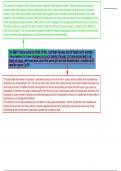
1.1 Inequality = seven headed monster
• if you slay one, another pops up or unintended
consequences for slaying a head
1.2 Mul -level, interdisciplinary approach
= to gain understanding of how to promote D&I
• symbolic level
= how are different social groups & their societal roles represented in the linguistic, narrative & visual
structures that shape the organization
- e.g. hi students vs hi ladies & gentlemen, set up of lecture vs workgroup (hierarchy)
disciplines: humanities (history, art, …)
• institutional level
= what are effective responses to inequality & exclusion at work on the institutional level
- e.g. formal guidelines, structures in place such as a ‘complaints officer’ being present
disciplines: business, economics, law
• experiential level
= how do members of different social groups experience the many forms of inequality in the workplace &
how do they experience institutional measures aimed at correcting these inequalities, how in real life
disciplines: psychology, social science
• (interactional level)
= levels interact & influence each other
- e.g. quota raise barriers or responses somewhere else (woman might fear that other see them
trough the policy (not hired for talent)) -> experiential level added to institutional
- e.g. institutional solutions addressing one part of issue may not be effective to approach the
problem if you don’t consider how they might effect other parts e.g. gender bias
1.2 Diversity
= anything that distinguishes people from one another BUT most attention for dimensions on which differences in
outcomes & discrimination occur
• dimensions
Jackson & Joshi
- surface-level dissimilarity: relatively visible/readily detectable
• e.g. age, gender, ethnicity, … to some extent
- deep-level dissimilarity: relatively invisible/underlying
• e.g. sexuality, beliefs and values, parts of ethnicity, …
- relationship-oriented attributes
• e.g. sexual orientation
- task-oriented attributes
Galinsky
- present in groups, communities & nations
- acquired through individual’s personal experiences
• e.g. exchange year
1
ti
, • feeling different & grounds for it
more feel invisible different than visible/both
in dutch organisations
- personality: often not considered in D&I, because not linked to
equality (important though)
- D&I often very differently focused than this
1.3 Reason for improving D&I
important to know because it effects the methods & effectiveness
• moral
equal treatment: same policy regardless of characteristics
equal opportunity: offer same to everyone, doesn’t mean they will reach same outcome when using it
equal outcomes: regardless on input
• societal
emphasize good outcomes
concern for consequences of inequality
- e.g. aging population/tight labor market
more practical rather than ethical
- e.g. police working on ethnic diversity in relation to race riots
• compliance (with government regulation)
do what they are required to do
- e.g. labor law
• synergetic
concerned with the relationship between employee & organization
personal & business & economic growth
employee satisfaction & harmony among employees
-> where personal & business goals meet
• business-economic: ‘business-case’ for diversity
all about profit
attract diverse employees
increase service to diverse populations
increase well-being, retention of employees
improve relations between employees
increase creativity and productivity
reduce lawsuits/legal challenges, enhance reputations
no clear scientific evidence that diversity leads to better performance & innovation
- social identity theory: easier to work with similar people, otherwise conflict
- similarity attraction theory: easier to work with similar people, otherwise conflict
- information-elaboration processes: diversity is good, more perspectives, more knowledge etc.
2
, - -> diversity paradox: might expect negative & positive consequences of diversity BUT climate for
inclusion is key
• from people similar to us we might expect similar thoughts, ideas, … -> wouldn’t ask
• Sahin
diversity could enable effective decision making if dimensions are directly linked to
things that contribute to creativity/performance
- only if feel safe enough to share different perspectives -> climate for inclusion
1.4 Inclusion
• climate for inclusion
- fair & unbiased treatment of employees
- open toward & values differences between employees
- includes all employees in decision making
- not worried about the status quo (share thoughts freely)
perceived inclusion
- group gives employees sense of authenticity &
belonging
- Sahin: feeling invisibly dissimilar -> negatively
related to sense of inclusion
• inclusive climate as buffer
- results
• Feeling different not the problem but
difference being related to lower inclusion ->
differences not valued
• everyone benefits from climate for inclusion
gender-inclusive bathrooms in
organizations (signal of ‘egalitarian social
environment’)
• deep-level more important than surface-level
for social inclusion at work (not always found)
• mechanisms of inclusion
social categorization & intergroup bias
similarity-attraction (e.g. subgroup formation)
minority stress & related processes (e.g. monitoring
environment for cues of belonging)
• restricted success of D&I policies
policies usually based on what people think will work
(gut feeling) rather than science
1.5 From Best Prac ces to Best Methods
• diversion & inclusion policies should be (Vink)
integrated: covering the full HR cycle
systematically developed & implemented
based on scientific insights
- results of science not really reaching
organizations (papers are not
accessible, because knowledge not
there, …) -> monitor is hoping to
bridge this gap
3
ti
1. The many faces of diversity
1.1 Inequality = seven headed monster
• if you slay one, another pops up or unintended
consequences for slaying a head
1.2 Mul -level, interdisciplinary approach
= to gain understanding of how to promote D&I
• symbolic level
= how are different social groups & their societal roles represented in the linguistic, narrative & visual
structures that shape the organization
- e.g. hi students vs hi ladies & gentlemen, set up of lecture vs workgroup (hierarchy)
disciplines: humanities (history, art, …)
• institutional level
= what are effective responses to inequality & exclusion at work on the institutional level
- e.g. formal guidelines, structures in place such as a ‘complaints officer’ being present
disciplines: business, economics, law
• experiential level
= how do members of different social groups experience the many forms of inequality in the workplace &
how do they experience institutional measures aimed at correcting these inequalities, how in real life
disciplines: psychology, social science
• (interactional level)
= levels interact & influence each other
- e.g. quota raise barriers or responses somewhere else (woman might fear that other see them
trough the policy (not hired for talent)) -> experiential level added to institutional
- e.g. institutional solutions addressing one part of issue may not be effective to approach the
problem if you don’t consider how they might effect other parts e.g. gender bias
1.2 Diversity
= anything that distinguishes people from one another BUT most attention for dimensions on which differences in
outcomes & discrimination occur
• dimensions
Jackson & Joshi
- surface-level dissimilarity: relatively visible/readily detectable
• e.g. age, gender, ethnicity, … to some extent
- deep-level dissimilarity: relatively invisible/underlying
• e.g. sexuality, beliefs and values, parts of ethnicity, …
- relationship-oriented attributes
• e.g. sexual orientation
- task-oriented attributes
Galinsky
- present in groups, communities & nations
- acquired through individual’s personal experiences
• e.g. exchange year
1
ti
, • feeling different & grounds for it
more feel invisible different than visible/both
in dutch organisations
- personality: often not considered in D&I, because not linked to
equality (important though)
- D&I often very differently focused than this
1.3 Reason for improving D&I
important to know because it effects the methods & effectiveness
• moral
equal treatment: same policy regardless of characteristics
equal opportunity: offer same to everyone, doesn’t mean they will reach same outcome when using it
equal outcomes: regardless on input
• societal
emphasize good outcomes
concern for consequences of inequality
- e.g. aging population/tight labor market
more practical rather than ethical
- e.g. police working on ethnic diversity in relation to race riots
• compliance (with government regulation)
do what they are required to do
- e.g. labor law
• synergetic
concerned with the relationship between employee & organization
personal & business & economic growth
employee satisfaction & harmony among employees
-> where personal & business goals meet
• business-economic: ‘business-case’ for diversity
all about profit
attract diverse employees
increase service to diverse populations
increase well-being, retention of employees
improve relations between employees
increase creativity and productivity
reduce lawsuits/legal challenges, enhance reputations
no clear scientific evidence that diversity leads to better performance & innovation
- social identity theory: easier to work with similar people, otherwise conflict
- similarity attraction theory: easier to work with similar people, otherwise conflict
- information-elaboration processes: diversity is good, more perspectives, more knowledge etc.
2
, - -> diversity paradox: might expect negative & positive consequences of diversity BUT climate for
inclusion is key
• from people similar to us we might expect similar thoughts, ideas, … -> wouldn’t ask
• Sahin
diversity could enable effective decision making if dimensions are directly linked to
things that contribute to creativity/performance
- only if feel safe enough to share different perspectives -> climate for inclusion
1.4 Inclusion
• climate for inclusion
- fair & unbiased treatment of employees
- open toward & values differences between employees
- includes all employees in decision making
- not worried about the status quo (share thoughts freely)
perceived inclusion
- group gives employees sense of authenticity &
belonging
- Sahin: feeling invisibly dissimilar -> negatively
related to sense of inclusion
• inclusive climate as buffer
- results
• Feeling different not the problem but
difference being related to lower inclusion ->
differences not valued
• everyone benefits from climate for inclusion
gender-inclusive bathrooms in
organizations (signal of ‘egalitarian social
environment’)
• deep-level more important than surface-level
for social inclusion at work (not always found)
• mechanisms of inclusion
social categorization & intergroup bias
similarity-attraction (e.g. subgroup formation)
minority stress & related processes (e.g. monitoring
environment for cues of belonging)
• restricted success of D&I policies
policies usually based on what people think will work
(gut feeling) rather than science
1.5 From Best Prac ces to Best Methods
• diversion & inclusion policies should be (Vink)
integrated: covering the full HR cycle
systematically developed & implemented
based on scientific insights
- results of science not really reaching
organizations (papers are not
accessible, because knowledge not
there, …) -> monitor is hoping to
bridge this gap
3
ti