Contents
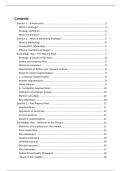
Session 1 – Introduction...................................................................................... 3
What is strategy?............................................................................................. 4
Strategy definition:.......................................................................................... 4
What are actions?............................................................................................ 5
Session 2 – What is Marketing Strategy?.............................................................5
What is Marketing?........................................................................................... 6
Competitive advantage.................................................................................... 6
What is marketing strategy?............................................................................ 7
Knowledge clips – The Playing Field....................................................................7
Strategic analysis of the field:..........................................................................8
Define your playing field:................................................................................. 8
Where to compete?.......................................................................................... 8
Approaches to define your relevant market:....................................................8
Steps of market segmentation:........................................................................9
a. Customer Segmentation............................................................................... 9
Benefit segmentation:...................................................................................... 9
Sinus milieus:................................................................................................... 9
b. Competitor Segmentation..........................................................................10
Definition of strategic groups:........................................................................10
Market cultivation........................................................................................... 10
Key takeaways:.............................................................................................. 10
Session 3 – The Playing Field............................................................................. 11
Segmentation................................................................................................. 11
Segments vs personas................................................................................... 11
Cluster analysis.............................................................................................. 11
Dynamic segmentation.................................................................................. 11
Knowledge clips – Behavior of the Players........................................................12
Behavior of the players on the market...........................................................12
Price Leadership............................................................................................. 12
Key takeaways:.............................................................................................. 15
Quality leadership.......................................................................................... 15
Definition quality:........................................................................................... 16
Decision process:........................................................................................... 16
Key takeaways............................................................................................... 17
Hybrid Price/Quality Strategies......................................................................18
“Stuck in the middle”:.................................................................................... 18
, Time Leadership............................................................................................. 18
Which case am I?........................................................................................... 19
Incumbent...................................................................................................... 19
Innovator........................................................................................................ 20
Players in a new market................................................................................. 20
Pioneer advantage......................................................................................... 20
Network effects.............................................................................................. 21
The Chasm..................................................................................................... 21
Red ocean markets......................................................................................... 21
Blue ocean markets........................................................................................ 21
What can we learn from disruptors?...............................................................22
The Value Proposition..................................................................................... 22
Example of Value proposition:........................................................................22
Business model.............................................................................................. 22
9 components for the business model:..........................................................23
Session 4 – The Behavior of the Players............................................................23
Approaches to reach brand distinctiveness....................................................24
Implications:................................................................................................... 24
Paper: Ritson (2024).......................................................................................... 24
Paper: Siebert et.al............................................................................................ 25
Smooth or Sticky Journey?.............................................................................. 25
Session 5 – Calyx & Corolla Case.......................................................................25
Business problem........................................................................................... 25
Current positioning......................................................................................... 25
Segmentation approaches............................................................................. 26
Knowledge clips – Ethics.................................................................................... 26
Moral problem................................................................................................ 26
Utilitarianism.................................................................................................. 26
Example:........................................................................................................ 26
Deontology..................................................................................................... 27
Universalization:............................................................................................. 27
Example:........................................................................................................ 27
Contract theory.............................................................................................. 27
Virtue ethics................................................................................................... 28
Communitarianism......................................................................................... 28
Shareholder theory......................................................................................... 28
Enlightened Stakeholder Theory:...................................................................28
Stakeholder theory:........................................................................................ 28
, Session 6 – Ethics.............................................................................................. 29
Ethics in Business is about:............................................................................ 29
Components of moral decision-making:.........................................................29
Crowding out effect:....................................................................................... 29
Ethical Reasoning as a Practical Syllogism.....................................................29
Moral framing................................................................................................. 30
Paper: Chaput et.al............................................................................................ 30
Moral components in Beyond Meat’s strategy:...............................................30
Knowledge clips – The Rules of the Game.........................................................30
Exogenous rules............................................................................................. 30
Endogenous rules........................................................................................... 31
Session 7 – Dynamic Strategy Adaption............................................................31
Do these views (sustainable vs. transient) really exclude each other?..........31
Changing the playing field............................................................................. 31
Changing the rules......................................................................................... 32
Changing the behavior................................................................................... 32
Session 1 – Introduction
Goal ≠ Strategy
Goals:
Desired future, can be set on different organizational levels
1. Corporate goals
2. SBU (Strategic business unit) goals = different product categories belong
to different business units (different product, competitors, customers etc.)
Philips Medical and Philips Light
3. Functional goals (Marketing, HR, Finance -> e.g. get the costs down by
10% etc.)
Goals need to be congruent (not conflicting)
, Netflix example
What is strategy?
Flexible game(s) plan -> Strategy is a game plan for achieving (long-
term) goals
Strategy = connection between goals and actions
Strategies can be implemented on three levels:
Corporate strategies = focuses on fundamental decisions that influence the
firm as a whole (the different business units should be different from each other)
e.g. selection of markets
SBU strategies seek to gain competitive advantage in their unit; must be in line
with corporate strategies
Netflix Example (Corporate also = SBU)
Goal: Become the best global entertainment distribution service
Strategy: Build on easy access and superior customer experience, offer the
widest
catalogue of content, license entertainment content all over the world etc.
Functional strategies focus on fundamental decisions in these functional areas
(such as pricing, promotion, distribution, finance, sales)
Strategy definition:
A Strategy provides a medium- to long-term (flexible) plan for future actions.
Strategy represents the connection between goals and (operative) actions.
Goals are therefore not part of the strategy, but its normative reference point.
Strategies are not fixed but need to be adaptable to changing environmental
conditions.
Session 1 – Introduction...................................................................................... 3
What is strategy?............................................................................................. 4
Strategy definition:.......................................................................................... 4
What are actions?............................................................................................ 5
Session 2 – What is Marketing Strategy?.............................................................5
What is Marketing?........................................................................................... 6
Competitive advantage.................................................................................... 6
What is marketing strategy?............................................................................ 7
Knowledge clips – The Playing Field....................................................................7
Strategic analysis of the field:..........................................................................8
Define your playing field:................................................................................. 8
Where to compete?.......................................................................................... 8
Approaches to define your relevant market:....................................................8
Steps of market segmentation:........................................................................9
a. Customer Segmentation............................................................................... 9
Benefit segmentation:...................................................................................... 9
Sinus milieus:................................................................................................... 9
b. Competitor Segmentation..........................................................................10
Definition of strategic groups:........................................................................10
Market cultivation........................................................................................... 10
Key takeaways:.............................................................................................. 10
Session 3 – The Playing Field............................................................................. 11
Segmentation................................................................................................. 11
Segments vs personas................................................................................... 11
Cluster analysis.............................................................................................. 11
Dynamic segmentation.................................................................................. 11
Knowledge clips – Behavior of the Players........................................................12
Behavior of the players on the market...........................................................12
Price Leadership............................................................................................. 12
Key takeaways:.............................................................................................. 15
Quality leadership.......................................................................................... 15
Definition quality:........................................................................................... 16
Decision process:........................................................................................... 16
Key takeaways............................................................................................... 17
Hybrid Price/Quality Strategies......................................................................18
“Stuck in the middle”:.................................................................................... 18
, Time Leadership............................................................................................. 18
Which case am I?........................................................................................... 19
Incumbent...................................................................................................... 19
Innovator........................................................................................................ 20
Players in a new market................................................................................. 20
Pioneer advantage......................................................................................... 20
Network effects.............................................................................................. 21
The Chasm..................................................................................................... 21
Red ocean markets......................................................................................... 21
Blue ocean markets........................................................................................ 21
What can we learn from disruptors?...............................................................22
The Value Proposition..................................................................................... 22
Example of Value proposition:........................................................................22
Business model.............................................................................................. 22
9 components for the business model:..........................................................23
Session 4 – The Behavior of the Players............................................................23
Approaches to reach brand distinctiveness....................................................24
Implications:................................................................................................... 24
Paper: Ritson (2024).......................................................................................... 24
Paper: Siebert et.al............................................................................................ 25
Smooth or Sticky Journey?.............................................................................. 25
Session 5 – Calyx & Corolla Case.......................................................................25
Business problem........................................................................................... 25
Current positioning......................................................................................... 25
Segmentation approaches............................................................................. 26
Knowledge clips – Ethics.................................................................................... 26
Moral problem................................................................................................ 26
Utilitarianism.................................................................................................. 26
Example:........................................................................................................ 26
Deontology..................................................................................................... 27
Universalization:............................................................................................. 27
Example:........................................................................................................ 27
Contract theory.............................................................................................. 27
Virtue ethics................................................................................................... 28
Communitarianism......................................................................................... 28
Shareholder theory......................................................................................... 28
Enlightened Stakeholder Theory:...................................................................28
Stakeholder theory:........................................................................................ 28
, Session 6 – Ethics.............................................................................................. 29
Ethics in Business is about:............................................................................ 29
Components of moral decision-making:.........................................................29
Crowding out effect:....................................................................................... 29
Ethical Reasoning as a Practical Syllogism.....................................................29
Moral framing................................................................................................. 30
Paper: Chaput et.al............................................................................................ 30
Moral components in Beyond Meat’s strategy:...............................................30
Knowledge clips – The Rules of the Game.........................................................30
Exogenous rules............................................................................................. 30
Endogenous rules........................................................................................... 31
Session 7 – Dynamic Strategy Adaption............................................................31
Do these views (sustainable vs. transient) really exclude each other?..........31
Changing the playing field............................................................................. 31
Changing the rules......................................................................................... 32
Changing the behavior................................................................................... 32
Session 1 – Introduction
Goal ≠ Strategy
Goals:
Desired future, can be set on different organizational levels
1. Corporate goals
2. SBU (Strategic business unit) goals = different product categories belong
to different business units (different product, competitors, customers etc.)
Philips Medical and Philips Light
3. Functional goals (Marketing, HR, Finance -> e.g. get the costs down by
10% etc.)
Goals need to be congruent (not conflicting)
, Netflix example
What is strategy?
Flexible game(s) plan -> Strategy is a game plan for achieving (long-
term) goals
Strategy = connection between goals and actions
Strategies can be implemented on three levels:
Corporate strategies = focuses on fundamental decisions that influence the
firm as a whole (the different business units should be different from each other)
e.g. selection of markets
SBU strategies seek to gain competitive advantage in their unit; must be in line
with corporate strategies
Netflix Example (Corporate also = SBU)
Goal: Become the best global entertainment distribution service
Strategy: Build on easy access and superior customer experience, offer the
widest
catalogue of content, license entertainment content all over the world etc.
Functional strategies focus on fundamental decisions in these functional areas
(such as pricing, promotion, distribution, finance, sales)
Strategy definition:
A Strategy provides a medium- to long-term (flexible) plan for future actions.
Strategy represents the connection between goals and (operative) actions.
Goals are therefore not part of the strategy, but its normative reference point.
Strategies are not fixed but need to be adaptable to changing environmental
conditions.