Tekstanalyse en vertaling
PART ONE: TEXT ANALYSIS............................................................................................................................. 2
1. DEFINING CONCEPTS..............................................................................................................................................2
2. TEXT AS INTERACTION............................................................................................................................................2
3. INTERACTION IN TEXT.............................................................................................................................................3
4. RECOGNIZING TEXT TYPES AND CHARACTERISTICS........................................................................................................3
5. COHESION IN TEXTS...............................................................................................................................................4
6. HUMOUR.............................................................................................................................................................5
PART TWO: TRANSLATION............................................................................................................................. 7
1. PRACTICAL PRINCIPLES OF TRANSLATION....................................................................................................................7
2. TRANSLATION.......................................................................................................................................................7
1
, Part one: text analysis
1. Defining concepts
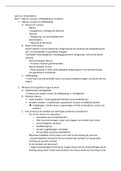
Discourse
o language produced as a result of an act of communication
o beyond formal characteristics; looks at the way language helps us to express sth and
how it is used to make texts
o the wider picture: bigger chunks of language (instead of only e.g. syntax or
morphology) + importance of context (background, people, environment)
o paragraph structure, vocabulary patterns, linking words, anaphora and cataphora,
function in cultural and social context
Pragmatics
o part of linguistics that looks at the way language and context interact: actual use of
language + reading between the lines
o looks at meaning with reference to users or purpose of communication
o interpretation of language with knowledge of the world; influence of relationships
between speaker and listener
o what people mean is more important than what phrases mean by themselves
o semantics: literal or sentence meaning
Text
o spoken or written unit of communication that exists on its own with its own structure,
that functions as an act of communication
o Hoey: reasonably self-contained purposeful interaction between one or more writers
and one or more readers, in which writers control characteristically all the language
2. Text as interaction
Possible view: two possible representations of interaction writer-reader
o RRRWRRR (most traditional view)
- writer has control
- reader in awe of writer and text
- reader takes text ‘in hope of enlightenment’
o WWWRWWW
- reader decides what he wants to read
- reader uses text
- e.g. dictionary, time table, textbook, e-mail, fiction (skipping boring description)
Other view: text as interaction between four participants
o author
- authorizes the text, wants it written
- takes responsibility for existence of text
production - can be an individual or organization; possibly the same as the writer
o writer
- composes the text, actually writes it
- takes responsibility for the language and content of the text
2
PART ONE: TEXT ANALYSIS............................................................................................................................. 2
1. DEFINING CONCEPTS..............................................................................................................................................2
2. TEXT AS INTERACTION............................................................................................................................................2
3. INTERACTION IN TEXT.............................................................................................................................................3
4. RECOGNIZING TEXT TYPES AND CHARACTERISTICS........................................................................................................3
5. COHESION IN TEXTS...............................................................................................................................................4
6. HUMOUR.............................................................................................................................................................5
PART TWO: TRANSLATION............................................................................................................................. 7
1. PRACTICAL PRINCIPLES OF TRANSLATION....................................................................................................................7
2. TRANSLATION.......................................................................................................................................................7
1
, Part one: text analysis
1. Defining concepts
Discourse
o language produced as a result of an act of communication
o beyond formal characteristics; looks at the way language helps us to express sth and
how it is used to make texts
o the wider picture: bigger chunks of language (instead of only e.g. syntax or
morphology) + importance of context (background, people, environment)
o paragraph structure, vocabulary patterns, linking words, anaphora and cataphora,
function in cultural and social context
Pragmatics
o part of linguistics that looks at the way language and context interact: actual use of
language + reading between the lines
o looks at meaning with reference to users or purpose of communication
o interpretation of language with knowledge of the world; influence of relationships
between speaker and listener
o what people mean is more important than what phrases mean by themselves
o semantics: literal or sentence meaning
Text
o spoken or written unit of communication that exists on its own with its own structure,
that functions as an act of communication
o Hoey: reasonably self-contained purposeful interaction between one or more writers
and one or more readers, in which writers control characteristically all the language
2. Text as interaction
Possible view: two possible representations of interaction writer-reader
o RRRWRRR (most traditional view)
- writer has control
- reader in awe of writer and text
- reader takes text ‘in hope of enlightenment’
o WWWRWWW
- reader decides what he wants to read
- reader uses text
- e.g. dictionary, time table, textbook, e-mail, fiction (skipping boring description)
Other view: text as interaction between four participants
o author
- authorizes the text, wants it written
- takes responsibility for existence of text
production - can be an individual or organization; possibly the same as the writer
o writer
- composes the text, actually writes it
- takes responsibility for the language and content of the text
2