Prof.
Ingelbien
BA III - 2025
ENGLISH LITERATURE
SHAKESPEARE
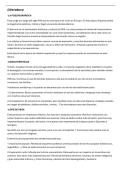
CLASS 1 – INTRODUCTION
Midsummer night’s dream (1596) = comedies that question w/ focus on laughter
https://www-oxfordscholarlyeditions-com.kuleuven.e- contemporary beliefs (s.a. BUT what is subject of laughter?
bronnen.be/nos/display/10.1093/actrade/ unbalanced gender roles) ethics of
9780199591152.book.1/actrade-9780199591152-607-div2-1? comedy/laughter
product=nos&t-1=workmap-tab&p3-1=0 Shakespeare aware: where
did he draw the line?
+ reflection on relation comedy
– laughter
Need for comedy to
produce? Laughter good or
evil (< puritanism)?
= Stage > Text has comical
plays text? potential BUT ≠ effect
itself!
Need for stage to
make effect Ex. battle @
apparent Agincourt
YET language as
medium that creates Ex. introduction of
illusion new words: Sh.
< times when limits of Invented vast
English language were vocabulary
explored
creates humour Ex. Lower class
through language: mangle vocab but
improper vocab by use stronger words
certain characters to sound smart
BUT these were new correct use (s.a.
words so occurred ‘suffer salvation’)
frequently
= real!
, Prof.
Ingelbien
BA III - 2025
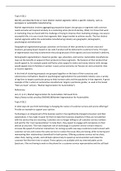
Can make fun of
that?
Sh. Reflects on SOME more sense on paper
play & language (ex. Faeries in MSND)
(meta language) = butchered on stage?
Part of imagination
= in reading
= delight laughter
Delight Laughter
Dulci et ethical &
utile cheap
aesthetic
belifs
= popular MSND: Mentions the supernatural & reflects on own
works imagination romantics
MAAN: Benedick and Beatrice’s marriage as
inspirational
Sh. = more than playwriter: also poet (ex.
Popular Sonnets)
serious & didn’t always write plays:
author? 1) Comedies
2) Tragedies: more prestigious
OR Sh. became more serious
OR because of censorship
≠ real evidence:
Ex. Quarto ‘a’ Troilus & Cressida:
mentions it’s first acted out and text
was then strongly anticipated
Quarto ‘b’ Troilus & Cressida: play
isn’t for stage, as the audience is
vulgar appreciative elite readers +
is written in 3rd p
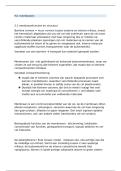
BUT no real +) Annotations overlap BUT weren’t unique
, Prof.
Ingelbien
BA III - 2025
Much ado about nothing (1598) evidence that passages, but popular with every reader!
https://www-oxfordscholarlyeditions-com.kuleuven.e- ‘Shakespeare’
bronnen.be/nos/display/10.1093/actrade/ wrote these -) Earl of Oxford died in 1604 some plays date
9780199591152.book.1/actrade-9780199591152-638-div3-1? works: around 1610
product=nos&t-1=workmap-tab&p3-1=0 Ex. Edward & references to Gunpowder Plot in Macbeth BUT
Devire of can be added passage?
Oxford? Queen ‘Shakespeare’ just a front?
Elizabeth? Etc. < plays seen as ‘vulgar’, so nobility had to be
anonymous and hid behind this character
= widespread belief, but we’ll assume he was
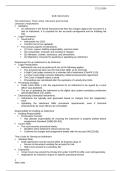
CLASS 2 – SHAKESPEARE AND COMEDY
The play - Tragedie Ends badly (ex. death)
s comedy: ends happily (ex. Marriage)
Sh especially < pessimistic with age?
towards later
works < later comedies as unsatisfactory (ex. Some darker comedies so problematic
- Mysteries AWTEW, Troilus and Cressida, Measure should be called ‘problem plays’ (ex.
for Measure: dark subjects raised Merchant of Venice)
questions)
Different fools:
< change of fool in 1599: replaced 2 1) Will Kemp : stand-up comedian,
- Comedie years later with different kind of fool slapstick, improved with audience
s interaction
Popular
2) Robert Armin: smart fool – laugh at
sophisticated, sinical jokes (ex. King
Lear: laughter that flatters those smart
enough to get it; ex. Hamlet: skull
introduced as jester)
< medieval drama: didn’t rely on classics (for erudite)
- Mysterie plays
- Morality plays: religious festivals, lives of saints, vices and virtues, allegories
- Miracle plays
Followed atypical template
< renaissance: revival tragedies and comedies church’s Imitation/adaptation & emulation
censorship classics
Sh use Roman Empire and flaws as laughing stock: Classical modes imitated
Ingelbien
BA III - 2025
ENGLISH LITERATURE
SHAKESPEARE
CLASS 1 – INTRODUCTION
Midsummer night’s dream (1596) = comedies that question w/ focus on laughter
https://www-oxfordscholarlyeditions-com.kuleuven.e- contemporary beliefs (s.a. BUT what is subject of laughter?
bronnen.be/nos/display/10.1093/actrade/ unbalanced gender roles) ethics of
9780199591152.book.1/actrade-9780199591152-607-div2-1? comedy/laughter
product=nos&t-1=workmap-tab&p3-1=0 Shakespeare aware: where
did he draw the line?
+ reflection on relation comedy
– laughter
Need for comedy to
produce? Laughter good or
evil (< puritanism)?
= Stage > Text has comical
plays text? potential BUT ≠ effect
itself!
Need for stage to
make effect Ex. battle @
apparent Agincourt
YET language as
medium that creates Ex. introduction of
illusion new words: Sh.
< times when limits of Invented vast
English language were vocabulary
explored
creates humour Ex. Lower class
through language: mangle vocab but
improper vocab by use stronger words
certain characters to sound smart
BUT these were new correct use (s.a.
words so occurred ‘suffer salvation’)
frequently
= real!
, Prof.
Ingelbien
BA III - 2025
Can make fun of
that?
Sh. Reflects on SOME more sense on paper
play & language (ex. Faeries in MSND)
(meta language) = butchered on stage?
Part of imagination
= in reading
= delight laughter
Delight Laughter
Dulci et ethical &
utile cheap
aesthetic
belifs
= popular MSND: Mentions the supernatural & reflects on own
works imagination romantics
MAAN: Benedick and Beatrice’s marriage as
inspirational
Sh. = more than playwriter: also poet (ex.
Popular Sonnets)
serious & didn’t always write plays:
author? 1) Comedies
2) Tragedies: more prestigious
OR Sh. became more serious
OR because of censorship
≠ real evidence:
Ex. Quarto ‘a’ Troilus & Cressida:
mentions it’s first acted out and text
was then strongly anticipated
Quarto ‘b’ Troilus & Cressida: play
isn’t for stage, as the audience is
vulgar appreciative elite readers +
is written in 3rd p
BUT no real +) Annotations overlap BUT weren’t unique
, Prof.
Ingelbien
BA III - 2025
Much ado about nothing (1598) evidence that passages, but popular with every reader!
https://www-oxfordscholarlyeditions-com.kuleuven.e- ‘Shakespeare’
bronnen.be/nos/display/10.1093/actrade/ wrote these -) Earl of Oxford died in 1604 some plays date
9780199591152.book.1/actrade-9780199591152-638-div3-1? works: around 1610
product=nos&t-1=workmap-tab&p3-1=0 Ex. Edward & references to Gunpowder Plot in Macbeth BUT
Devire of can be added passage?
Oxford? Queen ‘Shakespeare’ just a front?
Elizabeth? Etc. < plays seen as ‘vulgar’, so nobility had to be
anonymous and hid behind this character
= widespread belief, but we’ll assume he was
CLASS 2 – SHAKESPEARE AND COMEDY
The play - Tragedie Ends badly (ex. death)
s comedy: ends happily (ex. Marriage)
Sh especially < pessimistic with age?
towards later
works < later comedies as unsatisfactory (ex. Some darker comedies so problematic
- Mysteries AWTEW, Troilus and Cressida, Measure should be called ‘problem plays’ (ex.
for Measure: dark subjects raised Merchant of Venice)
questions)
Different fools:
< change of fool in 1599: replaced 2 1) Will Kemp : stand-up comedian,
- Comedie years later with different kind of fool slapstick, improved with audience
s interaction
Popular
2) Robert Armin: smart fool – laugh at
sophisticated, sinical jokes (ex. King
Lear: laughter that flatters those smart
enough to get it; ex. Hamlet: skull
introduced as jester)
< medieval drama: didn’t rely on classics (for erudite)
- Mysterie plays
- Morality plays: religious festivals, lives of saints, vices and virtues, allegories
- Miracle plays
Followed atypical template
< renaissance: revival tragedies and comedies church’s Imitation/adaptation & emulation
censorship classics
Sh use Roman Empire and flaws as laughing stock: Classical modes imitated