HR Management, samenvatting van het boek
,Table of Contents
Chapter 1: HRM........................................................................2
Strategic HRM.................................................................................2
The Harvard model..........................................................................3
Intended, implemented, and perceived HRM.....................................4
Chapter 3: The HRM cycle: job analysis and recruitment..............6
Job analysis and competencies.........................................................6
Recruitment....................................................................................9
Employer branding........................................................................10
Chapter 11: The future of HRM.................................................11
Future and contemporary challenges of HRM..................................11
Opportunities of HRM....................................................................14
Chapter 7: Human Resource Development................................16
The role of Human Resource Development in organisations.............16
Training.........................................................................................16
Career development......................................................................19
Chapter 4: Selection................................................................25
Selection techniques reviewed.......................................................25
Digging deeper into the different selection techniques....................26
Chapter 6: Reward management..............................................29
Types of rewards...........................................................................29
Financial rewards..........................................................................29
Diving deeper into the effectiveness of performance-based pay.......30
The debate about pay transparency................................................31
How to determine reward?.............................................................31
Chapter 5: Performance management......................................32
Performance in private and public organisations.............................32
Performance management cycle.....................................................32
1
,Chapter 1: HRM
Strategic HRM
New approach to managing personnel + aimed at supporting
organizational goals through vertical and horizontal alignment of HRM
activities with those goals
Vertical alignment = strategic fit: there is alignment between HRM
policies and the organisation’s strategic objectives, the goal is to
ensure that HR practices contribute to business success
Horizontal alignment = internal consistency: there is alignment
among different HRM practices to ensure they complement each
other and create a coherent HR system
There are 4 modes of strategic HRM rooted in the idea that the right
HRM implementation can provide firms with a competitive advantage: the
universalistic, contingency, configurational, and contextual approach
The universalistic approach:
- Best-practice approach
- One-size-fits-all approach and works in every organisation
- Formal training systems, appraisal systems, profit sharing and
performance-based compensation, internal career opportunities,
etc.
- Enhances employee motivation, engagement, and organizational
effectiveness
- However: does not guarantee positive outcomes universally (no
contextual factors taken into account)
The contingency approach:
- Best fit approach
- Emphasises alignment between HRM practices and external
environmental factors (market conditions, regulatory frameworks,
industry demands, organisational strategy)
- Organisations should adapt HRM to the business strategy of the
organisation higher performance comes from the interaction
between HRM and firm strategy
- No best practices, nothing is universally applicable
- Vertical alignment
The configurational approach:
- Best fit approach
- Internal contingency among HR practices
- HR practices are most useful when grouped into internally coherent
systems or configurations that align with the company’s strategic
orientation
- Prioritizes internal fit of HRM practices within a cohesive model
aligned with the company
2
, - Effectiveness of practices depend on how they interact and
complement each other within the specific organisational context
- Horizontal alignment
The contextual approach:
- Tailoring HRM practices to fit the unique characteristics of an
organisation’s external and internal environment acknowledging
that HRM is most effective when adapted to specific contexts
- Broader approach that considers the internal and external
environment
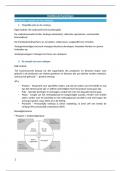
Model van Ulrich:
The Harvard model
- Comprehensive view of the factors that shape HRM activities within
an organisation
- Takes internal and external organisational contexts into account +
impact on HRM outcomes and long-term effects
- HRM policies are shaped by external influences
- Importance of various stakeholders (management, employees,
government agencies, society, labour unions)
- Promotes holistic approach to HRM, emphasising the importance of
considering the needs and well-being of employees while pursuing
organisational goals
- Well aligned HRM strategies can improve performance and help
create a motivated, skilled and engaged workforce
3
,Table of Contents
Chapter 1: HRM........................................................................2
Strategic HRM.................................................................................2
The Harvard model..........................................................................3
Intended, implemented, and perceived HRM.....................................4
Chapter 3: The HRM cycle: job analysis and recruitment..............6
Job analysis and competencies.........................................................6
Recruitment....................................................................................9
Employer branding........................................................................10
Chapter 11: The future of HRM.................................................11
Future and contemporary challenges of HRM..................................11
Opportunities of HRM....................................................................14
Chapter 7: Human Resource Development................................16
The role of Human Resource Development in organisations.............16
Training.........................................................................................16
Career development......................................................................19
Chapter 4: Selection................................................................25
Selection techniques reviewed.......................................................25
Digging deeper into the different selection techniques....................26
Chapter 6: Reward management..............................................29
Types of rewards...........................................................................29
Financial rewards..........................................................................29
Diving deeper into the effectiveness of performance-based pay.......30
The debate about pay transparency................................................31
How to determine reward?.............................................................31
Chapter 5: Performance management......................................32
Performance in private and public organisations.............................32
Performance management cycle.....................................................32
1
,Chapter 1: HRM
Strategic HRM
New approach to managing personnel + aimed at supporting
organizational goals through vertical and horizontal alignment of HRM
activities with those goals
Vertical alignment = strategic fit: there is alignment between HRM
policies and the organisation’s strategic objectives, the goal is to
ensure that HR practices contribute to business success
Horizontal alignment = internal consistency: there is alignment
among different HRM practices to ensure they complement each
other and create a coherent HR system
There are 4 modes of strategic HRM rooted in the idea that the right
HRM implementation can provide firms with a competitive advantage: the
universalistic, contingency, configurational, and contextual approach
The universalistic approach:
- Best-practice approach
- One-size-fits-all approach and works in every organisation
- Formal training systems, appraisal systems, profit sharing and
performance-based compensation, internal career opportunities,
etc.
- Enhances employee motivation, engagement, and organizational
effectiveness
- However: does not guarantee positive outcomes universally (no
contextual factors taken into account)
The contingency approach:
- Best fit approach
- Emphasises alignment between HRM practices and external
environmental factors (market conditions, regulatory frameworks,
industry demands, organisational strategy)
- Organisations should adapt HRM to the business strategy of the
organisation higher performance comes from the interaction
between HRM and firm strategy
- No best practices, nothing is universally applicable
- Vertical alignment
The configurational approach:
- Best fit approach
- Internal contingency among HR practices
- HR practices are most useful when grouped into internally coherent
systems or configurations that align with the company’s strategic
orientation
- Prioritizes internal fit of HRM practices within a cohesive model
aligned with the company
2
, - Effectiveness of practices depend on how they interact and
complement each other within the specific organisational context
- Horizontal alignment
The contextual approach:
- Tailoring HRM practices to fit the unique characteristics of an
organisation’s external and internal environment acknowledging
that HRM is most effective when adapted to specific contexts
- Broader approach that considers the internal and external
environment
Model van Ulrich:
The Harvard model
- Comprehensive view of the factors that shape HRM activities within
an organisation
- Takes internal and external organisational contexts into account +
impact on HRM outcomes and long-term effects
- HRM policies are shaped by external influences
- Importance of various stakeholders (management, employees,
government agencies, society, labour unions)
- Promotes holistic approach to HRM, emphasising the importance of
considering the needs and well-being of employees while pursuing
organisational goals
- Well aligned HRM strategies can improve performance and help
create a motivated, skilled and engaged workforce
3