CKA Certified Kingdom Advisor Practice Exam
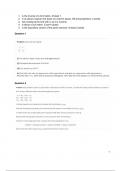
Question 1
Question
What is the primary purpose of waste classification in waste management systems?
A) To determine the economic value of waste
B) To identify the most efficient disposal method
C) To categorize waste based on its potential hazards and recycling options
D) To reduce the volume of waste generated
Correct: C) To categorize waste based on its potential hazards and recycling options
Explanation: Waste classification is essential for identifying the appropriate handling, treatment, and
disposal methods for different types of waste. It helps in managing waste efficiently and safely, ensuring
that hazardous materials are handled correctly and recyclable materials are processed appropriately.
Question 2
Question
Which of the following is NOT a common technology used in waste management processes?
A) Incineration
B) Landfill gas collection
C) Composting
D) Nuclear fission
Correct: D) Nuclear fission
Explanation: Nuclear fission is a process used in nuclear power plants to generate energy, not a
technology used in waste management. Incineration, landfill gas collection, and composting are all
common technologies used to manage and treat waste.
Question 3
Question
,What is the primary benefit of recycling and resource recovery technologies?
A) Reducing the need for raw materials
B) Increasing landfill capacity
C) Creating new job opportunities
D) All of the above
Correct: D) All of the above
Explanation: Recycling and resource recovery technologies offer multiple benefits, including reducing
the demand for raw materials, conserving landfill space, and creating job opportunities in the recycling
industry. These technologies contribute to sustainable waste management practices.
Environmental Regulations and Standards
Question 4
Question
Which international standard provides guidelines for environmental management systems?
A) ISO 9001
B) ISO 14001
C) OHSAS 18001
D) ISO 22000
Correct: B) ISO 14001
Explanation: ISO 14001 is the international standard that specifies requirements for an effective
environmental management system. It helps organizations improve their environmental performance
through more efficient use of resources and reduction of waste.
Question 5
Question
What is the significance of environmental permits in waste management?
A) They ensure compliance with local regulations
B) They provide funding for waste management projects
C) They exempt organizations from environmental laws
D) They guarantee profitability in waste management operations
,Correct: A) They ensure compliance with local regulations
Explanation: Environmental permits are crucial for ensuring that waste management activities comply
with local regulations. They help organizations operate within legal boundaries, protecting both the
environment and public health.
Question 6
Question
What is the purpose of an environmental impact assessment (EIA) in waste management?
A) To identify potential environmental risks
B) To determine the economic feasibility of a project
C) To assess the social impact of waste management activities
D) To evaluate the efficiency of waste collection methods
Correct: A) To identify potential environmental risks
Explanation: An environmental impact assessment (EIA) is conducted to identify and evaluate the
potential environmental risks associated with waste management projects. It helps in making informed
decisions to mitigate adverse environmental impacts.
Hazardous Waste Management
Question 7
Question
Which of the following is NOT a common method for treating hazardous waste?
A) Incineration
B) Landfill disposal
C) Bioremediation
D) Dilution
Correct: D) Dilution
Explanation: Dilution is not an acceptable method for treating hazardous waste as it does not reduce
the overall hazardous nature of the waste. Incineration, landfill disposal, and bioremediation are
common methods used to treat hazardous waste safely.
Question 8
, Question
What is the primary risk associated with improper handling of hazardous waste?
A) Economic loss
B) Environmental contamination
C) Increased operational costs
D) Reduced recycling rates
Correct: B) Environmental contamination
Explanation: Improper handling of hazardous waste can lead to environmental contamination, posing
risks to both ecosystems and human health. It is crucial to follow safety protocols and regulatory
guidelines to manage hazardous waste effectively.
Question 9
Question
Which regulatory framework is commonly associated with hazardous waste management in the United
States?
A) Clean Air Act
B) Resource Conservation and Recovery Act (RCRA)
C) Safe Drinking Water Act
D) Endangered Species Act
Correct: B) Resource Conservation and Recovery Act (RCRA)
Explanation: The Resource Conservation and Recovery Act (RCRA) is the primary federal law governing
hazardous waste management in the United States. It establishes a framework for managing hazardous
waste from generation to disposal.
Waste Reduction Strategies
Question 10
Question
What is the principle of waste minimization?
A) Reducing the volume of waste generated
B) Increasing the efficiency of waste collection
Question 1
Question
What is the primary purpose of waste classification in waste management systems?
A) To determine the economic value of waste
B) To identify the most efficient disposal method
C) To categorize waste based on its potential hazards and recycling options
D) To reduce the volume of waste generated
Correct: C) To categorize waste based on its potential hazards and recycling options
Explanation: Waste classification is essential for identifying the appropriate handling, treatment, and
disposal methods for different types of waste. It helps in managing waste efficiently and safely, ensuring
that hazardous materials are handled correctly and recyclable materials are processed appropriately.
Question 2
Question
Which of the following is NOT a common technology used in waste management processes?
A) Incineration
B) Landfill gas collection
C) Composting
D) Nuclear fission
Correct: D) Nuclear fission
Explanation: Nuclear fission is a process used in nuclear power plants to generate energy, not a
technology used in waste management. Incineration, landfill gas collection, and composting are all
common technologies used to manage and treat waste.
Question 3
Question
,What is the primary benefit of recycling and resource recovery technologies?
A) Reducing the need for raw materials
B) Increasing landfill capacity
C) Creating new job opportunities
D) All of the above
Correct: D) All of the above
Explanation: Recycling and resource recovery technologies offer multiple benefits, including reducing
the demand for raw materials, conserving landfill space, and creating job opportunities in the recycling
industry. These technologies contribute to sustainable waste management practices.
Environmental Regulations and Standards
Question 4
Question
Which international standard provides guidelines for environmental management systems?
A) ISO 9001
B) ISO 14001
C) OHSAS 18001
D) ISO 22000
Correct: B) ISO 14001
Explanation: ISO 14001 is the international standard that specifies requirements for an effective
environmental management system. It helps organizations improve their environmental performance
through more efficient use of resources and reduction of waste.
Question 5
Question
What is the significance of environmental permits in waste management?
A) They ensure compliance with local regulations
B) They provide funding for waste management projects
C) They exempt organizations from environmental laws
D) They guarantee profitability in waste management operations
,Correct: A) They ensure compliance with local regulations
Explanation: Environmental permits are crucial for ensuring that waste management activities comply
with local regulations. They help organizations operate within legal boundaries, protecting both the
environment and public health.
Question 6
Question
What is the purpose of an environmental impact assessment (EIA) in waste management?
A) To identify potential environmental risks
B) To determine the economic feasibility of a project
C) To assess the social impact of waste management activities
D) To evaluate the efficiency of waste collection methods
Correct: A) To identify potential environmental risks
Explanation: An environmental impact assessment (EIA) is conducted to identify and evaluate the
potential environmental risks associated with waste management projects. It helps in making informed
decisions to mitigate adverse environmental impacts.
Hazardous Waste Management
Question 7
Question
Which of the following is NOT a common method for treating hazardous waste?
A) Incineration
B) Landfill disposal
C) Bioremediation
D) Dilution
Correct: D) Dilution
Explanation: Dilution is not an acceptable method for treating hazardous waste as it does not reduce
the overall hazardous nature of the waste. Incineration, landfill disposal, and bioremediation are
common methods used to treat hazardous waste safely.
Question 8
, Question
What is the primary risk associated with improper handling of hazardous waste?
A) Economic loss
B) Environmental contamination
C) Increased operational costs
D) Reduced recycling rates
Correct: B) Environmental contamination
Explanation: Improper handling of hazardous waste can lead to environmental contamination, posing
risks to both ecosystems and human health. It is crucial to follow safety protocols and regulatory
guidelines to manage hazardous waste effectively.
Question 9
Question
Which regulatory framework is commonly associated with hazardous waste management in the United
States?
A) Clean Air Act
B) Resource Conservation and Recovery Act (RCRA)
C) Safe Drinking Water Act
D) Endangered Species Act
Correct: B) Resource Conservation and Recovery Act (RCRA)
Explanation: The Resource Conservation and Recovery Act (RCRA) is the primary federal law governing
hazardous waste management in the United States. It establishes a framework for managing hazardous
waste from generation to disposal.
Waste Reduction Strategies
Question 10
Question
What is the principle of waste minimization?
A) Reducing the volume of waste generated
B) Increasing the efficiency of waste collection