Week 1: What is organisational communication?
Definitions
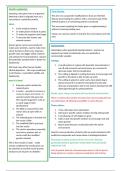
Constitutive Approach suggest that organisations are made up of patterns
of communication habits rather than buildings,
rules or structures
Role of organisations in human life
- Organisations are important to human life
- Shapes how people work, interact and structure their daily routines
- Humans are described as “organisational animals”, relying on structured groups
- Workplaces
- Schools
- Institutions
Key aspect: organisations are not just physical spaces where people work together but they exist through
communication
- Without communication, an organisation will not function as a meaningful entity
Thompson identifies the shift from:
- Task time to clock time as a feature in the emergence of industrial capitalism
- Task time: organic sense of time where work is shaped by the demands of the tasks to be
performed
- Clock time: new imposed sense of time marked by the shift from self-employment to working for
others, essential to the development of systematic forms of mass production; not anymore passing
time but spending time
Even today, clock time is still the defining feature of work for many; an employee’s level of power and
prestige is at least partly reflected by how independent he or she is from the clock
Key Characteristics of Complex Organisations: Charles Redding (1988)
Complex organisations share 4 characteristics:
Interdependence: Differentiation of tasks and functions:
- No one functions in complete isolation - Work is divided among members for
- Actions influence and are influenced by maximum efficiency: division of labor
others - Scientific management analysis each task
to determine the most efficient and
productive way to work
- Bureaucracy made sure that everyone
knew their place by creating offices that
defined each role
Goal orientation: Control:
- Organisations exist for achieving specific - Different mechanisms regulate behaviour
objectives and maintain order within the organisation
These demonstrate that organisations are not static structures but dynamic systems shaped by ongoing
communications
Constitutive role of communication in organisations
, - Communication creates organisations
Constitutive Approach: suggest that organisations are made up of patterns of communication habits rather
than buildings, rules or structures.
Meaning that
- Communication shapes social realities, influencing how people understand and experience in
their work environment
- Exchange of ideas, decisions and meaning between members constructs the organisation itself
- Organisations won’t exist meaningfully without continuous interaction and communication
Contrasts with: older Transmission Model
- Sees communication as a tool for transferring information in an organisation
- Assumes that communication should be as clear and efficient as possible, but overlooks
complexity of real workplace communication
Forms of organisational control
Control happens via active consent: central feature in organisations, ensuring that work is completed
efficiently
- Not always direct
- Evolves as organisations try to balance productivity with employee autonomy
Forms of control:
Direct Technological
- Most explicit form - Use of technology and automation to
- Managers supervise and monitor regulate work
employees actions - Surveillance software
- Time-tracking systems
Bureaucratic Ideological
- Rules, procedures and hierarchies - Employees are expected to internalise
structure company values
- Assess employee performance - Aligning their own identity with
organisational goals
Biocratic
- Work mixes with personal life
- Employees expected to see their entire
identity connected to the job
Each form of control develops because methods before were insufficient, leading organisations to find
new ways to manage behavior while addressing employee resistance
Consequences of poor workplace communication
When communication in an organisation is ineffective/mismanaged, leads to serious issues for both
employees and the organisation
Common consequences:
- Increased stress and burnout
- Project delays/failures due to misunderstandings/lack of coordination
- Low morale, disengaged employees
- Missed performance goals due to unclear expectations
- Slower career progression for employees who struggle to communicate effectively
- Disciplinary actions rising from miscommunication/non-compliance
,These highlight why communication is not just a tool for improving efficiency, it’s a big factor in success
Three types of communication
Grapevine communication:
- gossip, informal, ‘during a coffee break’.
Line communication – 4 model:
- one-way, direct communication. SMCR: Sender, Message, Channel, Receiver – i.e. manager to
employer
Parallel communication:
- helps the communication process with newsletters, magazines, websites, videoclips; still formal.
Conclusion
Organisational communication is more than information exchange; network of interactions with purpose
- Core process that defines organizations
Traditional views treat organisations as fixed structures where only communication occurs
- Constitutive approach shows that organisations only exist through ongoing communication
Control mechanisms = shape employee behavior, also evolve due to worker resistance
If communication is bad: Stress, inefficiency, disengagement
Important to maintain a healthy, functional organisation
, Week 2: Fordism and Organisational Communication
Definitions
Fordism Strict, large production, alienation
Precariat the class of people who are poor and do not have
secure jobs
Enterprise Self to be skilled, confident, creative and disciplined
enough to seize opportunities that present
themselves
Taylorism Make labour more efficient through strict
supervision and standardisation
Toyotism JIT: producing when needed, less waste
Prioritises efficiency, flexibility and worker
involvement
Fordism
- Manufacturing method that shaped work culture, economic structures and societal values
Characteristics:
Large-scale industrial production based on Direct technological and bureaucratic forms of
assembly-line manufacturing control over workers
Extreme division of labour, workers performed Mass production and standardised goods, making
repetitive, specialised tasks produce cheaper (Economies of Scale)
Strong hierarchical structures, decision making Mass consumption, stable wages allows workers
was highly centralised to buy the products they made
This system created economic growth but also led to rigid workplace environments and alienation
among workers
Developments along two dimensions:
Definitions
Constitutive Approach suggest that organisations are made up of patterns
of communication habits rather than buildings,
rules or structures
Role of organisations in human life
- Organisations are important to human life
- Shapes how people work, interact and structure their daily routines
- Humans are described as “organisational animals”, relying on structured groups
- Workplaces
- Schools
- Institutions
Key aspect: organisations are not just physical spaces where people work together but they exist through
communication
- Without communication, an organisation will not function as a meaningful entity
Thompson identifies the shift from:
- Task time to clock time as a feature in the emergence of industrial capitalism
- Task time: organic sense of time where work is shaped by the demands of the tasks to be
performed
- Clock time: new imposed sense of time marked by the shift from self-employment to working for
others, essential to the development of systematic forms of mass production; not anymore passing
time but spending time
Even today, clock time is still the defining feature of work for many; an employee’s level of power and
prestige is at least partly reflected by how independent he or she is from the clock
Key Characteristics of Complex Organisations: Charles Redding (1988)
Complex organisations share 4 characteristics:
Interdependence: Differentiation of tasks and functions:
- No one functions in complete isolation - Work is divided among members for
- Actions influence and are influenced by maximum efficiency: division of labor
others - Scientific management analysis each task
to determine the most efficient and
productive way to work
- Bureaucracy made sure that everyone
knew their place by creating offices that
defined each role
Goal orientation: Control:
- Organisations exist for achieving specific - Different mechanisms regulate behaviour
objectives and maintain order within the organisation
These demonstrate that organisations are not static structures but dynamic systems shaped by ongoing
communications
Constitutive role of communication in organisations
, - Communication creates organisations
Constitutive Approach: suggest that organisations are made up of patterns of communication habits rather
than buildings, rules or structures.
Meaning that
- Communication shapes social realities, influencing how people understand and experience in
their work environment
- Exchange of ideas, decisions and meaning between members constructs the organisation itself
- Organisations won’t exist meaningfully without continuous interaction and communication
Contrasts with: older Transmission Model
- Sees communication as a tool for transferring information in an organisation
- Assumes that communication should be as clear and efficient as possible, but overlooks
complexity of real workplace communication
Forms of organisational control
Control happens via active consent: central feature in organisations, ensuring that work is completed
efficiently
- Not always direct
- Evolves as organisations try to balance productivity with employee autonomy
Forms of control:
Direct Technological
- Most explicit form - Use of technology and automation to
- Managers supervise and monitor regulate work
employees actions - Surveillance software
- Time-tracking systems
Bureaucratic Ideological
- Rules, procedures and hierarchies - Employees are expected to internalise
structure company values
- Assess employee performance - Aligning their own identity with
organisational goals
Biocratic
- Work mixes with personal life
- Employees expected to see their entire
identity connected to the job
Each form of control develops because methods before were insufficient, leading organisations to find
new ways to manage behavior while addressing employee resistance
Consequences of poor workplace communication
When communication in an organisation is ineffective/mismanaged, leads to serious issues for both
employees and the organisation
Common consequences:
- Increased stress and burnout
- Project delays/failures due to misunderstandings/lack of coordination
- Low morale, disengaged employees
- Missed performance goals due to unclear expectations
- Slower career progression for employees who struggle to communicate effectively
- Disciplinary actions rising from miscommunication/non-compliance
,These highlight why communication is not just a tool for improving efficiency, it’s a big factor in success
Three types of communication
Grapevine communication:
- gossip, informal, ‘during a coffee break’.
Line communication – 4 model:
- one-way, direct communication. SMCR: Sender, Message, Channel, Receiver – i.e. manager to
employer
Parallel communication:
- helps the communication process with newsletters, magazines, websites, videoclips; still formal.
Conclusion
Organisational communication is more than information exchange; network of interactions with purpose
- Core process that defines organizations
Traditional views treat organisations as fixed structures where only communication occurs
- Constitutive approach shows that organisations only exist through ongoing communication
Control mechanisms = shape employee behavior, also evolve due to worker resistance
If communication is bad: Stress, inefficiency, disengagement
Important to maintain a healthy, functional organisation
, Week 2: Fordism and Organisational Communication
Definitions
Fordism Strict, large production, alienation
Precariat the class of people who are poor and do not have
secure jobs
Enterprise Self to be skilled, confident, creative and disciplined
enough to seize opportunities that present
themselves
Taylorism Make labour more efficient through strict
supervision and standardisation
Toyotism JIT: producing when needed, less waste
Prioritises efficiency, flexibility and worker
involvement
Fordism
- Manufacturing method that shaped work culture, economic structures and societal values
Characteristics:
Large-scale industrial production based on Direct technological and bureaucratic forms of
assembly-line manufacturing control over workers
Extreme division of labour, workers performed Mass production and standardised goods, making
repetitive, specialised tasks produce cheaper (Economies of Scale)
Strong hierarchical structures, decision making Mass consumption, stable wages allows workers
was highly centralised to buy the products they made
This system created economic growth but also led to rigid workplace environments and alienation
among workers
Developments along two dimensions: