Neurogenic Shock
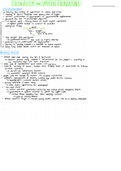
Causes:
1. Spinal cord injury, spinal anesthesia, or other nervous system damage
2. Result from depressant action of medications or from lack of glucose (insulin reaction)
3. Prolonged course (spinal cord injury) or a short course (syncope or fainting)
In Neurogenic shock, the sympathetic system is unable to respond to body stressors- the clinical
manifestations of neurogenic shock are signs of parasympathetic stimulation
1. Dry, warm skin
2. Hypotension with bradycardia
Nursing Management:
1. Elevate and maintain head of bed at least 30 degrees to prevent neurogenic shock when a
patient receives spinal or epidural anesthesia
2. Prevented by carefully mobilizing the patient to prevent further damage to the spinal cord
3. Supporting cardiovascular and neurologic function until the usual transient episode of
neurogenic shock resolves
4. Check patient daily for any lower extremity pain, redness, tenderness, and warmth
5. Passive range of motion of the immobile extremities helps promote circulation
6. Early interventions to prevent VTE: application of pneumatic compression devices often
combined with antithrombotic agents (low molecular weight heparin)
7. Immediate postinjury period- monitor the patient closely for signs of internal bleeding
that could lead to hypovolemic shock
Treatment consists of:
1. Atropine IVP
2. Administering IV fluids cautiously
3. If blood pressure is low after fluids, administer vasopressor and compress vascular space
using phenylephrine, levophed
Causes:
1. Spinal cord injury, spinal anesthesia, or other nervous system damage
2. Result from depressant action of medications or from lack of glucose (insulin reaction)
3. Prolonged course (spinal cord injury) or a short course (syncope or fainting)
In Neurogenic shock, the sympathetic system is unable to respond to body stressors- the clinical
manifestations of neurogenic shock are signs of parasympathetic stimulation
1. Dry, warm skin
2. Hypotension with bradycardia
Nursing Management:
1. Elevate and maintain head of bed at least 30 degrees to prevent neurogenic shock when a
patient receives spinal or epidural anesthesia
2. Prevented by carefully mobilizing the patient to prevent further damage to the spinal cord
3. Supporting cardiovascular and neurologic function until the usual transient episode of
neurogenic shock resolves
4. Check patient daily for any lower extremity pain, redness, tenderness, and warmth
5. Passive range of motion of the immobile extremities helps promote circulation
6. Early interventions to prevent VTE: application of pneumatic compression devices often
combined with antithrombotic agents (low molecular weight heparin)
7. Immediate postinjury period- monitor the patient closely for signs of internal bleeding
that could lead to hypovolemic shock
Treatment consists of:
1. Atropine IVP
2. Administering IV fluids cautiously
3. If blood pressure is low after fluids, administer vasopressor and compress vascular space
using phenylephrine, levophed