Sociology of organizations
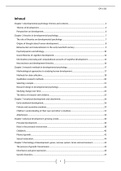
Table of contents
Chapter 1: Organizations as rational systems
1.1 The encapsulation of social life in organizational relations…………………………..3
1.2 Types of organizational problems and public…………………………………………3
1.3 The study of organizations: From common to divergent feature……………………4
1.3.1 Diverse organizations………………………………………………………………4
1.3.2 Diverse research interest and settings………………………………………………4
1.3.3 Diverse levels of analysis……………………………………………………………..4
1.3.4 Different theoretical perspectives……………………………………………….…..4
1.4 A rational system…………………………………………………………………………4
1.5 Taylor’s scientific management…………………………………………………………4
1.6 Fayol’s administrative theory…………………………………………………………...5
1.7 Simon’s theory of administrative behavior……………………………………………..6
1.8 Weber’s theory of bureaucracy………………………………………………………….6
Chapter 2: Organizations: Natural and open systems perspectives
2.1 Natural system……………………………………………………………………………7
2.1.1 Goal complexity………………………………………………………………….……..7
2.1.2 Selznick’s institutional approach………………………………………….…………..7
2.1.3 Informal structure……………………………………………………….……………..8
2.1.4 Bernard’s cooperative system…………………………………………………………8
2.1.5 Mayo and the human relations school…………………………………...……………8
2.2 Open system………………………………………………………………..
………………………10
Chapter 3: Organizational Typologies and correlations studies
3.1 Typology studies……………………………………………………………………..….11
3.1.1 Blau and Scott……………………………………………………………………….11
3.1.2 Burns and Stalker…………………………………………………………………...11
3.2 Correlation studies……………………………………………………………………...12
3.2.1 Hage’s axiomatic theory of organizations…………………………………………12
3.2.2 Lawrence and Lorsch: differentiation and integration…………………………..13
Chapter 4: Organizations and micro perspectives A
4.1 Contingency theory…………………………………………………………………14
4.1.1 Woodward’s industrial organization………………………………………14
4.1.2 SARFIT Model (Donaldson’s theory)……………………………………..16
Chapter 5: Organizations and micro perspectives B
5.1 Resource Dependence theory…………………………………………………………..17
5.1.1 Hickson’s theory: Strategic contingencies theory of intra-organizational power.. 17
5.1.2 Pfeffer & Salanick’s theory: Departmental vision of resource dependence theory18
5.1.3 From intra-organizational department power to inter-organizational relations…18
5.2 Transaction cost theory………………………………………………………………...19
1
,Chapter 6: Organizations and macro perspectives A
6.1 Organizational ecology…………………………………………………………………21
6.1.1 Delacroix and Carroll: case study…………………………...…………………….24
Chapter 7: Organizations and macro perspectives B
7.1 Neo-institutional theory………………………………………………………………...25
7.1.1 DiMaggio and Powell……………………………………………………………….26
7.1.2 Case study: Organizational downsizing…………………………………………...26
Chapter 8: Organizational sociology: current problems & future prospects
8.1 Trend 1: From unitary to multiparadigm……………………………………...……..28
8.2 Trend 2: From monocultural to multicultural studies……………………………….28
8.3 Trend 3: From present-centered to longitudinal and historical analysis……...……28
8.4 Trend 4: From micro- to macro units and levels of analysis………………………...28
8.5 Trend 5: from structure to process……………………………………………………28
2
, Chapter 1: Organizations as rational systems
From the 1960’s there’s a large increase in the different theories of sociology in
organizations. There are three perspectives discussed: rational, natural and open perspectives.
1.1 The encapsulation of social life in organizational relations
When organizations are the characteristics structures in society, understanding how they
operate in can help understand the life of individuals being part of society. Understanding
how they function and why they function that way, help you have a better grip on society.
1.2 Types of organizational problems and publics
There are 4 types of publics;
1. Employees
2. Employers and managers: the owners
of the company
3. The contact public: those that are in
direct contact of the organization
4. The general public: not in close
contact with the organization, more
indirect, such as a journalist.
There are also 4 types of problems:
1. Controllability: Employees lack control how organizations will be directed in the
future, and they undergo the direction the manager decides. It associates with the
regular members of the organizations’
2. Quality of working life: e.g., work climate, the stress you undergo at your job
3. Directing and planning: A challenge for the leaders/managers of being responsible of
the planning and directing the future direction, a lot of pressure.
4. Manageability: How to manage the negatives consequences of trends you are not able
to control, e.g., a war that broke out.
Definitions of organizations;
1. Organizations have deliberately established for a certain purpose. It arises naturally
and they have a specific goal they want to reach by establishing this organization.
2. Organizations are social units deliberately constructed and reconstructed to seek
specific goals. A goal has a certain input to get to a point to produce some output.
They are also constructed and reconstructed, because they have the tendency to
change over time, due e.g., globalization, the structure of the organization can change.
3. Any social arrangement in which activities of some people are systematically planned
by other people, who therefore have authority over them. A difference between the
designers, the managers, having constitutional power and the subordinates, the
employees, following these tasks made by the managers. The managers have more
decision power and the distribution of tasks structures the way the organization works
and reveals the power relations.
An organization has a tight relationship with its environment, such as political, climate,
technological, governmental circumstances, have an influence on the organizations. The type
3
Table of contents
Chapter 1: Organizations as rational systems
1.1 The encapsulation of social life in organizational relations…………………………..3
1.2 Types of organizational problems and public…………………………………………3
1.3 The study of organizations: From common to divergent feature……………………4
1.3.1 Diverse organizations………………………………………………………………4
1.3.2 Diverse research interest and settings………………………………………………4
1.3.3 Diverse levels of analysis……………………………………………………………..4
1.3.4 Different theoretical perspectives……………………………………………….…..4
1.4 A rational system…………………………………………………………………………4
1.5 Taylor’s scientific management…………………………………………………………4
1.6 Fayol’s administrative theory…………………………………………………………...5
1.7 Simon’s theory of administrative behavior……………………………………………..6
1.8 Weber’s theory of bureaucracy………………………………………………………….6
Chapter 2: Organizations: Natural and open systems perspectives
2.1 Natural system……………………………………………………………………………7
2.1.1 Goal complexity………………………………………………………………….……..7
2.1.2 Selznick’s institutional approach………………………………………….…………..7
2.1.3 Informal structure……………………………………………………….……………..8
2.1.4 Bernard’s cooperative system…………………………………………………………8
2.1.5 Mayo and the human relations school…………………………………...……………8
2.2 Open system………………………………………………………………..
………………………10
Chapter 3: Organizational Typologies and correlations studies
3.1 Typology studies……………………………………………………………………..….11
3.1.1 Blau and Scott……………………………………………………………………….11
3.1.2 Burns and Stalker…………………………………………………………………...11
3.2 Correlation studies……………………………………………………………………...12
3.2.1 Hage’s axiomatic theory of organizations…………………………………………12
3.2.2 Lawrence and Lorsch: differentiation and integration…………………………..13
Chapter 4: Organizations and micro perspectives A
4.1 Contingency theory…………………………………………………………………14
4.1.1 Woodward’s industrial organization………………………………………14
4.1.2 SARFIT Model (Donaldson’s theory)……………………………………..16
Chapter 5: Organizations and micro perspectives B
5.1 Resource Dependence theory…………………………………………………………..17
5.1.1 Hickson’s theory: Strategic contingencies theory of intra-organizational power.. 17
5.1.2 Pfeffer & Salanick’s theory: Departmental vision of resource dependence theory18
5.1.3 From intra-organizational department power to inter-organizational relations…18
5.2 Transaction cost theory………………………………………………………………...19
1
,Chapter 6: Organizations and macro perspectives A
6.1 Organizational ecology…………………………………………………………………21
6.1.1 Delacroix and Carroll: case study…………………………...…………………….24
Chapter 7: Organizations and macro perspectives B
7.1 Neo-institutional theory………………………………………………………………...25
7.1.1 DiMaggio and Powell……………………………………………………………….26
7.1.2 Case study: Organizational downsizing…………………………………………...26
Chapter 8: Organizational sociology: current problems & future prospects
8.1 Trend 1: From unitary to multiparadigm……………………………………...……..28
8.2 Trend 2: From monocultural to multicultural studies……………………………….28
8.3 Trend 3: From present-centered to longitudinal and historical analysis……...……28
8.4 Trend 4: From micro- to macro units and levels of analysis………………………...28
8.5 Trend 5: from structure to process……………………………………………………28
2
, Chapter 1: Organizations as rational systems
From the 1960’s there’s a large increase in the different theories of sociology in
organizations. There are three perspectives discussed: rational, natural and open perspectives.
1.1 The encapsulation of social life in organizational relations
When organizations are the characteristics structures in society, understanding how they
operate in can help understand the life of individuals being part of society. Understanding
how they function and why they function that way, help you have a better grip on society.
1.2 Types of organizational problems and publics
There are 4 types of publics;
1. Employees
2. Employers and managers: the owners
of the company
3. The contact public: those that are in
direct contact of the organization
4. The general public: not in close
contact with the organization, more
indirect, such as a journalist.
There are also 4 types of problems:
1. Controllability: Employees lack control how organizations will be directed in the
future, and they undergo the direction the manager decides. It associates with the
regular members of the organizations’
2. Quality of working life: e.g., work climate, the stress you undergo at your job
3. Directing and planning: A challenge for the leaders/managers of being responsible of
the planning and directing the future direction, a lot of pressure.
4. Manageability: How to manage the negatives consequences of trends you are not able
to control, e.g., a war that broke out.
Definitions of organizations;
1. Organizations have deliberately established for a certain purpose. It arises naturally
and they have a specific goal they want to reach by establishing this organization.
2. Organizations are social units deliberately constructed and reconstructed to seek
specific goals. A goal has a certain input to get to a point to produce some output.
They are also constructed and reconstructed, because they have the tendency to
change over time, due e.g., globalization, the structure of the organization can change.
3. Any social arrangement in which activities of some people are systematically planned
by other people, who therefore have authority over them. A difference between the
designers, the managers, having constitutional power and the subordinates, the
employees, following these tasks made by the managers. The managers have more
decision power and the distribution of tasks structures the way the organization works
and reveals the power relations.
An organization has a tight relationship with its environment, such as political, climate,
technological, governmental circumstances, have an influence on the organizations. The type
3