Task 2: Insomnia
What is insomnia and how is it diagnosed?
Diagnostic criteria
ICSD-3:
A. The patient reports, or the patient's parent or caregiver observes, one or more of the following:
a. Difficulty initiating sleep.
b. Difficulty maintaining sleep.
c. Waking up earlier than desired.
d. Resistance to going to bed on appropriate schedule.
e. Difficulty sleeping without parent or caregiver intervention
B. The patient reports or the patient’s parent or caregiver observes, one or more of the following
related to the night-time sleep difficulty:
a. Fatigue/malaise
b. Attention, concentration or memory impairment
c. Impaired social, family, occupational or academic performance
d. Mood disturbance/irritability
e. Daytime sleepiness
f. Behavioral problems (e.g. hyperactivity, impulsivity, aggression)
g. Reduced motivation/energy/initiative
h. Proneness for errors/accidents
i. Concerns about or dissatisfaction with sleep
C. The reported sleep/wake complaints
cannot be explained purely by
inadequate opportunity (i.e. enough
time is allotted for sleep) or
inadequate circumstances (i.e. the
environment is safe, dark, quiet and
comfortable) for sleep
D. The sleep disturbance and associated
daytime symptoms occur at least three
times per week
E. The sleep disturbance and associated
daytime symptoms have been present
for at least 3 months
F. The sleep/wake difficulty is not better explained by another sleep disorder
Previous versions of the DSM suggested a distinction between primary and secondary insomnia,
whereas DSM-5 suggests insomnia disorder (ID) as an overarching diagnostic category.
The ICD-10 distinguished between organic and non-organic sleep disorders, but ICD-11 will
follow DSM-5 and ICSD-3 (same as DSM-5).
In general, all systems containing new criteria for ID list both night-time and daytime
symptoms and the symptom of non-restorative sleep was dropped due to lack of specificity
Abandoning the distinction between primary/secondary insomnia -> acknowledges that
insomnia frequently is not just a symptom of any other somatic or mental disorder but
constitutes an independent disorder.
o Insomnia probably more frequently occurs as a co-morbid condition together with
somatic and mental disorders, than it does occur in its isolated form.
o The profile of dominant sleep complaints matters for the risk of developing first onset
MDD, but insomnia complaints change over time -> more robust insomnia subtypes
surfaced by multivariate profiling of personality features rather than sleep features
, Assessment
The use of sleep diaries constitutes an integral part of insomnia assessment for both research
and/or clinical purposes -> they are easy to apply and to evaluate. They focus on the experience
of sleep and can be reviewed by the clinician as they are presented, but the inherent
information can also be used to create highly informative graphical displays of sleep and
bedtimes
Beyond sleep diaries, other insomnia-specific questionnaires like the Insomnia Severity Index or
the Sleep Condition Indicator should be used.
Several paradigms were developed to elucidate specific aspects of insomnia
o The attentional bias paradigm suggests that patients with chronic insomnia have
developed a bias in their perception and processing of stimuli related to insomnia
o Other highly promising paradigms investigate failing overnight amelioration of distress,
which seems key to persistence of hyperarousal
As the diagnosis of insomnia is solely based on subjective complaints and their measurement, it
remains a matter of long-standing debate what the role of technical methods like actigraphy or
polysomnography (PSG) might be.
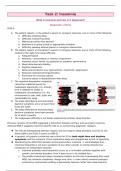
PSG helps to unravel suspected occult
pathology of sleep = periodic limb
movements during sleep or sleep apnea
The frequently described discrepancy
between subjective (e.g. sleep diaries) and
objective data (PSG) called paradoxical
insomnia or sleep state misperception is seen
as a major clinical and scientific challenge
o PSG does not reveal as pronounced
sleep disturbances of sleep as
indicated by subjective data
o The misperception may in fact be
mismeasurement = an inappropriate
use or interpretation of traditional PSG
features by clinicians, rather than
inappropriate interpretation of
subjective experiences by people with insomnia
Epidemiology and comorbidity
Insomnia more frequently affects females than males (60% vs. 40%), and its prevalence increases with
age.
Prevalence data varies strong from country to country.
Approximately 10% of the adult European population suffer from chronic insomnia
Insomnia conveys increased risks for CVDs, obesity and diabetes, depression, anxiety and suicide.
Untreated insomnia leads to increased all-cause healthcare utilization
Insomnia strongly predicts sick leave and disability pension
High direct and indirect costs of insomnia
An important clinical and research question relates to the hypothesis that adequate insomnia
treatment might not only effectively target insomnia symptoms but might reduce subclinical and
clinical psychopathology, and be of general preventive value for mental disorders and physical
diseases
1. Episodic insomnia: more than 1 month less than 3 months insomnia
2. Persistent insomnia: +3 months of symptoms
3. Recurrent insomnia: two or more episodes
What is insomnia and how is it diagnosed?
Diagnostic criteria
ICSD-3:
A. The patient reports, or the patient's parent or caregiver observes, one or more of the following:
a. Difficulty initiating sleep.
b. Difficulty maintaining sleep.
c. Waking up earlier than desired.
d. Resistance to going to bed on appropriate schedule.
e. Difficulty sleeping without parent or caregiver intervention
B. The patient reports or the patient’s parent or caregiver observes, one or more of the following
related to the night-time sleep difficulty:
a. Fatigue/malaise
b. Attention, concentration or memory impairment
c. Impaired social, family, occupational or academic performance
d. Mood disturbance/irritability
e. Daytime sleepiness
f. Behavioral problems (e.g. hyperactivity, impulsivity, aggression)
g. Reduced motivation/energy/initiative
h. Proneness for errors/accidents
i. Concerns about or dissatisfaction with sleep
C. The reported sleep/wake complaints
cannot be explained purely by
inadequate opportunity (i.e. enough
time is allotted for sleep) or
inadequate circumstances (i.e. the
environment is safe, dark, quiet and
comfortable) for sleep
D. The sleep disturbance and associated
daytime symptoms occur at least three
times per week
E. The sleep disturbance and associated
daytime symptoms have been present
for at least 3 months
F. The sleep/wake difficulty is not better explained by another sleep disorder
Previous versions of the DSM suggested a distinction between primary and secondary insomnia,
whereas DSM-5 suggests insomnia disorder (ID) as an overarching diagnostic category.
The ICD-10 distinguished between organic and non-organic sleep disorders, but ICD-11 will
follow DSM-5 and ICSD-3 (same as DSM-5).
In general, all systems containing new criteria for ID list both night-time and daytime
symptoms and the symptom of non-restorative sleep was dropped due to lack of specificity
Abandoning the distinction between primary/secondary insomnia -> acknowledges that
insomnia frequently is not just a symptom of any other somatic or mental disorder but
constitutes an independent disorder.
o Insomnia probably more frequently occurs as a co-morbid condition together with
somatic and mental disorders, than it does occur in its isolated form.
o The profile of dominant sleep complaints matters for the risk of developing first onset
MDD, but insomnia complaints change over time -> more robust insomnia subtypes
surfaced by multivariate profiling of personality features rather than sleep features
, Assessment
The use of sleep diaries constitutes an integral part of insomnia assessment for both research
and/or clinical purposes -> they are easy to apply and to evaluate. They focus on the experience
of sleep and can be reviewed by the clinician as they are presented, but the inherent
information can also be used to create highly informative graphical displays of sleep and
bedtimes
Beyond sleep diaries, other insomnia-specific questionnaires like the Insomnia Severity Index or
the Sleep Condition Indicator should be used.
Several paradigms were developed to elucidate specific aspects of insomnia
o The attentional bias paradigm suggests that patients with chronic insomnia have
developed a bias in their perception and processing of stimuli related to insomnia
o Other highly promising paradigms investigate failing overnight amelioration of distress,
which seems key to persistence of hyperarousal
As the diagnosis of insomnia is solely based on subjective complaints and their measurement, it
remains a matter of long-standing debate what the role of technical methods like actigraphy or
polysomnography (PSG) might be.
PSG helps to unravel suspected occult
pathology of sleep = periodic limb
movements during sleep or sleep apnea
The frequently described discrepancy
between subjective (e.g. sleep diaries) and
objective data (PSG) called paradoxical
insomnia or sleep state misperception is seen
as a major clinical and scientific challenge
o PSG does not reveal as pronounced
sleep disturbances of sleep as
indicated by subjective data
o The misperception may in fact be
mismeasurement = an inappropriate
use or interpretation of traditional PSG
features by clinicians, rather than
inappropriate interpretation of
subjective experiences by people with insomnia
Epidemiology and comorbidity
Insomnia more frequently affects females than males (60% vs. 40%), and its prevalence increases with
age.
Prevalence data varies strong from country to country.
Approximately 10% of the adult European population suffer from chronic insomnia
Insomnia conveys increased risks for CVDs, obesity and diabetes, depression, anxiety and suicide.
Untreated insomnia leads to increased all-cause healthcare utilization
Insomnia strongly predicts sick leave and disability pension
High direct and indirect costs of insomnia
An important clinical and research question relates to the hypothesis that adequate insomnia
treatment might not only effectively target insomnia symptoms but might reduce subclinical and
clinical psychopathology, and be of general preventive value for mental disorders and physical
diseases
1. Episodic insomnia: more than 1 month less than 3 months insomnia
2. Persistent insomnia: +3 months of symptoms
3. Recurrent insomnia: two or more episodes