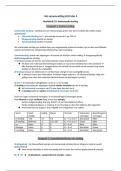
CONTENTS
Lecture 1 – Introduction to Complexity..........................................................................................................................3
Complexity:.............................................................................................................................................................3
IPO – Open systems in the Environment....................................................................................................................5
Lecture 2 – Multilevel Approach.....................................................................................................................................7
Layers of Diversity.......................................................................................................................................................7
Multilevel Approach....................................................................................................................................................7
Features of Emergent Phenomena.........................................................................................................................8
Lecture 3 – CAS...............................................................................................................................................................9
Core Concepts.............................................................................................................................................................9
Analyzing Networks (Technology/Complexity)...........................................................................................................9
Types of Networks................................................................................................................................................10
Socio-Technical Perspectives................................................................................................................................10
Complexity Theory....................................................................................................................................................10
Complex Adaptive Systems...................................................................................................................................11
Lecture 4 – CAS & Socio-Technical Engineering............................................................................................................12
Complex Adaptive Systems.......................................................................................................................................12
Socio-Technical Engineering.....................................................................................................................................13
Characteristics Open Socio-Technical Systems.....................................................................................................13
Critique Socio-Technical System Design Methods................................................................................................13
Socio-Technical Systems Engineering...................................................................................................................13
Lecture 5 – MTS & MTM...............................................................................................................................................15
Teams........................................................................................................................................................................15
IPO IMOI IMOI...................................................................................................................................................................17
IPO.........................................................................................................................................................................17
IMOI.......................................................................................................................................................................17
Multi-Team Systems..................................................................................................................................................18
MTS Goal Hierarchies............................................................................................................................................19
Multilevel Dynamics in MTS..................................................................................................................................19
Managing MTS......................................................................................................................................................20
Multiple-Team Membership.....................................................................................................................................22
Key Concepts.........................................................................................................................................................22
Complexities of MTM............................................................................................................................................22
, Conditions Enabling MTM Effectiveness...............................................................................................................23
Lecture 6 – Organizational Learning.............................................................................................................................24
Single & Double Loop Learning.................................................................................................................................24
Multilevel Learning...................................................................................................................................................24
HILL Model................................................................................................................................................................24
Adaptive & Generative Learning...............................................................................................................................25
Adaptive Learning.................................................................................................................................................26
Generative Learning..............................................................................................................................................26
Defensive Routines...................................................................................................................................................27
Drivers of Organizational Learning...........................................................................................................................27
Organisational Learning Framework.....................................................................................................................27
Lecture 7 – Virtual Teams.............................................................................................................................................29
Virtual Work Environment........................................................................................................................................29
Level of Virtuality..................................................................................................................................................29
Communication in a Virtual Work Environment...................................................................................................29
Complexity of Virtual Work...................................................................................................................................29
Benefits & Challenges of Virtual Work..................................................................................................................30
Effect of IT on Social Behaviour............................................................................................................................30
Virtual Team Model..................................................................................................................................................31
Leadership.................................................................................................................................................................31
Enhancing Virtual Team........................................................................................................................................31
Leadership Styles & Theories................................................................................................................................31
Complexity Leadership Theory.................................................................................................................................32
Adaptive Leadership Theory.....................................................................................................................................34
Characteristics of Adaptive Leadership.................................................................................................................35
Paradoxical Virtual Leadership..................................................................................................................................35
,LECTURE 1 – INTRODUCTION TO COMPLEXITY
COMPLEXITY:
- “The amount of differentiation that exists within different elements constituting the organization”
- “We will call an interconnected collection of elements complex when it is no longer possible at any
moment to connect every element with every other element”
SOURCES OF COMPLEXITY
Organizational complexity is considered a response to complexity within the internal or external environment.
- Internal environment: processes and technologies that constitute the core operation of the organization.
- External environment: customers, markets, suppliers, competitors, and institutions that shape what the
organization must respond to.
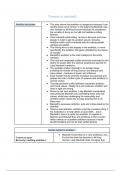
Dimensions of complexity of internal and external environment:
Internal External (= high)
Variety/Differentiation Variety of Different types of actors (groups)
roles/backgrounds/demographics are part of the system and they
require different treatment
(specialized knowledge)
Dynamism No routines (no simple procedure What worked before, won’t work
to be followed) again
Causal Mechanisms There is no perfect, repeatable way
of dealing with the situation
OPEN SYSTEMS
- “Open systems engage in interchanges with the environment AND this interchange is an essential factor
underlying the system’s viability”
- “Organizations as systems of interdependent activities linking shifting coalitions of participants embedded
in a wider material-resource and institutional environment”
- Boundaries (physical, cognitive, social) are difficult to define
o Not based on individual persons, but on their actions and behaviours
- Capable of self-maintenance based on a throughput of resources from their environment
o Entropy: if you don't do anything, the system will evolve by itself
o Negentropy: if the system operates as an open system, it is able to take the essential resources --
> then learning specific rules etc. (from no structure, evolving to a clear structure)
- Two sets of system processes:
o Morphostasis: those processes that tend to preserve or maintain a system’s given form,
structure, or state
o Morphogenesis: processes that elaborate or change the system
- Law of limited variety: A system’s internal complexity (variety) should match the complexity of the
environment in order to survive
, - Changing one component in an open system will clearly have knock-on effects in many other components
because of the prevalence of interconnection
- Changes in the environment will have an impact on changes in the subsystems of an organization
- What happens in one system will affect what happens in another system and that in turn will affect the
first.
COMPLEX ADAPTIVE SYSTEMS
- Law of requisite variety: A system’s internal complexity (variety) should exceed the complexity of the
environment in order to adapt – only variety absorbs variety
o In reality, this can never be completely true (the organization’s environment will always be more
complex than the organizational complexity) therefore differentiation needed
- Whole is more than the sums of its parts
- Impossible to predict and protect against all the ways in which such systems can fail
CONTINGENCY THEORY
- “The best way to organize depends on the nature of the environment to which the organization relates”
o There is no best way to organize
o Different ways of organizing are not equally effective
- Fit between external demands and internal structural design & fit among key design components
- Creating certainty and sense making is essential
- Steady states
o = Dynamic equilibrium: systems are always both changing and maintaining themselves at any
given time
o The system is maintaining an equilibrium (=fit) among its internal subsystems and a viable
relationship with its environment, thus ensuring its continual existence
o The steady state is characterized by a sufficient degree of organization, complexity and…
- Transition states
o = Moving from one steady state to another
o Open systems react to environmental influences (pressure) that require adaptation
o In a complex and dynamic environment transition states are seen as a normal condition
RESPONSES TO COMPLEXITY
Complexity impacts how easy it is for organizational members to make sense of their current perceptions, and the
type of effort that is needed to determine and implement effective action.
- People:
o Decomposing complexity
o Selecting and ignoring
o Drawing on previous experience, ignoring searching for new solutions
o Satisfying, not optimizing
o Making assumptions
o Simplifying complexity (storytelling/narratives)
- Organizations:
o Barriers around technical core (surrounding with input and output components)
Lecture 1 – Introduction to Complexity..........................................................................................................................3
Complexity:.............................................................................................................................................................3
IPO – Open systems in the Environment....................................................................................................................5
Lecture 2 – Multilevel Approach.....................................................................................................................................7
Layers of Diversity.......................................................................................................................................................7
Multilevel Approach....................................................................................................................................................7
Features of Emergent Phenomena.........................................................................................................................8
Lecture 3 – CAS...............................................................................................................................................................9
Core Concepts.............................................................................................................................................................9
Analyzing Networks (Technology/Complexity)...........................................................................................................9
Types of Networks................................................................................................................................................10
Socio-Technical Perspectives................................................................................................................................10
Complexity Theory....................................................................................................................................................10
Complex Adaptive Systems...................................................................................................................................11
Lecture 4 – CAS & Socio-Technical Engineering............................................................................................................12
Complex Adaptive Systems.......................................................................................................................................12
Socio-Technical Engineering.....................................................................................................................................13
Characteristics Open Socio-Technical Systems.....................................................................................................13
Critique Socio-Technical System Design Methods................................................................................................13
Socio-Technical Systems Engineering...................................................................................................................13
Lecture 5 – MTS & MTM...............................................................................................................................................15
Teams........................................................................................................................................................................15
IPO IMOI IMOI...................................................................................................................................................................17
IPO.........................................................................................................................................................................17
IMOI.......................................................................................................................................................................17
Multi-Team Systems..................................................................................................................................................18
MTS Goal Hierarchies............................................................................................................................................19
Multilevel Dynamics in MTS..................................................................................................................................19
Managing MTS......................................................................................................................................................20
Multiple-Team Membership.....................................................................................................................................22
Key Concepts.........................................................................................................................................................22
Complexities of MTM............................................................................................................................................22
, Conditions Enabling MTM Effectiveness...............................................................................................................23
Lecture 6 – Organizational Learning.............................................................................................................................24
Single & Double Loop Learning.................................................................................................................................24
Multilevel Learning...................................................................................................................................................24
HILL Model................................................................................................................................................................24
Adaptive & Generative Learning...............................................................................................................................25
Adaptive Learning.................................................................................................................................................26
Generative Learning..............................................................................................................................................26
Defensive Routines...................................................................................................................................................27
Drivers of Organizational Learning...........................................................................................................................27
Organisational Learning Framework.....................................................................................................................27
Lecture 7 – Virtual Teams.............................................................................................................................................29
Virtual Work Environment........................................................................................................................................29
Level of Virtuality..................................................................................................................................................29
Communication in a Virtual Work Environment...................................................................................................29
Complexity of Virtual Work...................................................................................................................................29
Benefits & Challenges of Virtual Work..................................................................................................................30
Effect of IT on Social Behaviour............................................................................................................................30
Virtual Team Model..................................................................................................................................................31
Leadership.................................................................................................................................................................31
Enhancing Virtual Team........................................................................................................................................31
Leadership Styles & Theories................................................................................................................................31
Complexity Leadership Theory.................................................................................................................................32
Adaptive Leadership Theory.....................................................................................................................................34
Characteristics of Adaptive Leadership.................................................................................................................35
Paradoxical Virtual Leadership..................................................................................................................................35
,LECTURE 1 – INTRODUCTION TO COMPLEXITY
COMPLEXITY:
- “The amount of differentiation that exists within different elements constituting the organization”
- “We will call an interconnected collection of elements complex when it is no longer possible at any
moment to connect every element with every other element”
SOURCES OF COMPLEXITY
Organizational complexity is considered a response to complexity within the internal or external environment.
- Internal environment: processes and technologies that constitute the core operation of the organization.
- External environment: customers, markets, suppliers, competitors, and institutions that shape what the
organization must respond to.
Dimensions of complexity of internal and external environment:
Internal External (= high)
Variety/Differentiation Variety of Different types of actors (groups)
roles/backgrounds/demographics are part of the system and they
require different treatment
(specialized knowledge)
Dynamism No routines (no simple procedure What worked before, won’t work
to be followed) again
Causal Mechanisms There is no perfect, repeatable way
of dealing with the situation
OPEN SYSTEMS
- “Open systems engage in interchanges with the environment AND this interchange is an essential factor
underlying the system’s viability”
- “Organizations as systems of interdependent activities linking shifting coalitions of participants embedded
in a wider material-resource and institutional environment”
- Boundaries (physical, cognitive, social) are difficult to define
o Not based on individual persons, but on their actions and behaviours
- Capable of self-maintenance based on a throughput of resources from their environment
o Entropy: if you don't do anything, the system will evolve by itself
o Negentropy: if the system operates as an open system, it is able to take the essential resources --
> then learning specific rules etc. (from no structure, evolving to a clear structure)
- Two sets of system processes:
o Morphostasis: those processes that tend to preserve or maintain a system’s given form,
structure, or state
o Morphogenesis: processes that elaborate or change the system
- Law of limited variety: A system’s internal complexity (variety) should match the complexity of the
environment in order to survive
, - Changing one component in an open system will clearly have knock-on effects in many other components
because of the prevalence of interconnection
- Changes in the environment will have an impact on changes in the subsystems of an organization
- What happens in one system will affect what happens in another system and that in turn will affect the
first.
COMPLEX ADAPTIVE SYSTEMS
- Law of requisite variety: A system’s internal complexity (variety) should exceed the complexity of the
environment in order to adapt – only variety absorbs variety
o In reality, this can never be completely true (the organization’s environment will always be more
complex than the organizational complexity) therefore differentiation needed
- Whole is more than the sums of its parts
- Impossible to predict and protect against all the ways in which such systems can fail
CONTINGENCY THEORY
- “The best way to organize depends on the nature of the environment to which the organization relates”
o There is no best way to organize
o Different ways of organizing are not equally effective
- Fit between external demands and internal structural design & fit among key design components
- Creating certainty and sense making is essential
- Steady states
o = Dynamic equilibrium: systems are always both changing and maintaining themselves at any
given time
o The system is maintaining an equilibrium (=fit) among its internal subsystems and a viable
relationship with its environment, thus ensuring its continual existence
o The steady state is characterized by a sufficient degree of organization, complexity and…
- Transition states
o = Moving from one steady state to another
o Open systems react to environmental influences (pressure) that require adaptation
o In a complex and dynamic environment transition states are seen as a normal condition
RESPONSES TO COMPLEXITY
Complexity impacts how easy it is for organizational members to make sense of their current perceptions, and the
type of effort that is needed to determine and implement effective action.
- People:
o Decomposing complexity
o Selecting and ignoring
o Drawing on previous experience, ignoring searching for new solutions
o Satisfying, not optimizing
o Making assumptions
o Simplifying complexity (storytelling/narratives)
- Organizations:
o Barriers around technical core (surrounding with input and output components)