Problem 3 – Hooley and Butcher 17th ed.
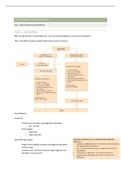
Mood disorders: involve severe alterations in mood for longer periods of time. The disturbances are
intense and persistent enough to lead to serious problems in relationships and work.
The 2 key moods are 1) depression: involves feelings of extraordinary sadness and dejection and 2) mania:
characterized by intense and unrealistic feelings of excitement and euphoria. Manic and depressive mood
states are often seen to be at the opposite ends of a mood continuum and normal states can occur
between both types of episodes.
Unipolar depressive disorder: a person only experiences depressive episodes.
Bipolar depressive disorder: a person experiences both depressive and manic episodes.
Mixed episodes: the person experiences rapidly alternating mood such as sadness, euphoria and irritability,
all within the same the episode
The most common mood disturbance involves a depressive episode: a person is markedly depressed or
less interest in formerly pleasurable activities for at least 2 weeks, as well as other symptoms such as
changes in sleep or appetite or feelings of worthlessness.
The other kind of mood episode is manic episode: the person shows a markedly elevated, euphoric, or
expansive mood, often interrupted by occasional outburst of intense irritability or even violence
(particularly when other people to go along with the manic person’s wishes. Other symptoms include
behavioral symptoms (notable increase in goal directed activity), self-esteem becomes grossly inflated and
mental activity may speed up (flights of ideas or racing thoughts), physical symptoms (decreased need for
sleep etc.). These moods must persist for at least 1 week for a diagnosis to be made.
In milder forms, similar symptoms may lead to the diagnosis of hypomanic episode: a person experiences
abnormally elevated, expansive, or irritable mood for at least 4 days. In addition, the person must have at
least 3 other symptoms (flight of ideas, self-esteem, sleep etc.). The symptoms cause much less
impairment in social and occupational functioning in hypomania compared to mania and hospitalization is
not required.
Prevalence of mood disorders
- They occur 15 to 20 times more than schizophrenia and at almost the same rate as all anxiety
disorders
- Of the 2 types, major depressive disorder (MDD) is the most common and its occurrence has
increased over the decades
- Most recent results found that lifetime prevalence rates of MDD are 17%
- Worldwide mood disorders are the 2nd most common type of disorder (following anxiety)
- 12-month prevalence ranges from 1 to 10 % across different countries
- Rates for MDD are always much higher for women than men (2:1), this sex difference starts around
adolescence
- Bipolar disorder is much less common, the lifetime risk of developing the classic form is about 1%
- There is no difference in sex for bipolar disorder
- U.S. surveys suggest that mood disorders occur less in African Americans than European white
Americans and Hispanics whose rates are comparable
- Rates of MDD are inversely related to SES, the higher the rates the lower the SES, this may be
because low SES leads to adversity and life stress
- However, rates of bipolar disorder are found to be not related to SES
- Both unipolar and bipolar but especially bipolar disorder is very frequent in poets, writers,
composers and artists. One hypothesis to explain this is that mania and depressive actually
facilitate the creative process and the emotional experiences provide material
, Unipolar Depressive Disorders
MAJOR DEPRESSION DISORDER
The criteria require that the person must be in a major depressive episode and never have had a manic,
hypomanic and mixed episode.
Variety of symptoms: lack of energy and ability to carry out daily activities, physical symptoms: loss of
appetite, sleep disturbance, cognitive symptoms: worthlessness and thought of death and suicide. There
are also very high levels of comorbidity between depressive and anxiety disorder.
When a diagnosis is made, it’s specified whether it is a first (single/initial) episode or recurrent episode
(with one or more previous episodes). Depressive episodes typically last about 6 to 9 months if untreated.
Although most depressive episodes end (when the symptoms have been gone for 2 moths), they often
return and this return of symptoms has 2 types: relapse and recurrence.
- Relapse refers to the return of symptoms within a short amount of time, it reflects that the
underlying episode of depression has not yet run its course. E.g. relapse may occur if medication
was terminated prematurely.
Mood disorders: involve severe alterations in mood for longer periods of time. The disturbances are
intense and persistent enough to lead to serious problems in relationships and work.
The 2 key moods are 1) depression: involves feelings of extraordinary sadness and dejection and 2) mania:
characterized by intense and unrealistic feelings of excitement and euphoria. Manic and depressive mood
states are often seen to be at the opposite ends of a mood continuum and normal states can occur
between both types of episodes.
Unipolar depressive disorder: a person only experiences depressive episodes.
Bipolar depressive disorder: a person experiences both depressive and manic episodes.
Mixed episodes: the person experiences rapidly alternating mood such as sadness, euphoria and irritability,
all within the same the episode
The most common mood disturbance involves a depressive episode: a person is markedly depressed or
less interest in formerly pleasurable activities for at least 2 weeks, as well as other symptoms such as
changes in sleep or appetite or feelings of worthlessness.
The other kind of mood episode is manic episode: the person shows a markedly elevated, euphoric, or
expansive mood, often interrupted by occasional outburst of intense irritability or even violence
(particularly when other people to go along with the manic person’s wishes. Other symptoms include
behavioral symptoms (notable increase in goal directed activity), self-esteem becomes grossly inflated and
mental activity may speed up (flights of ideas or racing thoughts), physical symptoms (decreased need for
sleep etc.). These moods must persist for at least 1 week for a diagnosis to be made.
In milder forms, similar symptoms may lead to the diagnosis of hypomanic episode: a person experiences
abnormally elevated, expansive, or irritable mood for at least 4 days. In addition, the person must have at
least 3 other symptoms (flight of ideas, self-esteem, sleep etc.). The symptoms cause much less
impairment in social and occupational functioning in hypomania compared to mania and hospitalization is
not required.
Prevalence of mood disorders
- They occur 15 to 20 times more than schizophrenia and at almost the same rate as all anxiety
disorders
- Of the 2 types, major depressive disorder (MDD) is the most common and its occurrence has
increased over the decades
- Most recent results found that lifetime prevalence rates of MDD are 17%
- Worldwide mood disorders are the 2nd most common type of disorder (following anxiety)
- 12-month prevalence ranges from 1 to 10 % across different countries
- Rates for MDD are always much higher for women than men (2:1), this sex difference starts around
adolescence
- Bipolar disorder is much less common, the lifetime risk of developing the classic form is about 1%
- There is no difference in sex for bipolar disorder
- U.S. surveys suggest that mood disorders occur less in African Americans than European white
Americans and Hispanics whose rates are comparable
- Rates of MDD are inversely related to SES, the higher the rates the lower the SES, this may be
because low SES leads to adversity and life stress
- However, rates of bipolar disorder are found to be not related to SES
- Both unipolar and bipolar but especially bipolar disorder is very frequent in poets, writers,
composers and artists. One hypothesis to explain this is that mania and depressive actually
facilitate the creative process and the emotional experiences provide material
, Unipolar Depressive Disorders
MAJOR DEPRESSION DISORDER
The criteria require that the person must be in a major depressive episode and never have had a manic,
hypomanic and mixed episode.
Variety of symptoms: lack of energy and ability to carry out daily activities, physical symptoms: loss of
appetite, sleep disturbance, cognitive symptoms: worthlessness and thought of death and suicide. There
are also very high levels of comorbidity between depressive and anxiety disorder.
When a diagnosis is made, it’s specified whether it is a first (single/initial) episode or recurrent episode
(with one or more previous episodes). Depressive episodes typically last about 6 to 9 months if untreated.
Although most depressive episodes end (when the symptoms have been gone for 2 moths), they often
return and this return of symptoms has 2 types: relapse and recurrence.
- Relapse refers to the return of symptoms within a short amount of time, it reflects that the
underlying episode of depression has not yet run its course. E.g. relapse may occur if medication
was terminated prematurely.