Conceptual overview
General description
The back consists of the posterior aspect of the body and provides the musculoskeletal axis of
support for the trunk.
Bony elements consist mainly of the vertebrae, although proximal elements of the ribs, superior
aspects of the pelvic bones, and posterior basal regions of the skull contribute to the back's skeletal
framework.
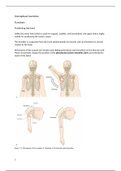
Figure 2.1. Skeletal framework of the back.
Associated muscles interconnect the vertebrae and ribs with each other and with the pelvis and skull.
The back contains the spinal cord and proximal parts of the spinal nerves, which send and receive
information to and from most of the body.
Functions
Support
The functions of the skeletal and muscular elements of the back are to:
- support the body’s weight
- transmit forces through the pelvis to the lower limbs
- carry and position the head
- brace and help maneuver the upper limbs
The vertebral column is positioned posteriorly in the body at the midline.
When the vertebral column is viewed laterally, it has a number of curvatures:
• The primary curvatures of the vertebral column are concave anteriorly, reflecting the
original shape of the embryo, and are retained in the thoracic and sacral regions in adults.
, • The secondary curvatures of the vertebral column, which are concave posteriorly, form in
the cervical and lumbar regions and bring the center of gravity into a vertical line, which
allows the body's weight to be balanced on the vertebral column in a way that expends the
least amount of muscular energy to maintain an upright bipedal stance.
Figure 2.2. Curvatures of the vertebral column.
As stresses on the back increase from the cervical to lumbar regions, lower back problems are
common.
1
, Figure 2.3. The vertebral column.
Movement
Muscles of the back consist of extrinsic and intrinsic groups.
The function of the extrinsic muscles of the back is to:
- move the upper limbs and the ribs
The functions of the intrinsic muscles of the back are to:
- maintain posture
2
General description
The back consists of the posterior aspect of the body and provides the musculoskeletal axis of
support for the trunk.
Bony elements consist mainly of the vertebrae, although proximal elements of the ribs, superior
aspects of the pelvic bones, and posterior basal regions of the skull contribute to the back's skeletal
framework.
Figure 2.1. Skeletal framework of the back.
Associated muscles interconnect the vertebrae and ribs with each other and with the pelvis and skull.
The back contains the spinal cord and proximal parts of the spinal nerves, which send and receive
information to and from most of the body.
Functions
Support
The functions of the skeletal and muscular elements of the back are to:
- support the body’s weight
- transmit forces through the pelvis to the lower limbs
- carry and position the head
- brace and help maneuver the upper limbs
The vertebral column is positioned posteriorly in the body at the midline.
When the vertebral column is viewed laterally, it has a number of curvatures:
• The primary curvatures of the vertebral column are concave anteriorly, reflecting the
original shape of the embryo, and are retained in the thoracic and sacral regions in adults.
, • The secondary curvatures of the vertebral column, which are concave posteriorly, form in
the cervical and lumbar regions and bring the center of gravity into a vertical line, which
allows the body's weight to be balanced on the vertebral column in a way that expends the
least amount of muscular energy to maintain an upright bipedal stance.
Figure 2.2. Curvatures of the vertebral column.
As stresses on the back increase from the cervical to lumbar regions, lower back problems are
common.
1
, Figure 2.3. The vertebral column.
Movement
Muscles of the back consist of extrinsic and intrinsic groups.
The function of the extrinsic muscles of the back is to:
- move the upper limbs and the ribs
The functions of the intrinsic muscles of the back are to:
- maintain posture
2