SNE
Lecture 1: Introduction
Atricles
- Porter. M. 1985. Chapter 1: Competitive strategy: The core concepts. In: M. Porter, Competitive Advantage:
Creating and Sustaining Superior Performance. New York: The Free Press: 1-30.
- Baron, D. P. 1995. Integrated strategy: Market and nonmarket components. California Management Review, 37(2):
47-65.
- Hu, Y.-S. 1995. The International Transferability of the Firm's Advantages. California Management Review, 37(4):
73-88.
- Tallman, S., & Cuervo-Cazurra, A. 2021. Global strategy. In I. Duhaime, M. Hitt, & M. Lyles (Eds.), Strategic
management: State of the field and its future. Oxford: Oxford University Press.
Competititve market strategy
“Competitive strategy is about being different. It means deliberately choosing a different set
of activities to deliver a unique mix of value" (Porter, 1996: 64)
➢ Competitive advantage: relative to competitors
• = “concerted pattern of actions taken in the market environment to create value by
improving economic performance” [...] The market environment includes those interactions
between the firm and other parties that are intermediated by markets or private agreements.
These interactions typically are voluntary and involve economic transactions and the
exchange of property.” (Baron, 1995: 47)
non transferability
• International immobility
➢ E.g., geographical specificity, tacit nature
of knowledge, etc.
• Advantage loses its value in the host environment (i.e., “misfit“)
Global market strategies
Global (market) strategy may help the transferability of competitive (market) advantage:
• Choice of entry mode
• Choice of (country) location
• Process of internationalization • Etc.
Propositions
1. Domestic strengths do not necessarily mean competitive advantages and success in a
foreign country.
,2. The company that operates most successfully abroad may not be the strongest firm in the
industry at home.
➢ E.g., Japanese cars
3. For the same firm with international operations, the advantage that matters most in the
home nation may not be the same as the advantage that has most value in a foreign country.
Global strategy
= “involves the study of cross-border activities of economic agents or the strategies and
governance of firms engaged in such activity.” (Tallman & Pedersen, 2015: 273)
CORPORATE “STRATEGY IN
CONTEXT” (Tallman & Cuervo-Cazurra,
2021)
Why is it important?
• Global trends in technology, society,
politics, economics, etc.
• Variations in the sociocultural, politico-
legal, techno-economic, and geographic
characteristics of countries (i.e., non-
market elements!)
→ merge insights from international
business (IB) with corporate
(competitive) strategy!
Global-non-market strategies
“The literature [integrating non-market elements] in the international context is extremely
limited. Many research questions are left unanswered or unexplored.” (Sun et al., 2021)
Why is it important?
• political, social, and natural aspects of the global arena become
increasingly intertwined and progressively salient for the performance
and survival of MNEs (Doh & Lucea, 2013)
Brief intro: NME
= “(the) set of forces [that] are manifested outside of markets but often
work in conjunction with them [and] consists of the social, political, and
legal arrangements that structure interactions among companies and
their public” (Baron, 1995: 48)
Market and Non-Market Environment
= “a firm’s concerted pattern of actions to improve its
performance by managing the institutional or societal context of
economic competition.” (Mellahi et al., 2016: 144)
Stay tuned: coming up in lecture 6-9!
➢ Theoretical background of non-market environment (i.e.,
institutional theory) ➢ Non-market strategies (e.g., corporate
political activity, CSR)
➢ New markets/firms: (i.e., digital firms, platform MNEs)
,
, Lecture 2: Market strategies: internationalization and entry mode choices
Articles
- Dunning, J. H. 1980. Toward an eclectic theory of international production: Some empirical tests. Journal of
International Business Studies, 11: 9-31.
- Zaheer, S. 1995. Overcoming the Liability of Foreignness. Academy of Management Journal, 38: 341-363.
- Meyer, K., Wright, M., & Pruthi, S. 2009. Managing Knowledge in Foreign Entry Strategies: A Resource-Based
Analysis. Strategic Management Journal, 30: 557-574.
Global strategy
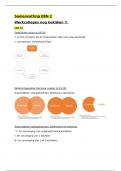
Internationalization-Performance contingencies
Mode of entry: how to internationalize? (today!)
Location choice: where to internationalize? (lecture 3)
Time: when to internationalize? (lecture 4 or 5)
Control: how to manage internationalization? (lecture 4 or 5)
Lecture 1: Introduction
Atricles
- Porter. M. 1985. Chapter 1: Competitive strategy: The core concepts. In: M. Porter, Competitive Advantage:
Creating and Sustaining Superior Performance. New York: The Free Press: 1-30.
- Baron, D. P. 1995. Integrated strategy: Market and nonmarket components. California Management Review, 37(2):
47-65.
- Hu, Y.-S. 1995. The International Transferability of the Firm's Advantages. California Management Review, 37(4):
73-88.
- Tallman, S., & Cuervo-Cazurra, A. 2021. Global strategy. In I. Duhaime, M. Hitt, & M. Lyles (Eds.), Strategic
management: State of the field and its future. Oxford: Oxford University Press.
Competititve market strategy
“Competitive strategy is about being different. It means deliberately choosing a different set
of activities to deliver a unique mix of value" (Porter, 1996: 64)
➢ Competitive advantage: relative to competitors
• = “concerted pattern of actions taken in the market environment to create value by
improving economic performance” [...] The market environment includes those interactions
between the firm and other parties that are intermediated by markets or private agreements.
These interactions typically are voluntary and involve economic transactions and the
exchange of property.” (Baron, 1995: 47)
non transferability
• International immobility
➢ E.g., geographical specificity, tacit nature
of knowledge, etc.
• Advantage loses its value in the host environment (i.e., “misfit“)
Global market strategies
Global (market) strategy may help the transferability of competitive (market) advantage:
• Choice of entry mode
• Choice of (country) location
• Process of internationalization • Etc.
Propositions
1. Domestic strengths do not necessarily mean competitive advantages and success in a
foreign country.
,2. The company that operates most successfully abroad may not be the strongest firm in the
industry at home.
➢ E.g., Japanese cars
3. For the same firm with international operations, the advantage that matters most in the
home nation may not be the same as the advantage that has most value in a foreign country.
Global strategy
= “involves the study of cross-border activities of economic agents or the strategies and
governance of firms engaged in such activity.” (Tallman & Pedersen, 2015: 273)
CORPORATE “STRATEGY IN
CONTEXT” (Tallman & Cuervo-Cazurra,
2021)
Why is it important?
• Global trends in technology, society,
politics, economics, etc.
• Variations in the sociocultural, politico-
legal, techno-economic, and geographic
characteristics of countries (i.e., non-
market elements!)
→ merge insights from international
business (IB) with corporate
(competitive) strategy!
Global-non-market strategies
“The literature [integrating non-market elements] in the international context is extremely
limited. Many research questions are left unanswered or unexplored.” (Sun et al., 2021)
Why is it important?
• political, social, and natural aspects of the global arena become
increasingly intertwined and progressively salient for the performance
and survival of MNEs (Doh & Lucea, 2013)
Brief intro: NME
= “(the) set of forces [that] are manifested outside of markets but often
work in conjunction with them [and] consists of the social, political, and
legal arrangements that structure interactions among companies and
their public” (Baron, 1995: 48)
Market and Non-Market Environment
= “a firm’s concerted pattern of actions to improve its
performance by managing the institutional or societal context of
economic competition.” (Mellahi et al., 2016: 144)
Stay tuned: coming up in lecture 6-9!
➢ Theoretical background of non-market environment (i.e.,
institutional theory) ➢ Non-market strategies (e.g., corporate
political activity, CSR)
➢ New markets/firms: (i.e., digital firms, platform MNEs)
,
, Lecture 2: Market strategies: internationalization and entry mode choices
Articles
- Dunning, J. H. 1980. Toward an eclectic theory of international production: Some empirical tests. Journal of
International Business Studies, 11: 9-31.
- Zaheer, S. 1995. Overcoming the Liability of Foreignness. Academy of Management Journal, 38: 341-363.
- Meyer, K., Wright, M., & Pruthi, S. 2009. Managing Knowledge in Foreign Entry Strategies: A Resource-Based
Analysis. Strategic Management Journal, 30: 557-574.
Global strategy
Internationalization-Performance contingencies
Mode of entry: how to internationalize? (today!)
Location choice: where to internationalize? (lecture 3)
Time: when to internationalize? (lecture 4 or 5)
Control: how to manage internationalization? (lecture 4 or 5)