Begrippenlijst clinical 2
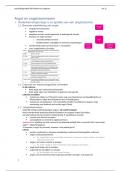
etiology = oorzakenleer
Chapter Schizophrenia
schizophrenia disorder characterized by disordered thinking where ideas are not logically
related, faulty perception and attention, a lack of emotional expressiveness
and disturbance behavior such as disheveled appearance. prevalence 1%
and more in men than women
positive symptoms psychotic symptoms comprise excesses and distortions
delusions are beliefs contrary to reality and firmly held despite disconfirming
evidence
thought insertion the belief that thoughts are not your own but placed in your mind by an
external source
thought broadcasting the belief that your thoughts are broadcast or transmitted so that others
know what you are thinking
delusion of reference the incorporation of unimportant events within a delusional framework and
reading personal significance into the trivial activities of others
delusion of control the belief that an external force controls your feelings or behaviors
grandiose delusion an exaggerated sense of own importance, power, knowledge or identity
persecutory delusions the belief that others are going out of their way to harm, haras, discredit or
conspire against them
hallucinations are sensory experiences in the absence of any relevant stimulation from
the environment. more often auditory than visual.
negative symptoms are deficits in motivation, pleasure, social closeness and emotional
expression which predict a poor quality of life and are more continue
avolition (apathy) a lack of motivation and seeming absence of interest in or persistence in
what are usually routine activities
asociality severe impairments in social relationship (few friends, poor social
skills, very little interest in being with other people) → prefer time
alone, may not care for close relationships
anhedonia a loss of interest in the experience of pleasure
● consummatory pleasure; the amount of pleasure experienced in
the moment or in the presence of something pleasurable
● anticipatory pleasure: the amount of expected or anticipated
pleasure form future events or activities
Schizophrenia people have a deficit in anticipatory pleasure but not
consummatory pleasure
blunted affect lack of outward expression of emotion; look away, flatness in tone
alogia a significant reduction in the amount of speech
disorganized symptoms include disorganized speech and behavior
disorganized speech (formal thought disorder) refers to the problem with organizing ideas and in
speaking so that a listener can understand
● loose associations/derailment: the person my be more successful
1
, in communicating with a listener but has difficulty sticking to one
topic and drifts associations evoked by an idea of the past
disorganized behavior loss of ability to organize one’s behavior and make it conform to
community standards
● difficulty performing tasks of everyday living
○ catatonia
○ repeated complex gesturing
○ unusual postures
schizophreniform disorder same symptoms as schizophrenia but only last 1 to 6 months
brief psychotic disorder same symptoms but last form 1 day to a month and is often brought by
extreme stress
schizoaffective disorder a mixture of symptoms of schizophrenia and mood disorders requiring
either a depressive or manic episode
delusional disorder persistent delusions but no other symptoms of schizophrenia
● believing someone with a high status is in love with them
● somatic delusions
attenuated psychosis syndrome DSM 5 added disorder
● people who are prodromal, having early signs of schizophrenia
● have positive symptoms
● pros: early treatment
● cons: lacks reliability and validity; comorbidity
behavior genetics research heritability of 0.77 and more risk for MZ twins than for DZ twins
family high risk study risk for offspring increases as the number of diagnosed parents increases.
The risk of developing schizophrenia is higher if one parent has
schizophrenia and the other bipolar than when the other has none.
molecular genetics research have found that there are multiple genes associated with
schizophrenia and bipolar disorder and that genetic vulnerability
is not likely specific schizophrenia (polygenetic) → dopamine and
glutamate associated
dopamine theory the theory that schizophrenia is related to excess activity of the
neurotransmitter dopamine is based principally on the knowledge that
antipsychotics are effective in treating schizophrenia, reduce dopamine
activity, but did result in symptoms of parkinson in some patient
prefrontal cortex is of particular importance in schizophrenia due to the differences in
speech, decision making, emotions and goal directed behavior; dendrites
spines are lost meaning that there is less communication between neurons
connectivity in the brain schizophrenia patients (and their relatives) have less white matter
connectivity in frontal and temporal cortices as well as less connectivity
between other brain regions
● functional connectivity: based on correlations between their blood
oxygen
● effective connectivity: both correlations between their blood oxygen
and the direction and timing of those activations as well
environmental factors influencing ● deafness
the developing brain ● brain abnormality during gestation or birth
○ maternal infections during pregnancy
2
, ○ adolescence stress
○ extensive synaptic pruning
○ cannabis use
psychological factors ● SES (social selection of poor neighborhoods)
● migrants
● family factors; expressed emotions
development factors retrospective: kids who develop schizophrenia had lower IQ and were
more withdrawn
Prospective studies: Lower IQ scores predicted onset of schizophrenia
medication treatment about 30% of the people with schizophrenia do not respond favorably to
the first generation antipsychotics, because the side effects are so
unpleasant (parkinson symptoms
● tardive dyskinesia; mouth muscles involuntary move
● neuroleptic malignant syndrome: severe muscular rigidity develops
Medication is indispensable, but the percentage of positive responses are
very low
psychological treatments ● Social skill training: teach people how to successfully manage a
wide variety of interpersonal situations
○ family therapies (extending knowledge about
schizophrenia)
● CBT: people can be encouraged to test out their delusional beliefs
and attach as a nonpsychotic meaning to paranoid symptoms and
thereby reduce the intensity
● Cognitive remediation training/cognitive enhancement therapy
(CET); enhance basic cognitive functions; verbal learning ability
● psychoeducation: educating people about their illness
● case management: a service to connect with schizophrenia people
● residential treatment: alternatives for people who do not need to be
in a hospital setting, but aren’t in a position to do well alone
Chapter substance use
disorder
substance use disorder umbrella term that can apply to many specific substances and is one of the
most stigmatized mental illnesses. Meeting 2-3 criteria (mild disorder), 4-6
(medium), 6 or more (severe)
tolerance refers to either larger doses of the substance bein needed to produce to
desired effect or the effect of th drug becoming markedly less if the usual
amount is raking
withdrawal refers to the negative physical and psychological effects which develop
when a person stops taking or reduce the amount
defining symptoms of gambling ● often occurs when a person feels negative emotions
disorder ● efforts to stop cause negative emotions
● lies about gambling
● ask other people to fix financial consequences of gambling
● gambling with more money is needed to get desired good feelings
DM5 criteria substance use ● keeping using a substance even if it is dangerous to do so
disorder (two or more symptoms ● tolerance/withdrawal
< 1 year period) ● taking more of the substance than originally intended
● strong cravings to use the substance
3
etiology = oorzakenleer
Chapter Schizophrenia
schizophrenia disorder characterized by disordered thinking where ideas are not logically
related, faulty perception and attention, a lack of emotional expressiveness
and disturbance behavior such as disheveled appearance. prevalence 1%
and more in men than women
positive symptoms psychotic symptoms comprise excesses and distortions
delusions are beliefs contrary to reality and firmly held despite disconfirming
evidence
thought insertion the belief that thoughts are not your own but placed in your mind by an
external source
thought broadcasting the belief that your thoughts are broadcast or transmitted so that others
know what you are thinking
delusion of reference the incorporation of unimportant events within a delusional framework and
reading personal significance into the trivial activities of others
delusion of control the belief that an external force controls your feelings or behaviors
grandiose delusion an exaggerated sense of own importance, power, knowledge or identity
persecutory delusions the belief that others are going out of their way to harm, haras, discredit or
conspire against them
hallucinations are sensory experiences in the absence of any relevant stimulation from
the environment. more often auditory than visual.
negative symptoms are deficits in motivation, pleasure, social closeness and emotional
expression which predict a poor quality of life and are more continue
avolition (apathy) a lack of motivation and seeming absence of interest in or persistence in
what are usually routine activities
asociality severe impairments in social relationship (few friends, poor social
skills, very little interest in being with other people) → prefer time
alone, may not care for close relationships
anhedonia a loss of interest in the experience of pleasure
● consummatory pleasure; the amount of pleasure experienced in
the moment or in the presence of something pleasurable
● anticipatory pleasure: the amount of expected or anticipated
pleasure form future events or activities
Schizophrenia people have a deficit in anticipatory pleasure but not
consummatory pleasure
blunted affect lack of outward expression of emotion; look away, flatness in tone
alogia a significant reduction in the amount of speech
disorganized symptoms include disorganized speech and behavior
disorganized speech (formal thought disorder) refers to the problem with organizing ideas and in
speaking so that a listener can understand
● loose associations/derailment: the person my be more successful
1
, in communicating with a listener but has difficulty sticking to one
topic and drifts associations evoked by an idea of the past
disorganized behavior loss of ability to organize one’s behavior and make it conform to
community standards
● difficulty performing tasks of everyday living
○ catatonia
○ repeated complex gesturing
○ unusual postures
schizophreniform disorder same symptoms as schizophrenia but only last 1 to 6 months
brief psychotic disorder same symptoms but last form 1 day to a month and is often brought by
extreme stress
schizoaffective disorder a mixture of symptoms of schizophrenia and mood disorders requiring
either a depressive or manic episode
delusional disorder persistent delusions but no other symptoms of schizophrenia
● believing someone with a high status is in love with them
● somatic delusions
attenuated psychosis syndrome DSM 5 added disorder
● people who are prodromal, having early signs of schizophrenia
● have positive symptoms
● pros: early treatment
● cons: lacks reliability and validity; comorbidity
behavior genetics research heritability of 0.77 and more risk for MZ twins than for DZ twins
family high risk study risk for offspring increases as the number of diagnosed parents increases.
The risk of developing schizophrenia is higher if one parent has
schizophrenia and the other bipolar than when the other has none.
molecular genetics research have found that there are multiple genes associated with
schizophrenia and bipolar disorder and that genetic vulnerability
is not likely specific schizophrenia (polygenetic) → dopamine and
glutamate associated
dopamine theory the theory that schizophrenia is related to excess activity of the
neurotransmitter dopamine is based principally on the knowledge that
antipsychotics are effective in treating schizophrenia, reduce dopamine
activity, but did result in symptoms of parkinson in some patient
prefrontal cortex is of particular importance in schizophrenia due to the differences in
speech, decision making, emotions and goal directed behavior; dendrites
spines are lost meaning that there is less communication between neurons
connectivity in the brain schizophrenia patients (and their relatives) have less white matter
connectivity in frontal and temporal cortices as well as less connectivity
between other brain regions
● functional connectivity: based on correlations between their blood
oxygen
● effective connectivity: both correlations between their blood oxygen
and the direction and timing of those activations as well
environmental factors influencing ● deafness
the developing brain ● brain abnormality during gestation or birth
○ maternal infections during pregnancy
2
, ○ adolescence stress
○ extensive synaptic pruning
○ cannabis use
psychological factors ● SES (social selection of poor neighborhoods)
● migrants
● family factors; expressed emotions
development factors retrospective: kids who develop schizophrenia had lower IQ and were
more withdrawn
Prospective studies: Lower IQ scores predicted onset of schizophrenia
medication treatment about 30% of the people with schizophrenia do not respond favorably to
the first generation antipsychotics, because the side effects are so
unpleasant (parkinson symptoms
● tardive dyskinesia; mouth muscles involuntary move
● neuroleptic malignant syndrome: severe muscular rigidity develops
Medication is indispensable, but the percentage of positive responses are
very low
psychological treatments ● Social skill training: teach people how to successfully manage a
wide variety of interpersonal situations
○ family therapies (extending knowledge about
schizophrenia)
● CBT: people can be encouraged to test out their delusional beliefs
and attach as a nonpsychotic meaning to paranoid symptoms and
thereby reduce the intensity
● Cognitive remediation training/cognitive enhancement therapy
(CET); enhance basic cognitive functions; verbal learning ability
● psychoeducation: educating people about their illness
● case management: a service to connect with schizophrenia people
● residential treatment: alternatives for people who do not need to be
in a hospital setting, but aren’t in a position to do well alone
Chapter substance use
disorder
substance use disorder umbrella term that can apply to many specific substances and is one of the
most stigmatized mental illnesses. Meeting 2-3 criteria (mild disorder), 4-6
(medium), 6 or more (severe)
tolerance refers to either larger doses of the substance bein needed to produce to
desired effect or the effect of th drug becoming markedly less if the usual
amount is raking
withdrawal refers to the negative physical and psychological effects which develop
when a person stops taking or reduce the amount
defining symptoms of gambling ● often occurs when a person feels negative emotions
disorder ● efforts to stop cause negative emotions
● lies about gambling
● ask other people to fix financial consequences of gambling
● gambling with more money is needed to get desired good feelings
DM5 criteria substance use ● keeping using a substance even if it is dangerous to do so
disorder (two or more symptoms ● tolerance/withdrawal
< 1 year period) ● taking more of the substance than originally intended
● strong cravings to use the substance
3