Criminal Courts and Lay People
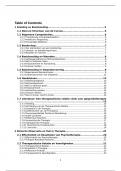
Classification of offences
Pre- trial procedures
Jurisdiction of the criminal (trial) courts (aka the courts of “first instance”)
Routes of appeal from the criminal courts
Sentencing
Juries
Magistrates
Classification/types of criminal offences
There are three main classes/types (categories) of criminal offence;
summary, triable- either- way (TEW) and indictable offences.
Summary offences are minor offences, such as assault or battery, which
have their trial in the Magistrates’ Courts and have a maximum penalty of 6
months imprisonment.
Triable either way offences, such as theft, S47 ABH and S20 GBH, which
can vary (range) in severity (seriousness) from minor to very serious. They
can have their trial in either the Magistrates’ Courts or the Crown Court
following a mode of trial hearing to decide jurisdiction/venue.
Indictable offences are the most serious offences, such as murder and S18
wounding/GBH with intent, which have their trial in the Crown Courts before a
judge and jury and there is no maximum penalty .
Jurisdiction of the criminal trial courts
The criminal trial courts (courts of first instance) are the Magistrates’ Courts
and the Crown Courts.
(I) Magistrates Court
A single district judge or a panel of two or three lay magistrates, sit in the 240 Magistrates’
Courts, dealing with pre-trial matters (for all categories/types of offences) and hearing the
trials of all summary offences and some triable either way offences (97% of all criminal
trials which is 1.5 million cases), plus trials of 10-17 year olds in the “Youth Courts”.
Lay magistrates sit with qualified legal advisor and decide both verdict and sentence, up to
6 months in prison for one offence (or 12 months for 2 offences). They have fixed fines for
some offences but others are unlimited.
(II) Crown Court
Classification of offences
Pre- trial procedures
Jurisdiction of the criminal (trial) courts (aka the courts of “first instance”)
Routes of appeal from the criminal courts
Sentencing
Juries
Magistrates
Classification/types of criminal offences
There are three main classes/types (categories) of criminal offence;
summary, triable- either- way (TEW) and indictable offences.
Summary offences are minor offences, such as assault or battery, which
have their trial in the Magistrates’ Courts and have a maximum penalty of 6
months imprisonment.
Triable either way offences, such as theft, S47 ABH and S20 GBH, which
can vary (range) in severity (seriousness) from minor to very serious. They
can have their trial in either the Magistrates’ Courts or the Crown Court
following a mode of trial hearing to decide jurisdiction/venue.
Indictable offences are the most serious offences, such as murder and S18
wounding/GBH with intent, which have their trial in the Crown Courts before a
judge and jury and there is no maximum penalty .
Jurisdiction of the criminal trial courts
The criminal trial courts (courts of first instance) are the Magistrates’ Courts
and the Crown Courts.
(I) Magistrates Court
A single district judge or a panel of two or three lay magistrates, sit in the 240 Magistrates’
Courts, dealing with pre-trial matters (for all categories/types of offences) and hearing the
trials of all summary offences and some triable either way offences (97% of all criminal
trials which is 1.5 million cases), plus trials of 10-17 year olds in the “Youth Courts”.
Lay magistrates sit with qualified legal advisor and decide both verdict and sentence, up to
6 months in prison for one offence (or 12 months for 2 offences). They have fixed fines for
some offences but others are unlimited.
(II) Crown Court