Cell Division, Cell Diversity and Cell Differentiation Notes
1. The cell cycle and its regulation
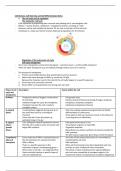
The eukaryotic cell cycle
- Cells reproduce by duplicating their contents and splitting into 2 new daughter cells
- Mitosis = nuclear division, cytokinesis = cytoplasmic division, resulting in 2 cells
- However nuclear and cytoplasmic division ‘M’ are only a small part of the cell cycle
- Interphase is a major part which involves elaborate preparations for the division
Regulation of the eukaryotic cell cycle
Cell-cycle checkpoints
- The 2 main checkpoints are the G1/S checkpoint – restriction point – and the G2/M checkpoint
- There are other checkpoints e.g. one halfway through mitosis and one in early G1
- The purpose of checkpoints:
1. Prevent uncontrolled division that would lead to tumours (cancer)
2. Detect and repair damage to DNA e.g. caused by UV light
Because the molecular events that control the cell cycle happen in a specific sequence:
3. Ensure the cycle cannot be reversed
4. Ensure DNA is only duplicated once during each cell cycle
Phase of cell Description Events within the cell
cycle and
checkpoints
M Phase - Checkpoint chemical triggers condensation - Cell growth stops
of chromatin - Nuclear division (mitosis) consisting of stages: prophase,
- Halfway through the cycle, the metaphase metaphase, anaphase, telophase
checkpoint ensures the cell is ready to - Cytokinesis (cytoplasmic division)
complete mitosis
G0 (gap 0) - A resting phase triggered during early G1 at - Cells may undergo apoptosis (programmed cell death),
phase the restriction point by a checkpoint differentiation or senescence
chemical - Some types of cells e.g. neurones remain in this phase for
- Some cells don’t have this phase e.g. a very long time or indefinitely
epithelial lining in the gut
G1 (gap 1) - A G1 checkpoint control mechanism ensures - Cells grow and increase in size
phase – that the cell is ready to enter he S phase and - Transcription of genes to make RNA
growth begin DNA synthesis - Organelles duplicate
phase - Biosynthesis e.g. protein synthesis of enzymes needed for
DNA synthesis
- The p53 tumour suppressor gene helps control this phase
S (synthesis) - Every molecule of DNA is replicated because - Once the cell has entered this phase it is committed to
phase of the chromosomes are unwound and the completing the cell cycle
interphase DNA is diffuse - DNA replicates
- There is a specific sequence to the - When all chromosomes have been duplicated each one
replication of genes: housekeeping genes – consists of a pair of identical sister chromatids
those active in all cells – are duplicated first - This phase is rapid, and because the exposed DNA bse
- Genes normally inactive in specific types of pairs are more susceptible to mutagenic agents, this
cells are replicated last reduces the chances of spontaneous mutations happening
, G2 (gap 2) - Special chemicals ensure the cell is ready for - Cells grow
phase of mitosis by stimulating proteins that will be
interphase involved in making chromosomes condense
and in formation of the spindle
2. Mitosis
The significance of mitosis in the life cycle
1. Asexual reproduction
• Single-celled protoctists e.g. Amoeba divide by mitosis to produce new individuals
• Some plants e.g. strawberries reproduce asexually by forming new plantlets on the ends of
stolons (runners)
• Fungi e.g. yeast reproduce asexually via mitosis
• Asexual reproduction is rarer in animals but some female sharks in captivity away from males can
produce female offspring genetically identical to themselves
2. Growth
• All multicellular organisms grow by producing more cells that are genetically identical to each
other and to the parent cell from which they arose by mitosis
3. Tissue repair
• Wounds heal when growth factors, secreted by platelets and macrophages (white blood cells)
and damaged cells of the blood-vessel walls, stimulate the production of endothelial and smooth
muscle cells to repair damaged blood vessels
The main stages of mitosis
Prophase
1. The chromosomes that have replicated during the S phase of interphase and consist of two
identical sister chromatids, now shorten and thicken as the DNA supercoils
2. The nuclear envelope breaks down
3. The centriole in animal cells (usually found in the centrosome) divides and 2 new daughter
centrioles move to opposite poles of the cell
4. Cytoskeleton protein (tubulin) threads form a spindle between the centrioles, in plant cells
tubulin threads are formed from the cytoplasm
Metaphase
1. Pairs of chromatids attach to the spindle threads at the equator region by their centromeres
Microtubules forming spindles are green, tubulin with threads emanating from the centrioles are
pink dots, chromosomes are blue, actin cytoskeleton filaments of the cell are red
Anaphase
1. The centromere of each pair of chromatids splits
2. Motor proteins walk along the tubulin threads and pull each sister chromatid of a pair in opposite
directions, towards opposite poles
3. Because the centromere goes first, the chromatids – now chromosomes – form a V shape
Chromosomes are blue, spindle tubulin threads are green
1. The cell cycle and its regulation
The eukaryotic cell cycle
- Cells reproduce by duplicating their contents and splitting into 2 new daughter cells
- Mitosis = nuclear division, cytokinesis = cytoplasmic division, resulting in 2 cells
- However nuclear and cytoplasmic division ‘M’ are only a small part of the cell cycle
- Interphase is a major part which involves elaborate preparations for the division
Regulation of the eukaryotic cell cycle
Cell-cycle checkpoints
- The 2 main checkpoints are the G1/S checkpoint – restriction point – and the G2/M checkpoint
- There are other checkpoints e.g. one halfway through mitosis and one in early G1
- The purpose of checkpoints:
1. Prevent uncontrolled division that would lead to tumours (cancer)
2. Detect and repair damage to DNA e.g. caused by UV light
Because the molecular events that control the cell cycle happen in a specific sequence:
3. Ensure the cycle cannot be reversed
4. Ensure DNA is only duplicated once during each cell cycle
Phase of cell Description Events within the cell
cycle and
checkpoints
M Phase - Checkpoint chemical triggers condensation - Cell growth stops
of chromatin - Nuclear division (mitosis) consisting of stages: prophase,
- Halfway through the cycle, the metaphase metaphase, anaphase, telophase
checkpoint ensures the cell is ready to - Cytokinesis (cytoplasmic division)
complete mitosis
G0 (gap 0) - A resting phase triggered during early G1 at - Cells may undergo apoptosis (programmed cell death),
phase the restriction point by a checkpoint differentiation or senescence
chemical - Some types of cells e.g. neurones remain in this phase for
- Some cells don’t have this phase e.g. a very long time or indefinitely
epithelial lining in the gut
G1 (gap 1) - A G1 checkpoint control mechanism ensures - Cells grow and increase in size
phase – that the cell is ready to enter he S phase and - Transcription of genes to make RNA
growth begin DNA synthesis - Organelles duplicate
phase - Biosynthesis e.g. protein synthesis of enzymes needed for
DNA synthesis
- The p53 tumour suppressor gene helps control this phase
S (synthesis) - Every molecule of DNA is replicated because - Once the cell has entered this phase it is committed to
phase of the chromosomes are unwound and the completing the cell cycle
interphase DNA is diffuse - DNA replicates
- There is a specific sequence to the - When all chromosomes have been duplicated each one
replication of genes: housekeeping genes – consists of a pair of identical sister chromatids
those active in all cells – are duplicated first - This phase is rapid, and because the exposed DNA bse
- Genes normally inactive in specific types of pairs are more susceptible to mutagenic agents, this
cells are replicated last reduces the chances of spontaneous mutations happening
, G2 (gap 2) - Special chemicals ensure the cell is ready for - Cells grow
phase of mitosis by stimulating proteins that will be
interphase involved in making chromosomes condense
and in formation of the spindle
2. Mitosis
The significance of mitosis in the life cycle
1. Asexual reproduction
• Single-celled protoctists e.g. Amoeba divide by mitosis to produce new individuals
• Some plants e.g. strawberries reproduce asexually by forming new plantlets on the ends of
stolons (runners)
• Fungi e.g. yeast reproduce asexually via mitosis
• Asexual reproduction is rarer in animals but some female sharks in captivity away from males can
produce female offspring genetically identical to themselves
2. Growth
• All multicellular organisms grow by producing more cells that are genetically identical to each
other and to the parent cell from which they arose by mitosis
3. Tissue repair
• Wounds heal when growth factors, secreted by platelets and macrophages (white blood cells)
and damaged cells of the blood-vessel walls, stimulate the production of endothelial and smooth
muscle cells to repair damaged blood vessels
The main stages of mitosis
Prophase
1. The chromosomes that have replicated during the S phase of interphase and consist of two
identical sister chromatids, now shorten and thicken as the DNA supercoils
2. The nuclear envelope breaks down
3. The centriole in animal cells (usually found in the centrosome) divides and 2 new daughter
centrioles move to opposite poles of the cell
4. Cytoskeleton protein (tubulin) threads form a spindle between the centrioles, in plant cells
tubulin threads are formed from the cytoplasm
Metaphase
1. Pairs of chromatids attach to the spindle threads at the equator region by their centromeres
Microtubules forming spindles are green, tubulin with threads emanating from the centrioles are
pink dots, chromosomes are blue, actin cytoskeleton filaments of the cell are red
Anaphase
1. The centromere of each pair of chromatids splits
2. Motor proteins walk along the tubulin threads and pull each sister chromatid of a pair in opposite
directions, towards opposite poles
3. Because the centromere goes first, the chromatids – now chromosomes – form a V shape
Chromosomes are blue, spindle tubulin threads are green