‘American Literature is concerned with man’s relationship to the natural world.”
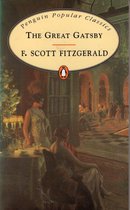
Through Fitzgerald’s 1925 novel The Great Gatsby, and Steinbeck’s 1939 novel The Grapes of Wrath,
the authors explored man’s relationship to the natural world. Whilst Steinbeck focused on man’s
relationship with the natural world in terms of economic pressures and capitalistic growth, Fitzgerald
seemed to focus more on the absence of man’s connection with nature. Writing in 1920s America,
Fitzgerald would have been heavily influenced by the effects of overconsumption and mechanisation
as this was during a period of supposed thriving economy and wealth – though in reality this did not
translate to the working classes as can be seen through the Valley of Ashes. Similarly, Steinbeck
wrote during a period of great separation of the classes across America. The effects of
mechanisation in the late 1930s and early 1940s was only beneficial to those in power or wealth; this
is particularly evident through the disconnect of the upper classes to nature whilst the agricultural
workers remained close to it, proving their humanity. On one hand, Fitzgerald focuses on man’s
inability to sustain a positive relationship with the natural world. Though, on the other hand,
Steinbeck highlights the importance of a connection to nature through the divide in class and the
ability for only the agricultural workers to maintain a healthy relationship with nature as their
humanity has not been taken by capitalist ideology.
Fitzgerald focused heavily on man’s inability to sustain a positive relationship with the natural world.
Writing in 1920s America, he would have been heavily influenced by the “changing cultural norms
that threaten a traditional society” (Tripp). The effects of the roaring twenties, with its
overconsumption and mechanisation highlighted that despite one’s background, man’s relationship
with nature is ever decreasing. The traditional roles of working on the land and caring for it that the
country had initially thrived on are ever decreasing since the colonisation of the land and the thirst
for wealth and global status grew through the concept of capitalism. Through the American Dream
and it’s advocation for social climbing, nature is inevitably disregarded and pushed aside by society.
This is clear through the way the Valley of Ashes is described as “a fantastic farm where ashes grow
like wheat”. Presented so positively, the area is given the illusion of an impressive and progressive
place with “chimneys and rising smoke”. However, by destroying the land for its industrial benefits,
natural land is inevitably destroyed. Leaving a “small foul river” and dust up in the air. Economic
progression clearly being the drive for this destruction shows a void of human sympathy and nature
in connection to its roots. Whilst, by industrialising, man is technically still using the land, man’s
relationship with it is thus revealed not to be healthy.
Though in the case of the Valley of Ashes, there is no regret or sympathy for the land felt, in the case
of Gatsby’s death there is a sense of remorse for his ignorance. Despite man not having a
relationship with the natural world, the natural world does show a connection to man as after
Gatsby’s death, “a cluster of leaves revolved it slowly”. Whilst this could mainly be representative of
man’s ignorance towards earth, it could also show that “self-made ideology became harder and
harder to achieve” (Tripp), as all his focus goes into self-realisation and his desire for Daisy, and so
there is no room left to focus also on his relationship with the natural world. The “small gust of wind
that scarcely corrugated the surface” shows nature trying to cling onto its relationship with man, as
this becomes harder and harder to achieve. Similarly, the green light that Gatsby chases after
throughout the novel is representative of Daisy. His love for Daisy and force towards the green light
could show his effort and the lengths that he goes to in terms of his human and natural
relationships. However, his eventual downfall and therefore loss of his ‘American Dream’ to be with
Through Fitzgerald’s 1925 novel The Great Gatsby, and Steinbeck’s 1939 novel The Grapes of Wrath,
the authors explored man’s relationship to the natural world. Whilst Steinbeck focused on man’s
relationship with the natural world in terms of economic pressures and capitalistic growth, Fitzgerald
seemed to focus more on the absence of man’s connection with nature. Writing in 1920s America,
Fitzgerald would have been heavily influenced by the effects of overconsumption and mechanisation
as this was during a period of supposed thriving economy and wealth – though in reality this did not
translate to the working classes as can be seen through the Valley of Ashes. Similarly, Steinbeck
wrote during a period of great separation of the classes across America. The effects of
mechanisation in the late 1930s and early 1940s was only beneficial to those in power or wealth; this
is particularly evident through the disconnect of the upper classes to nature whilst the agricultural
workers remained close to it, proving their humanity. On one hand, Fitzgerald focuses on man’s
inability to sustain a positive relationship with the natural world. Though, on the other hand,
Steinbeck highlights the importance of a connection to nature through the divide in class and the
ability for only the agricultural workers to maintain a healthy relationship with nature as their
humanity has not been taken by capitalist ideology.
Fitzgerald focused heavily on man’s inability to sustain a positive relationship with the natural world.
Writing in 1920s America, he would have been heavily influenced by the “changing cultural norms
that threaten a traditional society” (Tripp). The effects of the roaring twenties, with its
overconsumption and mechanisation highlighted that despite one’s background, man’s relationship
with nature is ever decreasing. The traditional roles of working on the land and caring for it that the
country had initially thrived on are ever decreasing since the colonisation of the land and the thirst
for wealth and global status grew through the concept of capitalism. Through the American Dream
and it’s advocation for social climbing, nature is inevitably disregarded and pushed aside by society.
This is clear through the way the Valley of Ashes is described as “a fantastic farm where ashes grow
like wheat”. Presented so positively, the area is given the illusion of an impressive and progressive
place with “chimneys and rising smoke”. However, by destroying the land for its industrial benefits,
natural land is inevitably destroyed. Leaving a “small foul river” and dust up in the air. Economic
progression clearly being the drive for this destruction shows a void of human sympathy and nature
in connection to its roots. Whilst, by industrialising, man is technically still using the land, man’s
relationship with it is thus revealed not to be healthy.
Though in the case of the Valley of Ashes, there is no regret or sympathy for the land felt, in the case
of Gatsby’s death there is a sense of remorse for his ignorance. Despite man not having a
relationship with the natural world, the natural world does show a connection to man as after
Gatsby’s death, “a cluster of leaves revolved it slowly”. Whilst this could mainly be representative of
man’s ignorance towards earth, it could also show that “self-made ideology became harder and
harder to achieve” (Tripp), as all his focus goes into self-realisation and his desire for Daisy, and so
there is no room left to focus also on his relationship with the natural world. The “small gust of wind
that scarcely corrugated the surface” shows nature trying to cling onto its relationship with man, as
this becomes harder and harder to achieve. Similarly, the green light that Gatsby chases after
throughout the novel is representative of Daisy. His love for Daisy and force towards the green light
could show his effort and the lengths that he goes to in terms of his human and natural
relationships. However, his eventual downfall and therefore loss of his ‘American Dream’ to be with