Part 1
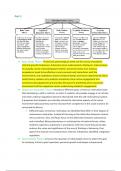
● Basic Needs Theory: Three basic psychological needs are the source of students’
inherent growth tendencies: Autonomy (inner endorsement of behavior: internal locus
of causality, sense of psychological freedom, perceived choice over actions),
competence (need to be effective in one’s pursuits and interactions with the
environment), and relatedness (close emotional bonds and secure attachments). Basic
needs theory explains why students sometimes show active engagement and
sometimes disengagement and provides the basis for predicting which classroom
environment will be supportive versus undermining students’ engagement.
● Organismic Integration Theory: Introduces different types of extrinsic motivation (note
that developing a skill is extrinsic as well). It explains why people engage in an activity
and when external regulations become internalized with the self-motivational system.
It proposes that students are naturally inclined to internalize aspects of the social
environment (because they want to increase their competence in the social world or be
connected to others).
○ Different types of extrinsic motivation are identified that differ in their degree of
autonomous motivation. Instead of focusing on the distinction between intrinsic
versus extrinsic, Deci and Ryan focus on the distinction between autonomous
and controlled. Being autonomous is not being free of external forces; rather,
students experience autonomy in accordance with how much they personally
endorse the value and significance of the way of thinking or behaving. Four
types from least to most autonomous: external, introjected, identified, integrated
regulation.
● Goal Contents Theory: Answers the question of what people strive to attain: the goal
for studying. Intrinsic goal/ aspiration: personal growth and deeper interpersonal
, relationships (these goals afford basic need satisfaction). Extrinsic goal/ aspiration: are
focused on external indicators of worth, such as enhanced status, increased popularity,
material success (neglect basic need satisfaction).
● Cognitive Evaluation Theory: Explains how and why external events (e.g., classroom
conditions) can enhance or undermine intrinsic motivation. Intrinsic motivation involves
doing a behaviour because the activity itself is interesting and spontaneously satisfying
(e.g., “I exercise because it is fun and pleasurable”).
● Causality Orientations Theory: Personality-level individual differences in students’
orientations toward the motivational forces that cause their behavior. Specifically, the
tendency to rely on autonomous/self-determined (autonomy causality orientation)
versus controlling guides (control causality orientation). Causality orientations are
surface individual differences that are relatively malleable and influenced by
socialization experiences.
Facilitating Optimal Motivation and Psychological Well- Being Across Life’s Domains - Deci
and Ryan
● Focus on the difference of autonomous motivation, controlled motivation, and
amotivation.
● Difference between autonomy and interdependence.
● Different forms of extrinsic motivation.
● Some examples of autonomy support.
SDT: Self-Determination Theory highlights different types of motivation (autonomous and
controlled) and their impact on outcomes. SDT posits that people have inherent needs for
competence, autonomy, and relatedness, and when these needs are supported by social
contexts, they foster more positive psychological, developmental, and behavioral outcomes.
Conversely, environments that hinder these needs lead to less optimal motivation and negative
effects on well-being.
Intrinsic and Extrinsic Motivation
● Intrinsic motivation is when an individual engages in an activity due to inherent interest
and enjoyment. Associated with curiosity, exploration, and mastering challenges.
Extrinsic motivation involves engaging in an activity for external reasons, such as
obtaining rewards or avoiding punishment.
● Research argues that the presence of extrinsic rewards often diminishes intrinsic
motivation for an activity. However, non-contingent rewards and positive performance
feedback can enhance intrinsic motivation without being perceived as controlling.
● They argue that when people are intrinsically motivated, they feel a sense of autonomy
as their basic need for autonomy is satisfied. When people are rewarded, threatened,
● Basic Needs Theory: Three basic psychological needs are the source of students’
inherent growth tendencies: Autonomy (inner endorsement of behavior: internal locus
of causality, sense of psychological freedom, perceived choice over actions),
competence (need to be effective in one’s pursuits and interactions with the
environment), and relatedness (close emotional bonds and secure attachments). Basic
needs theory explains why students sometimes show active engagement and
sometimes disengagement and provides the basis for predicting which classroom
environment will be supportive versus undermining students’ engagement.
● Organismic Integration Theory: Introduces different types of extrinsic motivation (note
that developing a skill is extrinsic as well). It explains why people engage in an activity
and when external regulations become internalized with the self-motivational system.
It proposes that students are naturally inclined to internalize aspects of the social
environment (because they want to increase their competence in the social world or be
connected to others).
○ Different types of extrinsic motivation are identified that differ in their degree of
autonomous motivation. Instead of focusing on the distinction between intrinsic
versus extrinsic, Deci and Ryan focus on the distinction between autonomous
and controlled. Being autonomous is not being free of external forces; rather,
students experience autonomy in accordance with how much they personally
endorse the value and significance of the way of thinking or behaving. Four
types from least to most autonomous: external, introjected, identified, integrated
regulation.
● Goal Contents Theory: Answers the question of what people strive to attain: the goal
for studying. Intrinsic goal/ aspiration: personal growth and deeper interpersonal
, relationships (these goals afford basic need satisfaction). Extrinsic goal/ aspiration: are
focused on external indicators of worth, such as enhanced status, increased popularity,
material success (neglect basic need satisfaction).
● Cognitive Evaluation Theory: Explains how and why external events (e.g., classroom
conditions) can enhance or undermine intrinsic motivation. Intrinsic motivation involves
doing a behaviour because the activity itself is interesting and spontaneously satisfying
(e.g., “I exercise because it is fun and pleasurable”).
● Causality Orientations Theory: Personality-level individual differences in students’
orientations toward the motivational forces that cause their behavior. Specifically, the
tendency to rely on autonomous/self-determined (autonomy causality orientation)
versus controlling guides (control causality orientation). Causality orientations are
surface individual differences that are relatively malleable and influenced by
socialization experiences.
Facilitating Optimal Motivation and Psychological Well- Being Across Life’s Domains - Deci
and Ryan
● Focus on the difference of autonomous motivation, controlled motivation, and
amotivation.
● Difference between autonomy and interdependence.
● Different forms of extrinsic motivation.
● Some examples of autonomy support.
SDT: Self-Determination Theory highlights different types of motivation (autonomous and
controlled) and their impact on outcomes. SDT posits that people have inherent needs for
competence, autonomy, and relatedness, and when these needs are supported by social
contexts, they foster more positive psychological, developmental, and behavioral outcomes.
Conversely, environments that hinder these needs lead to less optimal motivation and negative
effects on well-being.
Intrinsic and Extrinsic Motivation
● Intrinsic motivation is when an individual engages in an activity due to inherent interest
and enjoyment. Associated with curiosity, exploration, and mastering challenges.
Extrinsic motivation involves engaging in an activity for external reasons, such as
obtaining rewards or avoiding punishment.
● Research argues that the presence of extrinsic rewards often diminishes intrinsic
motivation for an activity. However, non-contingent rewards and positive performance
feedback can enhance intrinsic motivation without being perceived as controlling.
● They argue that when people are intrinsically motivated, they feel a sense of autonomy
as their basic need for autonomy is satisfied. When people are rewarded, threatened,