,INTRODUCTION 2
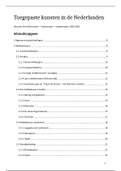
CHAPTER 1: “To Begin the World Over Again” : Foreign Policy and the Birth of the
Republic, 1776-1788 6
CHAPTER 10: “A New Age”: Wilson, the Great War, and the Quest for a New World,
1912-1921 12
CHAPTER 13: “Five Continents and Seven Seas”: WWII and the Rise of American
Globalism, 1941-1945 30
CHAPTER 17: Nixon, Kissinger, and the End of the Postwar Era, 1969-1974 36
CHAPTER 19: “A Unique and Extraordinary Moment” Gorbachev, Reagan, Bush, and the
End of the Cold War, 1981-1991 53
Carolina Sáchica - RRII/North America class
INTRODUCTION
● George Washinton´s dream: “possess the strength of a Giant and there will be none who can
make us afraid” ← connotes America's idea of them being destined for greatness.
● Foreign policy has been central to the national experience from the outset: External
assistance was essential to the birth of an independent United States; concerns about
international commerce and foreign threats decisively influenced the form of government
created in the Constitutional Convention of 1787. Foreign policy molded the political culture of
the new nation. It was instrumental in securing the young republic’s political experiment and the
outcome of the Civil War.
● The idea of the U.S being isolationists IS A MYTH ← used to safeguard the nation´s self image of
innocence.
- Since 1776 the U.S has been an active player in world affairs.
● Americans think of themselves as peace-loving, but few nations have had as much experience
at war as the United States.
● Armed conflict has helped:
- Forge the bonds of nationhood
- nurtured national pride
- fostered myths about the nations virtues and indomitableness
,● Throughout its history, the United States has taken a distinctive approach toward foreign policy
characterized due to the shared belief in their nation's destiny.
● “Destiny”:
● REV = American use of empire referred to → “Empire of Liberty” (according to Jefferson)
1840s= to spread across the continent and even beyond
● WWI= Woodrow Wilson proclaimed for the United States what he believed to be its rightful role
as world leader
● WWII= “American Century” ← United States was referred to as the “indispensable nation”
● Americans have held decidedly mixed views about the international order and their place in it.
- They have been allured by the riches of the world
➔ lust for trade = rebel against mercantilism in 1775
➔ Many early Americans viewed international commerce as essential to their
economic well-being and their political freedom.
➔ adopting ideas from European enlightenment thinkers; some saw free trade as a
means to transform the very nature of international life.
● The pursuit of economic self-interest has ensured a high level of global involvement
- Americans have seen themselves as a people apart
➔ They saw themselves as heralds of a novus ordo seclorum (new world order), in
which enlightened diplomacy based on free trade would create a beneficent
system that would serve the broader interests of mankind rather than the selfish
needs of monarchs and their courts.
➔ They were different from Europeans and Old World ways. For Wilson, the Great
War more than ever exposed the insanity of European power politics, prompting
him to set forth a vision for reforming world politics and economics according to
American principles. Open diplomacy, disarmament, freedom of the seas, free
trade, and self-determination for nationalities, in his view, would promote peace
and prosperity for all peoples.
● The ideal of a providential mission has spurred a drive to do good in the world, manifested in
the work of merchants, missionaries, and educators, often the advance guard of the nation’s
foreign policy. It also undergirded the Wilsonian dream of the United States as world leader and
a world reformed according to its principles. In the twenty-first century, the extension of
freedom has even been declared a basis for U.S. security
, - This sense of a special destiny has also spawned arrogance
Disdain for native peoples and Mexicans fueled America’s rush across the continent,
pushing the Indians steadily westward to the verge of extinction and wresting from
Mexico one-third of its territory
- Attitudes about race have reinforced this sense of cultural superiority
The ideological fervor and messianic streak that have stamped U.S. foreign policy have
been balanced by offsetting tendencies.
- Pragmatism is basic to the American character, and in diplomacy U.S. officials have
often manifested a willingness to compromise to achieve vital goals.
- As Richard Nixon and Henry Kissinger’s amoral “realism” demonstrated, policies can not
survive introduction indefinitely without some foundation in the nation’s most cherished
principles.
- Unilateralism, often mistakenly called isolationism, has also formed a powerful and
enduring strain in U.S. foreign policy. A unilateralist approach seemed natural and
essential to people who saw themselves as morally superior and understandably feared
entanglement in Europe’s wars and contamination from its cancerous politics.
Unilateralism served the United States well during its first century and a half, but it also
bred a certain smug parochialism and a suspicion of international institutions, as well as
indifference and even hostility toward other cultures and peoples.
Political parties originated from the ratification of the Jay Treaty with Britain in 1794.
Since then foreign policy has often been the object of fierce partisan dispute, obstructing
effective diplomacy sometimes.
- J.T: agreement that assuaged antagonisms between the United States and Great Britain,
established a base upon which America could build a sound national economy, and
assured its commercial prosperity.
● U.S foreign policy has normally remained the province of elites.
- By dividing foreign policy powers between the executive and legislative branches of
government, the U.S. Constitution added another level of confusion and conflict. The
executive branch is obviously better suited to conduct foreign policy than a larger,
inherently divided legislature whose members often represent local interests.
Despite claims to moral superiority and disdain for Old World diplomacy, the United
States throughout its history has behaved more like a traditional great power than
Americans have realized or might care to admit.
CHAPTER 1: “To Begin the World Over Again” : Foreign Policy and the Birth of the
Republic, 1776-1788 6
CHAPTER 10: “A New Age”: Wilson, the Great War, and the Quest for a New World,
1912-1921 12
CHAPTER 13: “Five Continents and Seven Seas”: WWII and the Rise of American
Globalism, 1941-1945 30
CHAPTER 17: Nixon, Kissinger, and the End of the Postwar Era, 1969-1974 36
CHAPTER 19: “A Unique and Extraordinary Moment” Gorbachev, Reagan, Bush, and the
End of the Cold War, 1981-1991 53
Carolina Sáchica - RRII/North America class
INTRODUCTION
● George Washinton´s dream: “possess the strength of a Giant and there will be none who can
make us afraid” ← connotes America's idea of them being destined for greatness.
● Foreign policy has been central to the national experience from the outset: External
assistance was essential to the birth of an independent United States; concerns about
international commerce and foreign threats decisively influenced the form of government
created in the Constitutional Convention of 1787. Foreign policy molded the political culture of
the new nation. It was instrumental in securing the young republic’s political experiment and the
outcome of the Civil War.
● The idea of the U.S being isolationists IS A MYTH ← used to safeguard the nation´s self image of
innocence.
- Since 1776 the U.S has been an active player in world affairs.
● Americans think of themselves as peace-loving, but few nations have had as much experience
at war as the United States.
● Armed conflict has helped:
- Forge the bonds of nationhood
- nurtured national pride
- fostered myths about the nations virtues and indomitableness
,● Throughout its history, the United States has taken a distinctive approach toward foreign policy
characterized due to the shared belief in their nation's destiny.
● “Destiny”:
● REV = American use of empire referred to → “Empire of Liberty” (according to Jefferson)
1840s= to spread across the continent and even beyond
● WWI= Woodrow Wilson proclaimed for the United States what he believed to be its rightful role
as world leader
● WWII= “American Century” ← United States was referred to as the “indispensable nation”
● Americans have held decidedly mixed views about the international order and their place in it.
- They have been allured by the riches of the world
➔ lust for trade = rebel against mercantilism in 1775
➔ Many early Americans viewed international commerce as essential to their
economic well-being and their political freedom.
➔ adopting ideas from European enlightenment thinkers; some saw free trade as a
means to transform the very nature of international life.
● The pursuit of economic self-interest has ensured a high level of global involvement
- Americans have seen themselves as a people apart
➔ They saw themselves as heralds of a novus ordo seclorum (new world order), in
which enlightened diplomacy based on free trade would create a beneficent
system that would serve the broader interests of mankind rather than the selfish
needs of monarchs and their courts.
➔ They were different from Europeans and Old World ways. For Wilson, the Great
War more than ever exposed the insanity of European power politics, prompting
him to set forth a vision for reforming world politics and economics according to
American principles. Open diplomacy, disarmament, freedom of the seas, free
trade, and self-determination for nationalities, in his view, would promote peace
and prosperity for all peoples.
● The ideal of a providential mission has spurred a drive to do good in the world, manifested in
the work of merchants, missionaries, and educators, often the advance guard of the nation’s
foreign policy. It also undergirded the Wilsonian dream of the United States as world leader and
a world reformed according to its principles. In the twenty-first century, the extension of
freedom has even been declared a basis for U.S. security
, - This sense of a special destiny has also spawned arrogance
Disdain for native peoples and Mexicans fueled America’s rush across the continent,
pushing the Indians steadily westward to the verge of extinction and wresting from
Mexico one-third of its territory
- Attitudes about race have reinforced this sense of cultural superiority
The ideological fervor and messianic streak that have stamped U.S. foreign policy have
been balanced by offsetting tendencies.
- Pragmatism is basic to the American character, and in diplomacy U.S. officials have
often manifested a willingness to compromise to achieve vital goals.
- As Richard Nixon and Henry Kissinger’s amoral “realism” demonstrated, policies can not
survive introduction indefinitely without some foundation in the nation’s most cherished
principles.
- Unilateralism, often mistakenly called isolationism, has also formed a powerful and
enduring strain in U.S. foreign policy. A unilateralist approach seemed natural and
essential to people who saw themselves as morally superior and understandably feared
entanglement in Europe’s wars and contamination from its cancerous politics.
Unilateralism served the United States well during its first century and a half, but it also
bred a certain smug parochialism and a suspicion of international institutions, as well as
indifference and even hostility toward other cultures and peoples.
Political parties originated from the ratification of the Jay Treaty with Britain in 1794.
Since then foreign policy has often been the object of fierce partisan dispute, obstructing
effective diplomacy sometimes.
- J.T: agreement that assuaged antagonisms between the United States and Great Britain,
established a base upon which America could build a sound national economy, and
assured its commercial prosperity.
● U.S foreign policy has normally remained the province of elites.
- By dividing foreign policy powers between the executive and legislative branches of
government, the U.S. Constitution added another level of confusion and conflict. The
executive branch is obviously better suited to conduct foreign policy than a larger,
inherently divided legislature whose members often represent local interests.
Despite claims to moral superiority and disdain for Old World diplomacy, the United
States throughout its history has behaved more like a traditional great power than
Americans have realized or might care to admit.