Principles of Drug Action
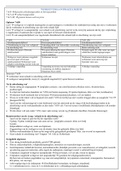
Principles of Drug Action Drug - Chemical agent affecting living processes, derived from 'drogue' referring to dried herbs. Pharmacokinetics - Body's processing of a drug within the system. Pharmacodynamics - Effects of a drug on the body, including physiological effects and mechanisms of action. Toxicology - Study of adverse effects of drugs and environmental substances. Therapeutics - Use of drugs in disease prevention and treatment, requiring understanding of normal and diseased physiological function. Pharmacy - Profession involving drug preparation, storage, dispensing, and appropriate use. Medicinal chemistry - Specialization in drug design and synthesis within organic chemistry. Pharmacognosy - Study of drugs isolated from natural sources. Small molecule - Chemical compound with a molecular weight of 151 Da. Biologics - Proteinaceous drugs, e.g., monoclonal antibodies, with a molecular weight of 149,000 Da. Receptors - Proteins that bind to drugs and initiate cellular signaling. Ion channels - Proteins allowing ions to pass through cell membranes. Enzymes - Proteins catalyzing biochemical reactions. Carrier molecules - Proteins transporting specific substances across cell membranes. Structural proteins - Proteins providing cellular structure a
École, étude et sujet
- Établissement
- Principles of Drug Action
- Cours
- Principles of Drug Action
Infos sur le Document
- Publié le
- 16 février 2024
- Nombre de pages
- 2
- Écrit en
- 2023/2024
- Type
- Examen
- Contient
- Questions et réponses
Sujets
-
principles of drug action