NUR 265 Exam 3
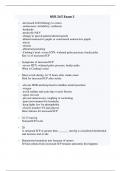
-decreased LOC(lethargy to coma) -restlessness, irritability, confusion -headache -projectile N&V -change in speech pattern/slurred speech -dilated nonreactive pupils or constructed nonreactive pupils -ataxia -seizure -abnormal posturing -Cushing's triad: severe HTN, widened pulse pressure, bradycardia Key sx of increased ICP - Symptoms of increased ICP -severe HTN, widened pulse pressure, bradycardia What is Cushing's triad - Most at risk during 1st 72 hours after stroke onset Risk for increased ICP after stroke - -elevate HOB and keep head in midline neutral position -oxygen -avoid sudden and acute hip or neck flexion -space out care -prevent unnecessary coughing or suctioning -quiet environment for headache -keep lights low for photophobia -closely monitor VS and glucose Interventions for increased ICP - 10-15 mm hg Normal ICP levels - 20 A sustained ICP or greater than _______ mm hg is considered detrimental and neurons start to die - Brainstorm herniation into foramen of monro If brain edema from increased ICP remains untreated, this happens- Hydrocephalus Increased CSF in brain caused by obstruction of the normal CSF pathway from edema, an expanding lesion such as a hematoma, or blood in the subarachnoid space, leading to increased ICP - Primary- occurs at time of injury and results from the force within the tissue caused by a blunt or penetrating force Secondary- any processes that occur after initial injury and worsen or negatively influence pt outcome Primary vs secondary brain damage - Focal- confined to specific area of brain and causes localized damage, detected by CT or MRI Diffuse-characterized by damage throughout many areas of brain, not initially detected by CT bc this type is microscopic damage, MRI may detect Primary brain injury can be a focal or diffuse injury. - Hypotension and hypoxia, intracranial HTN, and cerebral edema Most common causes of secondary brain injury - epidural hematoma a collection of blood in the space between the skull and dura mater resulting from arterial bleed - subdural hematoma Can be acute, subacute, or chronic collection of blood under the dura and above arachnoid mater resulting from venous bleed, bleed is slower than an epidural hematoma - Presents within 48 hr after impact Acute subdural hematoma - Occurs between 48 hr and 2 weeks after impact Subacute subdural hematoma - Occurs after 2 weeks to several months after impact. Has highest mortality rate bc it goes unnoticed. Chronic subdural hematoma - Intracerebral hemorrhageThe accumulation of blood within brain tissue caused by tearing of small arteries and veins in the subcritical white matter - Mild Traumatic Brain Injury (MTBI) What level of brain injury is Characterized by blow to the head, transient confusion or feeling dazed and disoriented, and one or more of these conditions: loss of consciousness for up to 30 min, loss of memory for events immediately before of after accident, and/or focal neurological deficits that may or may not be transient, no evidence of brain damage on CT - moderate traumatic brain injury What level of brain injury is Characterized by a period of loss of consciousness for 30 min to 6 hr and a GCS of 9-12. Often(not always) focal or diffuse injury seen on CT. Post trauma amnesia may last up to 24 hours - Severe traumatic brain injury What level of brain injury is characterized by a GCS score of 3-8, and a loss of consciousness longer than 6 hr. Focal and diffuse damage to brain, brain vessels, and brain ventricles are common - 9-12 GCS score for moderate traumatic brain injury - 3-8 GCS score for severe traumatic brain injury - Appears dazed or stunned. Loss of consciousness 30 min. Headache. N&V. Gait problems. Visual problems. Dizzy. Photophobia. Sensitive to noise. Fatigue. Mentally foggy and slowed down. Difficulty concentrating and remembering. Drowsy. Either sleeping more or less than usual. Emotional changes such as irritability, sadness, nervousness, depression, or more emotional. Sx can last days weeks or months(post-concussion syndrome) but usually resolve within 72 hours Sx of mild traumatic brain injury - ABCs. Because TBI is occasionally associated with cervical spinal cord injuries, all patients should be treated as if they have fun until proven otherwise. Indicators of spinal injury: head tilt, sensory perception and mobility loss, tenderness along spine, Cheyne stokes. Monitor capnography.High CO2 can cause cerebral vasodilation and ICP. Low CO2 can cause vasoconstriction and ischemia. Document any dysrhythmias, hypotension, or hypertension. Temp may occur. Therapeutic hypothermia may be started regardless of presence of fever. Assessing a TBI pt - brain stem dysfunction at level of pons Pinpoint and non responsive pupils are indicative of - occipital lobe Loss of vision is damage to - papilledema swelling and increased blood flow of the optic disc; always a sign of increased ICP - Left side Injury to right brain causes sx of - Therapeutic hypothermia therapy started after Trumatic brain injury where we rapidly cool the patient to a core temperature of 89.6 and 93.2 for 1-2 days after primary injury. This reduces brain metabolism and prevents secondary brain injury. - Record vital signs every 1 to 2 hours or more often. IV fluids. Document and report presence of cardiac dysrhythmias, hypertension, and hypotension. Watch for hyperthermia. Watch ABGs. Lidocaine IV for cough suppressant so ICP isn't increased. Interventions for preventing and detecting secondary brain injury related to TBI
École, étude et sujet
- Établissement
- Galen College Of Nursing
- Cours
- NUR265 (NUR265)
Infos sur le Document
- Publié le
- 6 décembre 2023
- Nombre de pages
- 38
- Écrit en
- 2023/2024
- Type
- Examen
- Contient
- Questions et réponses
Sujets
-
nur 265 exam 3
-
nur 265

Document également disponible en groupe