PPG Notes 1
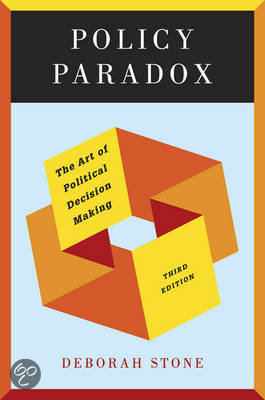
The market and the Polis
Why the “polis”? Because it conjures up an entity small enough to have
elementary forms of organizations yet large enough to embody the essential
elements of politics.
A market can be defined as a social system in which individuals pursue their own
welfare by exchanging things with others whenever trades are mutually
beneficial.
In the market model:
Individuals only act to maximize their own self-interest (own welfare)
There is a competitive drive to maximize one own’s welfare, which in turn,
stimulates people to be resourceful, and creative → the economic well-being of
the society as a whole is raised.
Public interest is the net result of all individuals pursuing their own interests.
Most actions do not have social consequences.
There is no cooperation among either buyers or sellers and is considered a
deviation.
Sellers compete with each other to obtain raw materials at the lowest prices and
to sell their products at the highest profit.
The information is perfect.
Economic resources are governed by the laws of matter: resources are finite,
scarce and used up when they are used.
Change is driven by exchange.
In the polis model:
The model of the polis assumes collective will and collective effort.
A clear distinction between a political community (people who live under the
same political rules and structure of governance) and a cultural one (people who
share a culture and draw their identities from a shared language, history and
traditions).
PPG Notes 1 1
, A political community includes various cultural communities.
Mutual aid might be the strongest bond that holds individuals together as a
community.
People have both self-interest and altruistic motivations → policy analysts must
account for both of them.
Public interest might mean individual interests held in common, things everyone
wants for themselves or individuals’ goals for their community. It also might mean
goals on which there is a consensus or things that are good for a community as
a community.
Citizens have two sides: a private, rather self-interested one, and a more public-
spirited side.
Commons problems- situations where self-interest and public interest work
against each other.
They are also called collective action problems because it is hard to motivate
people to undertake private costs or forgo private interests for the collective
good.
The most significant policy problems are commons problems.
The government can cause commons problems if two public interests collide.
Influence is pervasive: the bandwagon effect
The line between influence and coercion is fuzzy.
Coercion is an idea about what motivates behaviour, a label and an
interpretation.
Cooperation is vital because politics involves seeking allies and cooperating with
them in order to compete with opponents.
Cooperation is often a more effective form of subordination than coercion.
Groups are the building blocks of the polis:
1. They offer a sense of belonging
2. Groups are also policy actors (policymaking is also about how groups are
formed, split and re-formed to achieve public purposes).
3. They are decision-makers (public decisions are collective).
PPG Notes 1 2
, Information is ambiguous, incomplete, often strategically shaded and sometimes
deliberately withheld.
Interpretations are more powerful than facts
Political actors strive to control interpretations.
Laws of matter operate amongst the laws of passion:
1. Political resources are often enlarged or enhanced through use, rather than
diminished → the more often an order is issued and obeyed, the stronger the
presumption of compliance.
2. The whole is greater than the sum of its parts.
3. Things can mean and therefore be more than one thing at once.
Power operates through influence, cooperation, loyalty and strategic control of
information. It is a resource that obeys the laws of passion.
Change occurs through the interaction of mutually defining ideas and alliances.
Ideas and portrayals- key forms of power in the policy-making process.
People fight over ideas as well as about them.
Views on Policy-making:
Positivist take:
Focus on facts and proof
Bounded rationality
Behaving according to interest
Institutional constraints (look back on previous policies)
Importance of resources
Technocratic aspects prevail
Rely on scientific expertise
Interested in causality (who is responsible for what?)
Constructivist take:
There is not one truth, fact or proof (the need for consensus).
PPG Notes 1 3
, All aspects of policy are up for debate (everything is political).
Information is never complete
Strategy: the manipulation of information
In communities, there is self-interest and altruism which co-exist.
Interpretation is more powerful than facts.
Birkland: Introducing the Policy Process
Harold Lasswell defines politics as “who gets what, when and how”.
The three essential aspects of politics:
1. Competition to gain certain resources, sometimes at others’ expense
2. The need to cooperate to make decisions
3. The nature of the political power.
Birkland’s key attributes of public policy:
Policy is made in response to some sort of problem that requires attention.
Policy is made on the “public’s behalf”.
Policy is oriented toward a goal or desired state, such as the solution of a
problem.
Policy is ultimately made by governments, even if the ideas come from outside
government or through the interaction of government and non-governmental
actors.
Policy is interpreted and implemented by public and private actors who have
different interpretations of problems, solutions, and their own motivations.
Policy is what the government chooses to do or not to do.
It is a statement by government of what it intends to do about a problem.
Anne Schneider and Helen Ingram explain that policies can be revealed through
texts, practices, symbols and discourses.
Administrative law
Administration is no longer a purely national affair but rather a joint venture of
European, national, and regional authorities → multilayer governance.
PPG Notes 1 4
The market and the Polis
Why the “polis”? Because it conjures up an entity small enough to have
elementary forms of organizations yet large enough to embody the essential
elements of politics.
A market can be defined as a social system in which individuals pursue their own
welfare by exchanging things with others whenever trades are mutually
beneficial.
In the market model:
Individuals only act to maximize their own self-interest (own welfare)
There is a competitive drive to maximize one own’s welfare, which in turn,
stimulates people to be resourceful, and creative → the economic well-being of
the society as a whole is raised.
Public interest is the net result of all individuals pursuing their own interests.
Most actions do not have social consequences.
There is no cooperation among either buyers or sellers and is considered a
deviation.
Sellers compete with each other to obtain raw materials at the lowest prices and
to sell their products at the highest profit.
The information is perfect.
Economic resources are governed by the laws of matter: resources are finite,
scarce and used up when they are used.
Change is driven by exchange.
In the polis model:
The model of the polis assumes collective will and collective effort.
A clear distinction between a political community (people who live under the
same political rules and structure of governance) and a cultural one (people who
share a culture and draw their identities from a shared language, history and
traditions).
PPG Notes 1 1
, A political community includes various cultural communities.
Mutual aid might be the strongest bond that holds individuals together as a
community.
People have both self-interest and altruistic motivations → policy analysts must
account for both of them.
Public interest might mean individual interests held in common, things everyone
wants for themselves or individuals’ goals for their community. It also might mean
goals on which there is a consensus or things that are good for a community as
a community.
Citizens have two sides: a private, rather self-interested one, and a more public-
spirited side.
Commons problems- situations where self-interest and public interest work
against each other.
They are also called collective action problems because it is hard to motivate
people to undertake private costs or forgo private interests for the collective
good.
The most significant policy problems are commons problems.
The government can cause commons problems if two public interests collide.
Influence is pervasive: the bandwagon effect
The line between influence and coercion is fuzzy.
Coercion is an idea about what motivates behaviour, a label and an
interpretation.
Cooperation is vital because politics involves seeking allies and cooperating with
them in order to compete with opponents.
Cooperation is often a more effective form of subordination than coercion.
Groups are the building blocks of the polis:
1. They offer a sense of belonging
2. Groups are also policy actors (policymaking is also about how groups are
formed, split and re-formed to achieve public purposes).
3. They are decision-makers (public decisions are collective).
PPG Notes 1 2
, Information is ambiguous, incomplete, often strategically shaded and sometimes
deliberately withheld.
Interpretations are more powerful than facts
Political actors strive to control interpretations.
Laws of matter operate amongst the laws of passion:
1. Political resources are often enlarged or enhanced through use, rather than
diminished → the more often an order is issued and obeyed, the stronger the
presumption of compliance.
2. The whole is greater than the sum of its parts.
3. Things can mean and therefore be more than one thing at once.
Power operates through influence, cooperation, loyalty and strategic control of
information. It is a resource that obeys the laws of passion.
Change occurs through the interaction of mutually defining ideas and alliances.
Ideas and portrayals- key forms of power in the policy-making process.
People fight over ideas as well as about them.
Views on Policy-making:
Positivist take:
Focus on facts and proof
Bounded rationality
Behaving according to interest
Institutional constraints (look back on previous policies)
Importance of resources
Technocratic aspects prevail
Rely on scientific expertise
Interested in causality (who is responsible for what?)
Constructivist take:
There is not one truth, fact or proof (the need for consensus).
PPG Notes 1 3
, All aspects of policy are up for debate (everything is political).
Information is never complete
Strategy: the manipulation of information
In communities, there is self-interest and altruism which co-exist.
Interpretation is more powerful than facts.
Birkland: Introducing the Policy Process
Harold Lasswell defines politics as “who gets what, when and how”.
The three essential aspects of politics:
1. Competition to gain certain resources, sometimes at others’ expense
2. The need to cooperate to make decisions
3. The nature of the political power.
Birkland’s key attributes of public policy:
Policy is made in response to some sort of problem that requires attention.
Policy is made on the “public’s behalf”.
Policy is oriented toward a goal or desired state, such as the solution of a
problem.
Policy is ultimately made by governments, even if the ideas come from outside
government or through the interaction of government and non-governmental
actors.
Policy is interpreted and implemented by public and private actors who have
different interpretations of problems, solutions, and their own motivations.
Policy is what the government chooses to do or not to do.
It is a statement by government of what it intends to do about a problem.
Anne Schneider and Helen Ingram explain that policies can be revealed through
texts, practices, symbols and discourses.
Administrative law
Administration is no longer a purely national affair but rather a joint venture of
European, national, and regional authorities → multilayer governance.
PPG Notes 1 4