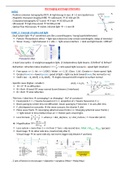
Infectious diseases and vaccine
development
Inhoud
Introduction to infectious diseases.........................................................................................................2
Basic Immunology..................................................................................................................................8
History of vaccination and vaccine development.................................................................................16
Video lecture: “Vaccination” with a focus on vaccine development....................................................23
Determinants of vaccination decisions: (COVID-19) vaccination hesitancy explained..........................29
Diagnostics of infectious diseases........................................................................................................34
The National Immunization Programme of the Netherlands (Rijksvaccinatieprogramma)..................38
Outbreak management........................................................................................................................46
Vaccination of travellers and special groups (& various tropical diseases)...........................................52
Monitoring of side effects....................................................................................................................54
(COVID-19) vaccination of risk groups..................................................................................................60
,Introduction to infectious diseases
Exposure = the risk of, or actual contact with a microbe (the likelihood of host-microbe contact)
Infection = the invasion and multiplication of microorganisms such as bacteria, viruses and parasites
that are not normally present within the body and the reaction of host tissues to the infectious agent
Colonisation = condition where a microbe that is not causing disease is isolated from a non-sterile
site
Commensalism = non-pathogenic microorganism, They are not eliminated by the host response; they
are part of the normal flora and are required for normal homeostasis of mucosal and epithelial
surfaces
Latency = microbe remains present in a host for an undetermined period and can lead to host
damage (reaction) that is apparent microbiologically, histopathologically, radiographically, or
serologically without being associated with clinical disease = state of which a microbe persist in the
body without causing continuous symptoms, only reactivating once in a while
Disease = an outcome of infection where host damage occurs as a result of host-microbe interaction
and is sufficient to cause tissue destruction (lesion)
Infection and disease is not the same
Carriers = a person who harbours the microorganism and is able to transmit it (during a long period
of time)
Types of infection
- Acute infection will be cleared
- Chronic infection = microorganism will persist in the body and persistently cause tissue
damage
- Latent infection = microorganism persists but only reactivates when immunity of the
individual is low – so can go from non-productive to productive
,Epidemiological triad
1. Host: human who might be infected due to risk factors for exposure, being
susceptive, not having immunity for a particular microorganism
2. Agent micro-organisms and their characteristics
3. Environment environmental factors, crowding, sanitation, vectors, access to health
services, ventilation
Host related factors:
1. Susceptibility factors
- Age
- Non-intact host defenses
- Immune status
2. Risk factors for exposure:
- contact patterns,
- behaviours,
- hygiene,
- age
- sex
3. Factors associated with response:
- genetic factors,
- nutritional and immunologic status,
- anatomic structure,
- presence of co-morbidities,
- medications.
Microorganisms : good, bad, ugly
- Good = commensal microflora
o Protect us from being invaded by pathogens
o Role in digestion, vitamins uptake
o But can also be bad
Opportunistic
Auto-immune diseases
- Bad = pathogenic micro organisms
o Have mechanism to overcome our immune response
o can be self-limiting (well-functioning immune system) or require treatment
- Ugly = pathogenic causing severe diseases
o Cause disease in previously healthy
o Severe course, high case-fatality rate
Ebola, Marburg, rabies, tetanus
, Transmission
From source to new host
Goal is to find the sources and eliminate/eradicate these (eradication is on worldwide level,
elimination is from a certain region)
We want to disrupt the transmission route and protect individuals of getting infected
Eradication of small pox
factors that contributed to eradication:
- Very visible symptoms, so easy to find
- Good vaccination lifelong immunity
- Infection leads to lifelong immunity
- No animal reservoir, the virus can only infect human
Measles also on the list for eradication
- Infection and vaccination lead to lifelong immunity
- No animal reservoir
- Why can’t we eradicate? -> low vaccination coverage in some parts of the world
Transmission modes
- Direct
o Touching
o Inhaling (droplet)
o Sexual contact
o Blood borne
o Mother-to-child
- Indirect
o Contaminated water
o Contaminated surfaces
o Airborne
o Vectors
development
Inhoud
Introduction to infectious diseases.........................................................................................................2
Basic Immunology..................................................................................................................................8
History of vaccination and vaccine development.................................................................................16
Video lecture: “Vaccination” with a focus on vaccine development....................................................23
Determinants of vaccination decisions: (COVID-19) vaccination hesitancy explained..........................29
Diagnostics of infectious diseases........................................................................................................34
The National Immunization Programme of the Netherlands (Rijksvaccinatieprogramma)..................38
Outbreak management........................................................................................................................46
Vaccination of travellers and special groups (& various tropical diseases)...........................................52
Monitoring of side effects....................................................................................................................54
(COVID-19) vaccination of risk groups..................................................................................................60
,Introduction to infectious diseases
Exposure = the risk of, or actual contact with a microbe (the likelihood of host-microbe contact)
Infection = the invasion and multiplication of microorganisms such as bacteria, viruses and parasites
that are not normally present within the body and the reaction of host tissues to the infectious agent
Colonisation = condition where a microbe that is not causing disease is isolated from a non-sterile
site
Commensalism = non-pathogenic microorganism, They are not eliminated by the host response; they
are part of the normal flora and are required for normal homeostasis of mucosal and epithelial
surfaces
Latency = microbe remains present in a host for an undetermined period and can lead to host
damage (reaction) that is apparent microbiologically, histopathologically, radiographically, or
serologically without being associated with clinical disease = state of which a microbe persist in the
body without causing continuous symptoms, only reactivating once in a while
Disease = an outcome of infection where host damage occurs as a result of host-microbe interaction
and is sufficient to cause tissue destruction (lesion)
Infection and disease is not the same
Carriers = a person who harbours the microorganism and is able to transmit it (during a long period
of time)
Types of infection
- Acute infection will be cleared
- Chronic infection = microorganism will persist in the body and persistently cause tissue
damage
- Latent infection = microorganism persists but only reactivates when immunity of the
individual is low – so can go from non-productive to productive
,Epidemiological triad
1. Host: human who might be infected due to risk factors for exposure, being
susceptive, not having immunity for a particular microorganism
2. Agent micro-organisms and their characteristics
3. Environment environmental factors, crowding, sanitation, vectors, access to health
services, ventilation
Host related factors:
1. Susceptibility factors
- Age
- Non-intact host defenses
- Immune status
2. Risk factors for exposure:
- contact patterns,
- behaviours,
- hygiene,
- age
- sex
3. Factors associated with response:
- genetic factors,
- nutritional and immunologic status,
- anatomic structure,
- presence of co-morbidities,
- medications.
Microorganisms : good, bad, ugly
- Good = commensal microflora
o Protect us from being invaded by pathogens
o Role in digestion, vitamins uptake
o But can also be bad
Opportunistic
Auto-immune diseases
- Bad = pathogenic micro organisms
o Have mechanism to overcome our immune response
o can be self-limiting (well-functioning immune system) or require treatment
- Ugly = pathogenic causing severe diseases
o Cause disease in previously healthy
o Severe course, high case-fatality rate
Ebola, Marburg, rabies, tetanus
, Transmission
From source to new host
Goal is to find the sources and eliminate/eradicate these (eradication is on worldwide level,
elimination is from a certain region)
We want to disrupt the transmission route and protect individuals of getting infected
Eradication of small pox
factors that contributed to eradication:
- Very visible symptoms, so easy to find
- Good vaccination lifelong immunity
- Infection leads to lifelong immunity
- No animal reservoir, the virus can only infect human
Measles also on the list for eradication
- Infection and vaccination lead to lifelong immunity
- No animal reservoir
- Why can’t we eradicate? -> low vaccination coverage in some parts of the world
Transmission modes
- Direct
o Touching
o Inhaling (droplet)
o Sexual contact
o Blood borne
o Mother-to-child
- Indirect
o Contaminated water
o Contaminated surfaces
o Airborne
o Vectors